 Families Planet
Budget Family Travel: How to Explore the World Without Overspending
· 3 min read
A quick note before you read: this isn't theory for us. We're a travelling family (Italy, Spain, Thailand, Morocco, Indonesia, now based in Mallorca), and we built Families Planet because we kept wishing we could find other families on the road. Below is what we'd tell a friend, kept practical. Where something depends on your country or your kids, we say so.
Traveling with children can become expensive quickly. There are transportation costs, accommodation, food, activities, insurance, and the little expenses that appear along the way. But exploring the world as a family doesn't always require luxury hotels or a packed schedule of paid activities. With thoughtful planning, budget family travel can focus on the experiences that matter most while keeping everyday costs under control.
1. Decide What Matters Most
Before looking for savings, decide what you actually want from your trip. Perhaps your children love nature, museums, beaches, or cultural experiences. Identifying priorities helps you avoid spending money on things that do not add much to your experience. Budget travel is not about choosing the cheapest option every time; it is about spending where it matters most.
2. Compare Travel Dates

Prices can change depending on the destination, season, events, and demand. If your schedule allows flexibility, compare different dates. Shoulder seasons can sometimes offer lower prices and fewer crowds, but check weather, opening hours, and transportation schedules too.
3. Stay Longer in Fewer Places

Moving frequently can increase costs through transport, luggage fees, and repeated accommodation changes. Staying longer may reduce the number of journeys and sometimes unlock weekly or monthly rates. Check the full price, including cleaning, utilities, deposits, and cancellation terms.
4. Compare Total Accommodation Costs
A low nightly rate may not be the best value. Consider fees, transport, parking, and location. An apartment with a kitchen may help you prepare some meals, while a place near public transport may reduce local travel costs.
5. Plan Meals Without Missing Local Food

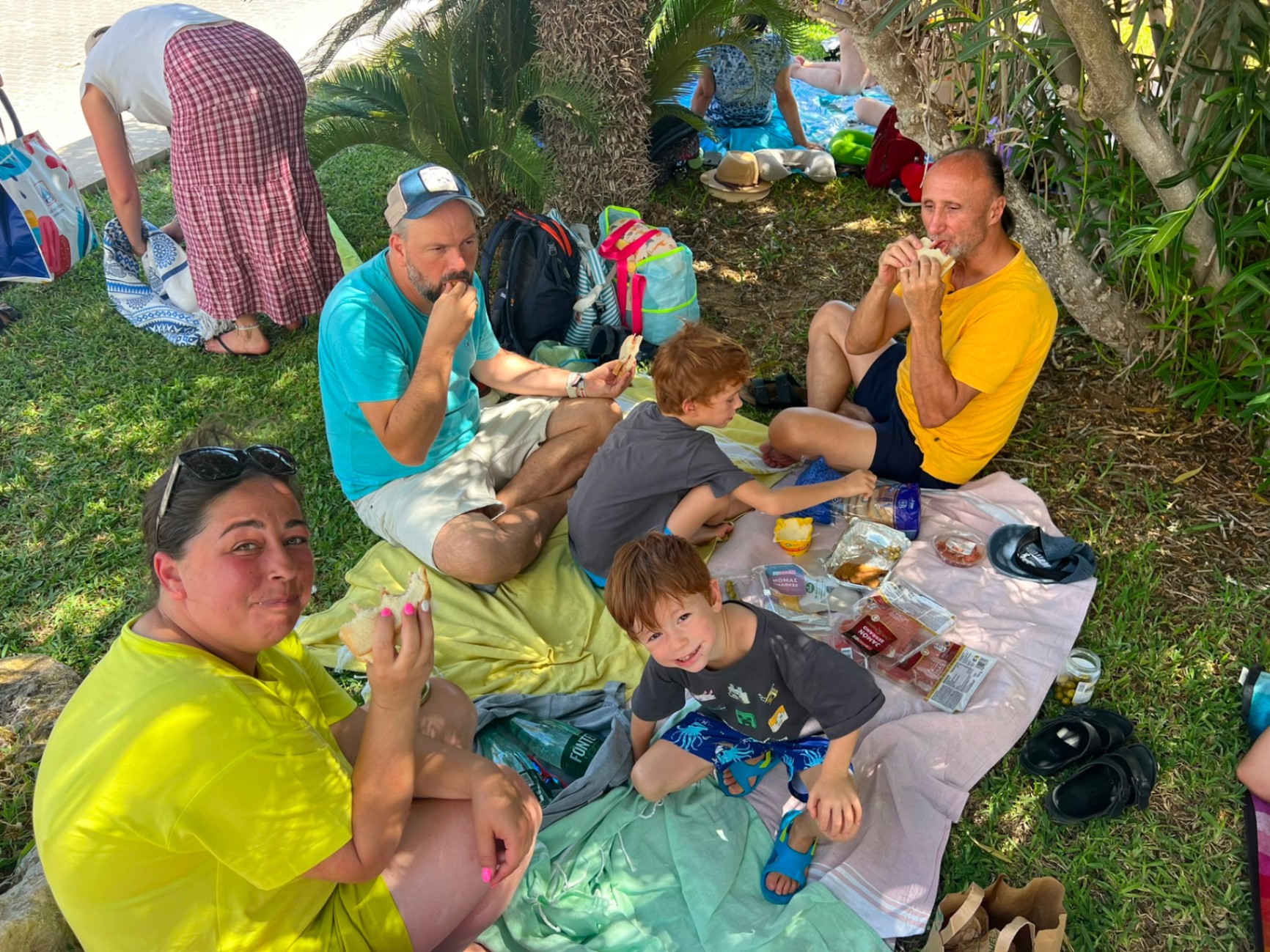
Combine simple meals at your accommodation with visits to local restaurants and markets. Markets can help you discover regional ingredients while managing food costs. Children can learn about local food cultures by helping choose ingredients for a family meal.
6. Look for Free and Low-Cost Activities

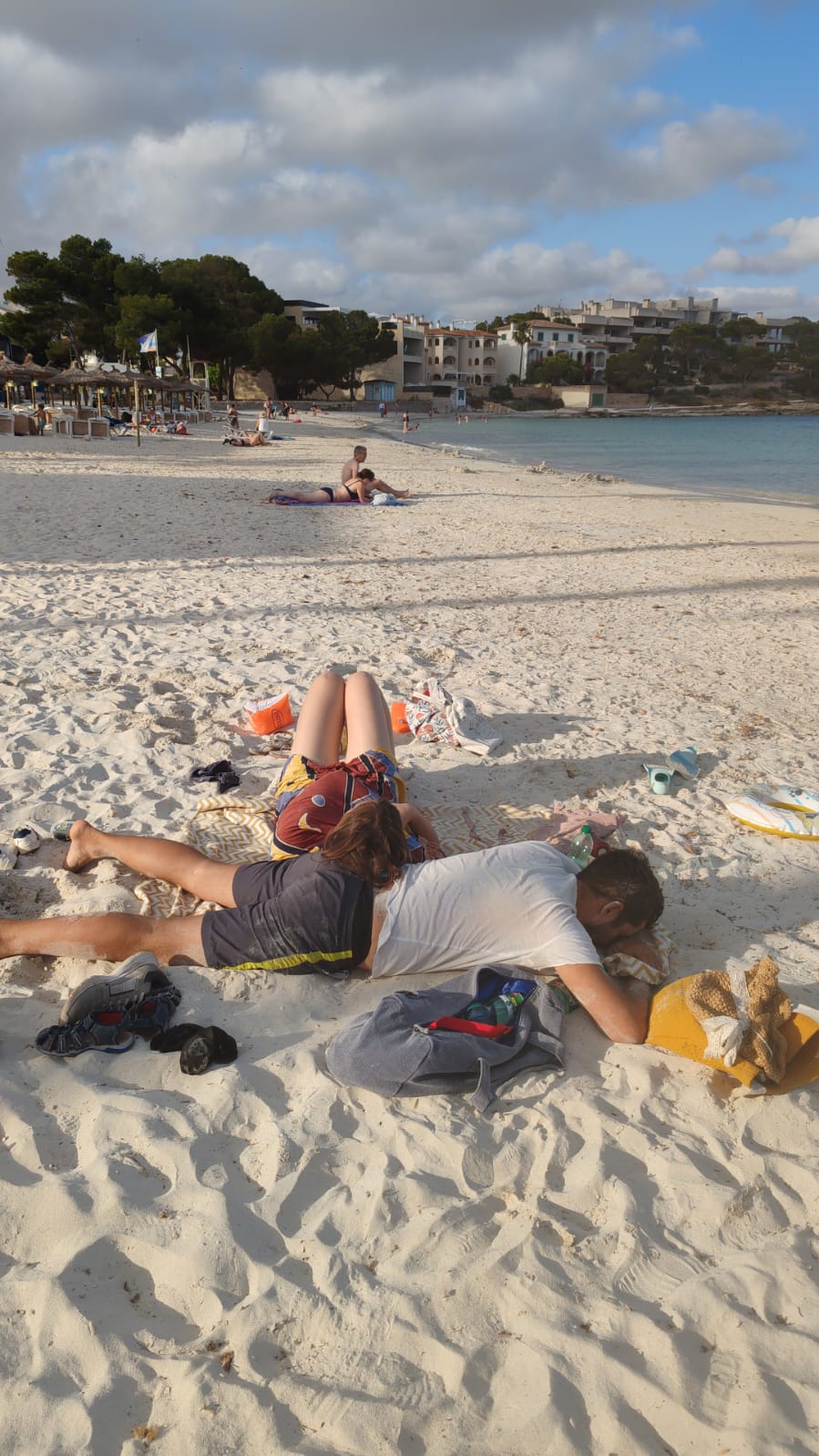
Beaches, parks, hiking trails, public gardens, nature reserves, and community events can provide memorable experiences at low cost. Some museums offer free-entry days or reduced admission for children. Check local access rules, opening times, and safety guidance.
7. Be Strategic About Transportation
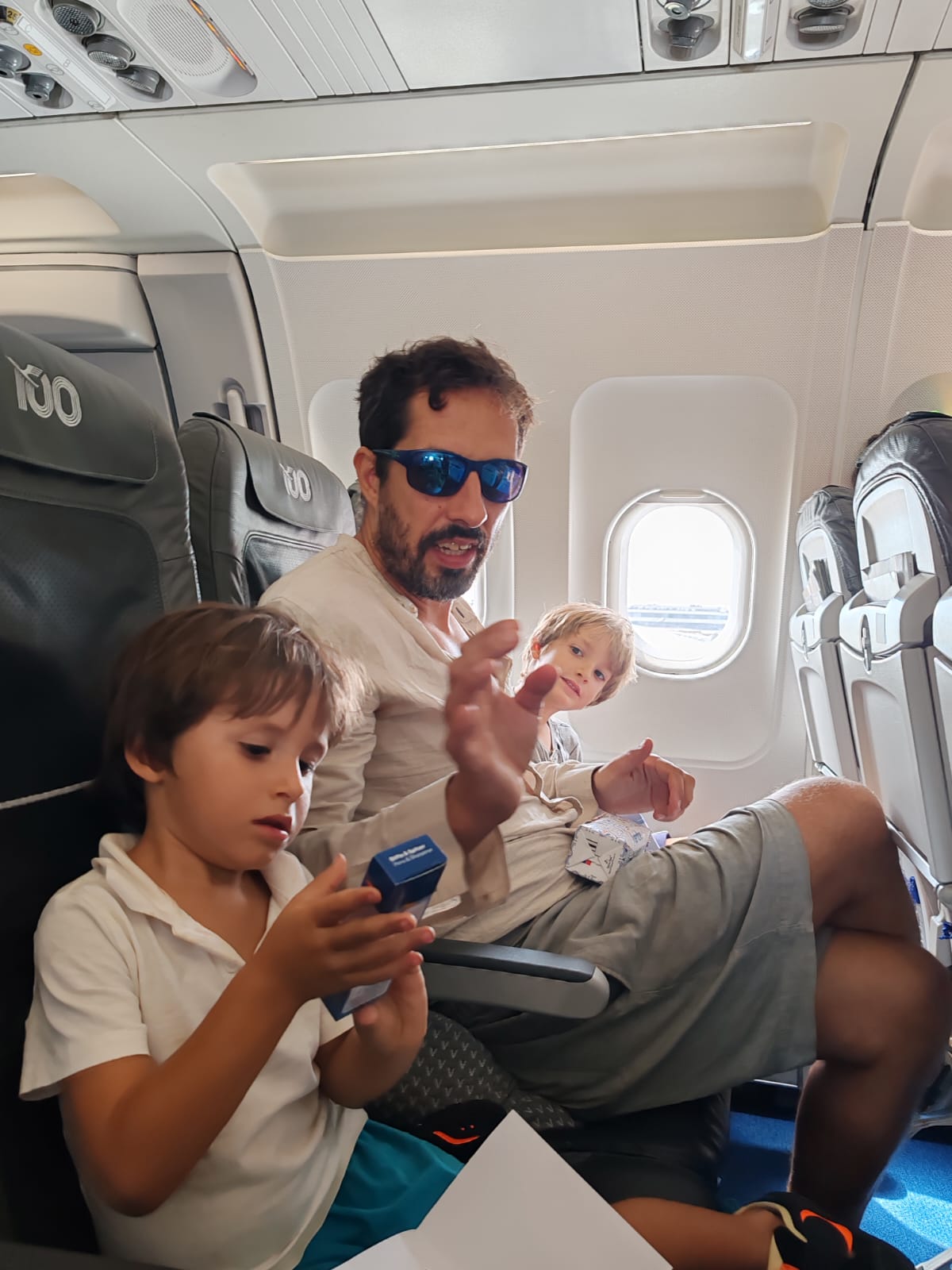
Compare tickets, luggage, transfers, parking, and travel to and from airports or stations. Public transportation may be economical in some places, while a car may be practical elsewhere. Reducing unnecessary stops can save time and money.
8. Create a Flexible Budget

Estimate food, transport, activities, insurance, communication, and unexpected expenses. Track spending so you can adjust early if one category becomes more expensive than expected. Keep an emergency reserve for changes or urgent needs.
9. Research Family Discounts

Family tickets, transport passes, attraction bundles, or museum memberships may save money, but only if you use enough of the included services. Compare the final cost with buying tickets individually.
10. Discover Activities Through Local Communities

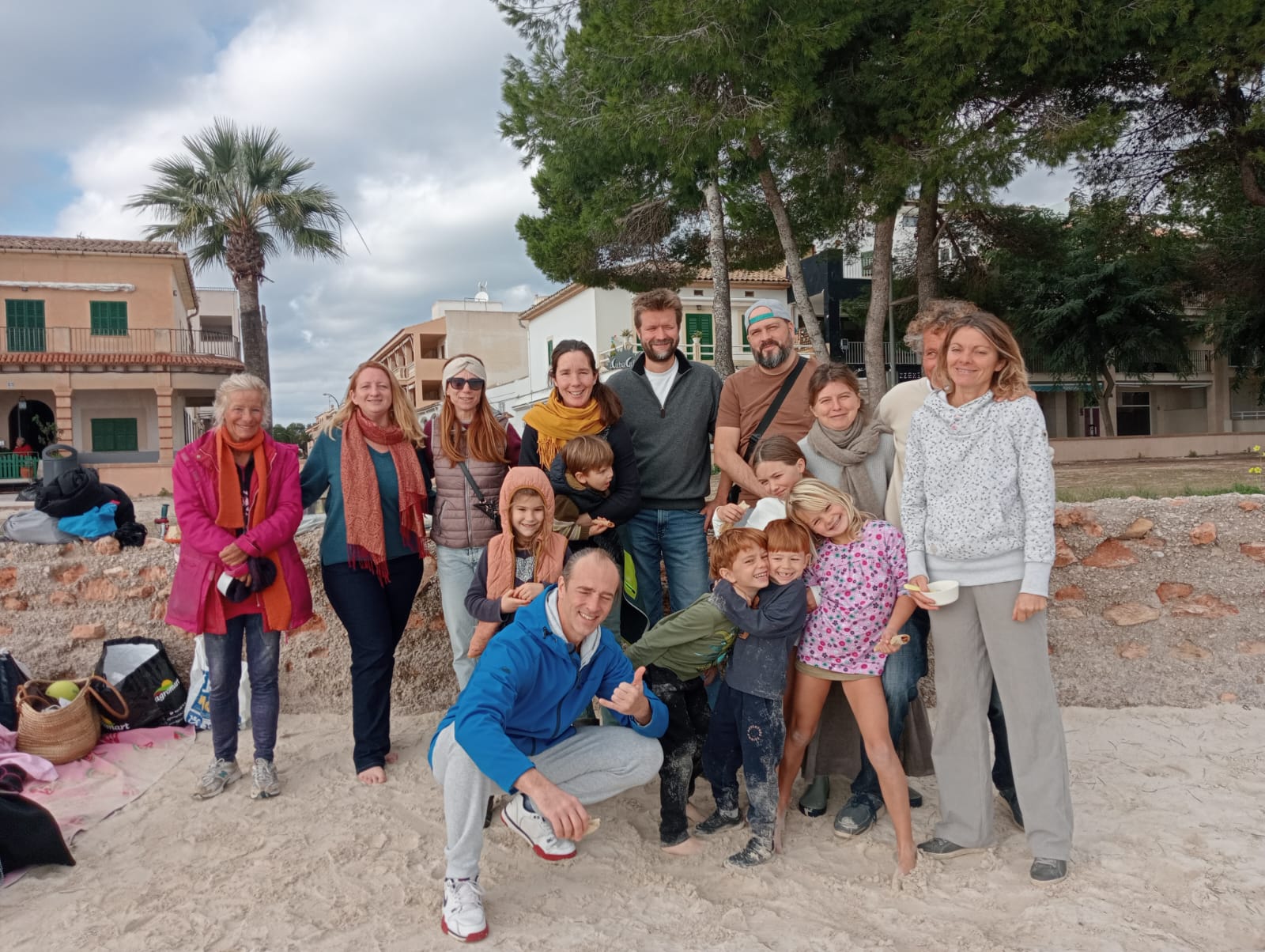
Other families may know about playgrounds, public beaches, free events, and activities suitable for children. Families Planet is designed to help families explore places and discover potential connections with other families while traveling.
11. Avoid Overplanning Paid Activities
You do not need an attraction booked for every day. Leave room for rest, play, and spontaneous discoveries. A packed itinerary can increase costs without necessarily making a trip more enjoyable.
12. Focus on Experiences Rather Than Spending

Some memorable moments happen during ordinary experiences: watching a sunset, exploring a market, discovering a hiking trail, or playing with children you meet along the way. These moments can be valuable without requiring a large budget.
Can You Travel as a Family on a Limited Budget?
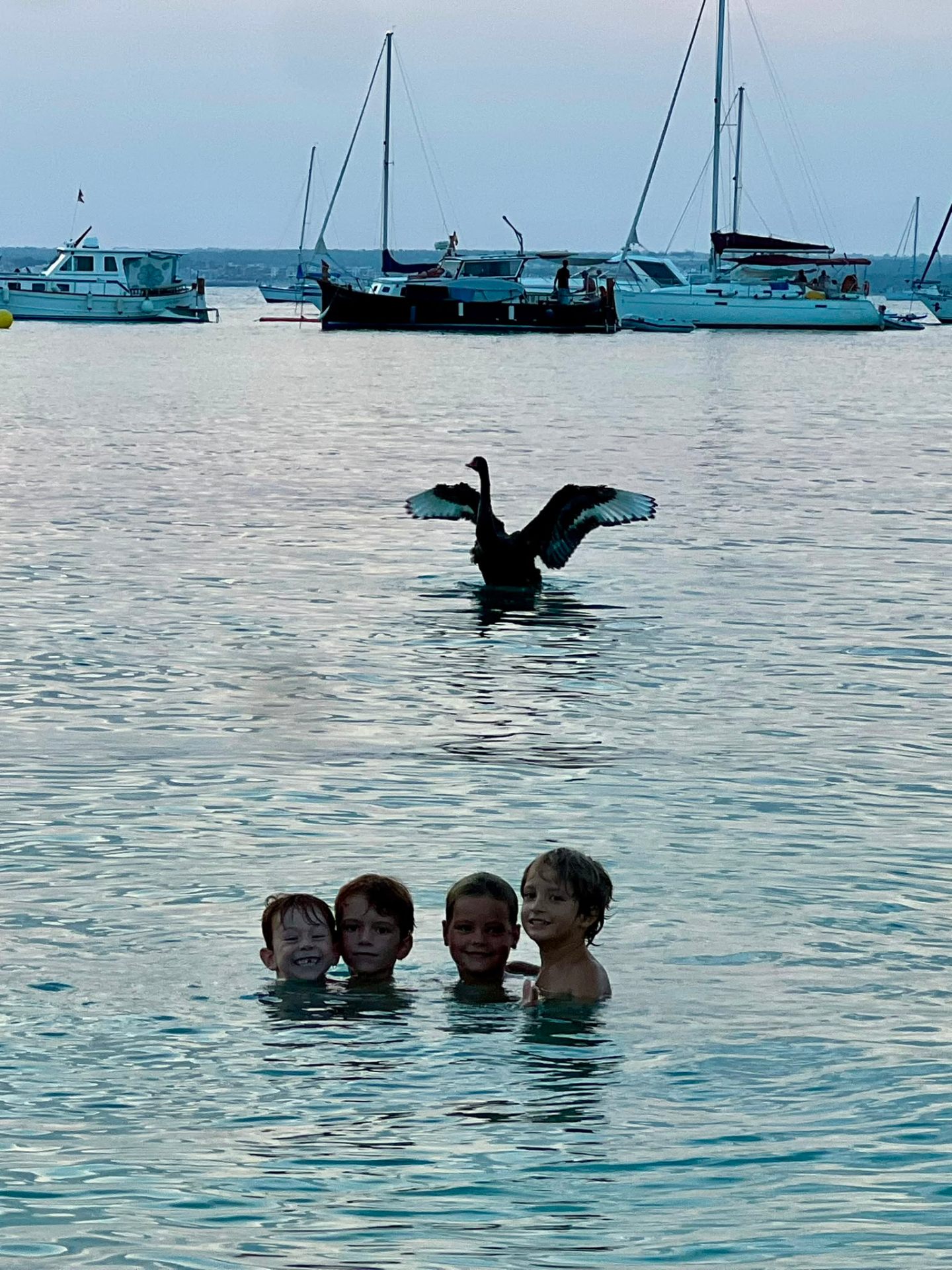
Many families find ways to explore new places while managing spending. Choose realistic destinations, compare total costs, and decide where you are comfortable spending more. A meaningful family adventure does not have to be expensive. Planning your next affordable family adventure? Discover places and potential family connections with Families Planet.