 Families Planet
How to Build Community While Traveling Abroad With Kids
· 3 min read
Written by a family that actually lives this. We've moved around Europe and Asia with our kids, love a long board-game evening (ask us about Catan), and run Families Planet from Mallorca. Below is what we'd tell a friend, kept practical. Where something depends on your country or your kids, we say so.
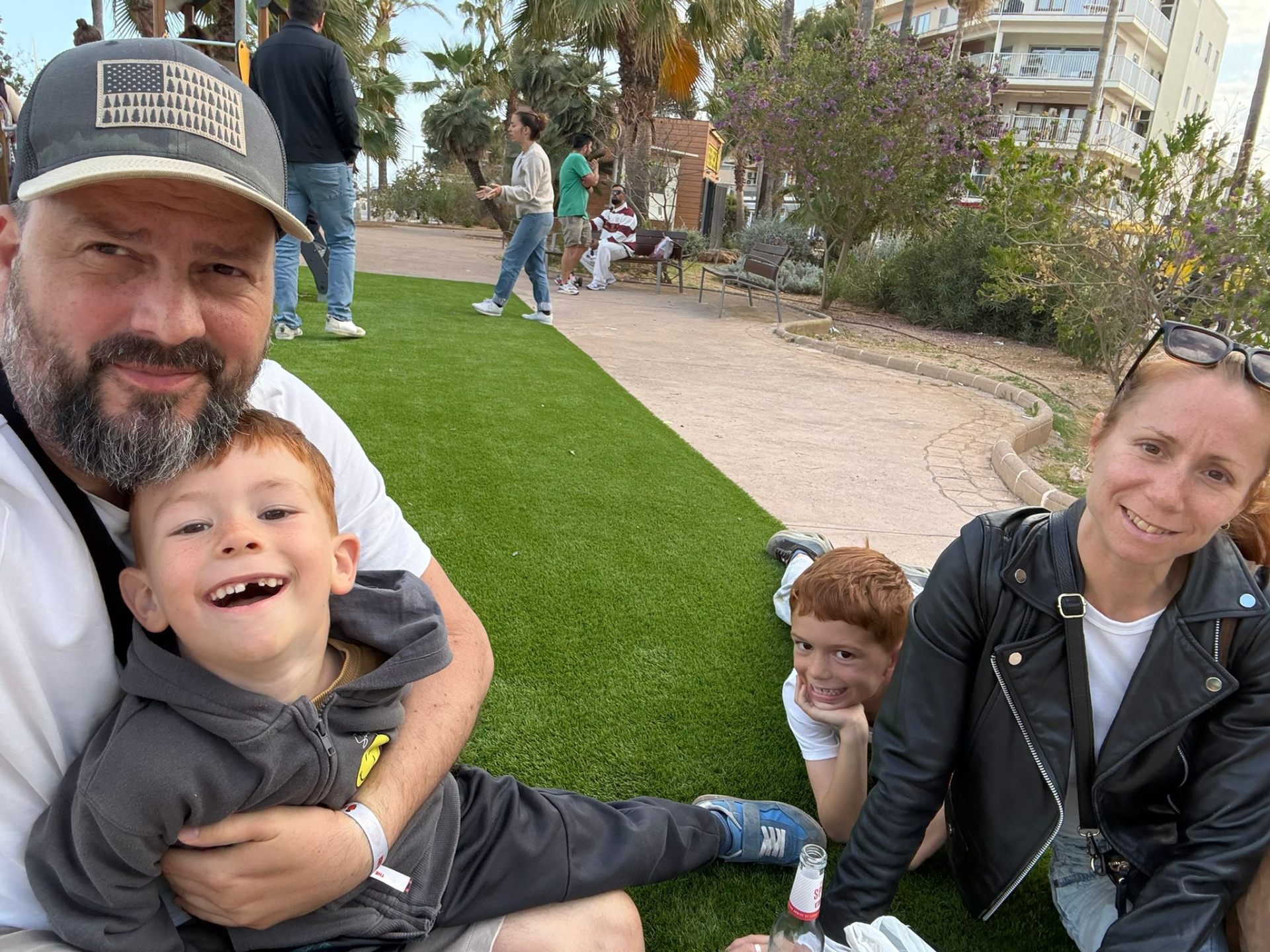
A new destination can be exciting, but family life is easier when you recognise a few faces, know where to go and have people you can ask for advice. Building community while travelling abroad with kids does not happen automatically, yet it rarely requires a large network. A few regular activities and thoughtful introductions can make a place feel more connected.
Start With the Kind of Community You Need
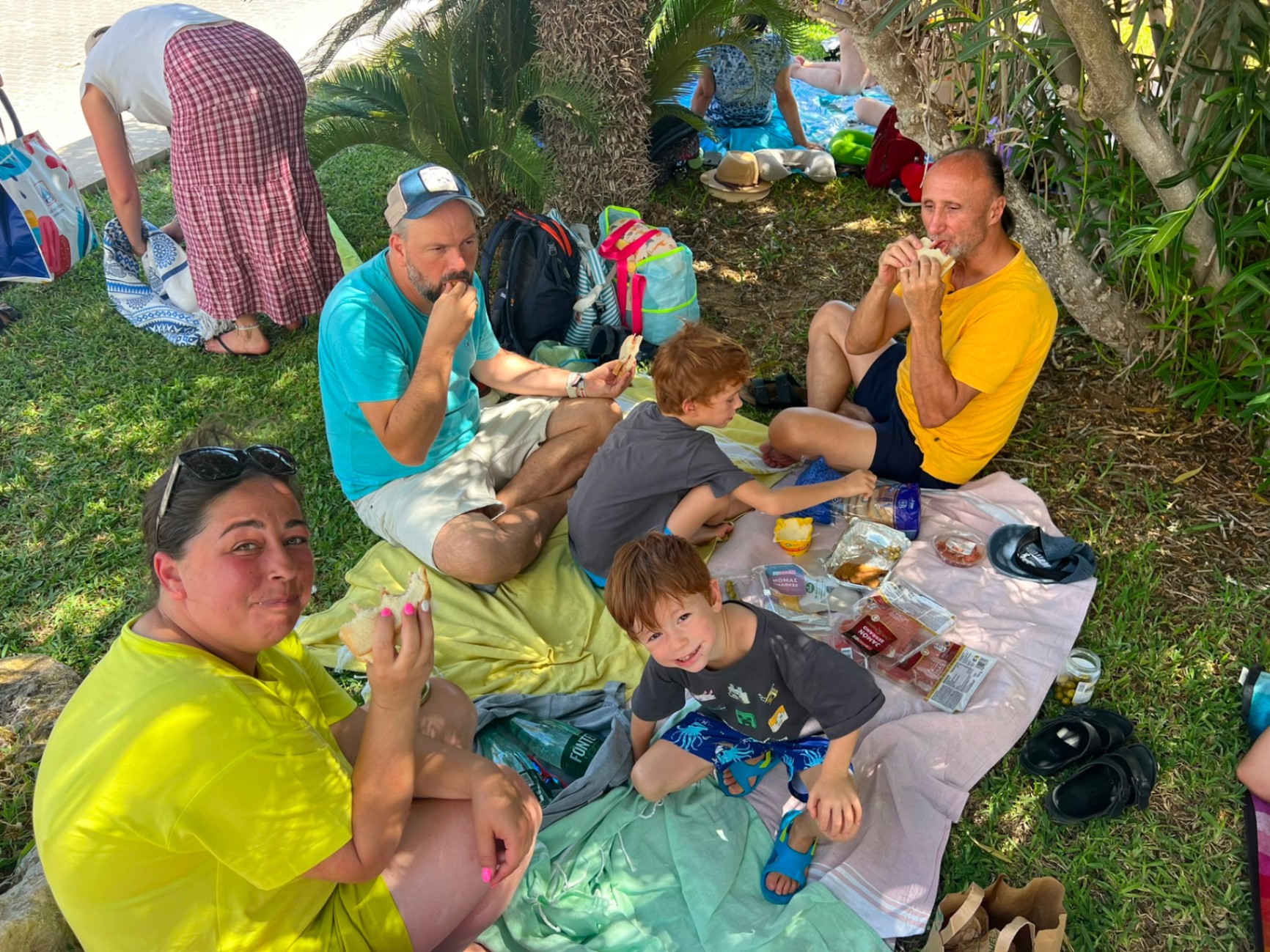
Community can mean different things: playmates for children, friends for parents, practical local knowledge, shared educational interests or people to explore with. Decide what would help your family most right now. A clear goal makes it easier to choose where to look.
Create Small, Repeatable Routines
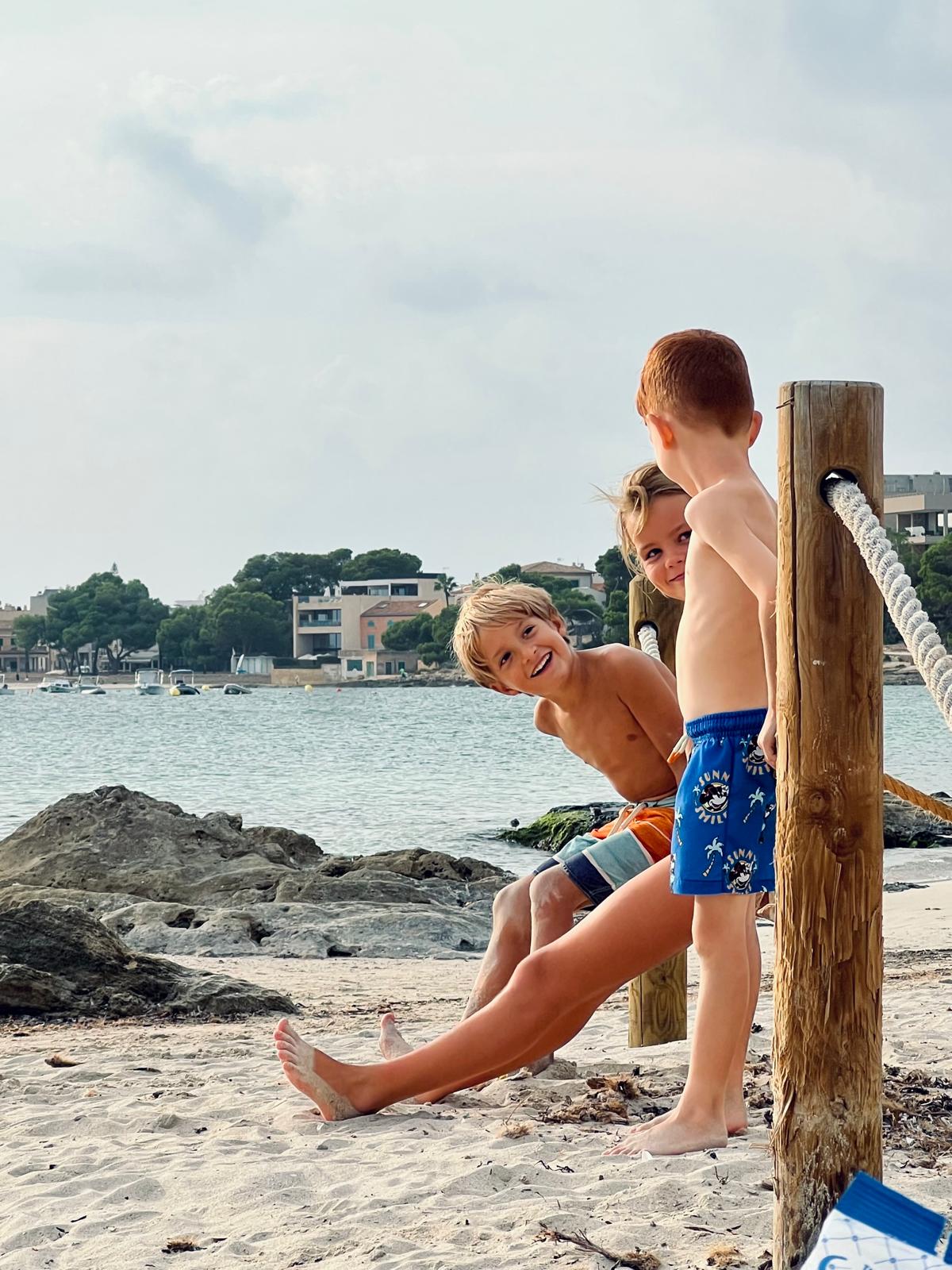
If you are staying for more than a few days, choose one or two regular activities: a morning playground visit, a weekly class, a library session or a local sports group. Repeated contact makes it easier to move from brief greetings to conversation.
A routine also helps children feel more familiar with their surroundings. You do not need to fill every day; predictable anchors can leave plenty of room for exploration.
Connect With Local and Travelling Families

Travelling families may understand the logistics of moving between destinations, while local families can introduce you to everyday life and community activities. Both kinds of connection can be valuable.
Approach people respectfully. Do not assume local parents have the same free time or interests, and be mindful of language differences. A small invitation or a genuine question about a local activity can be a good beginning.
Use Shared Interests as a Bridge
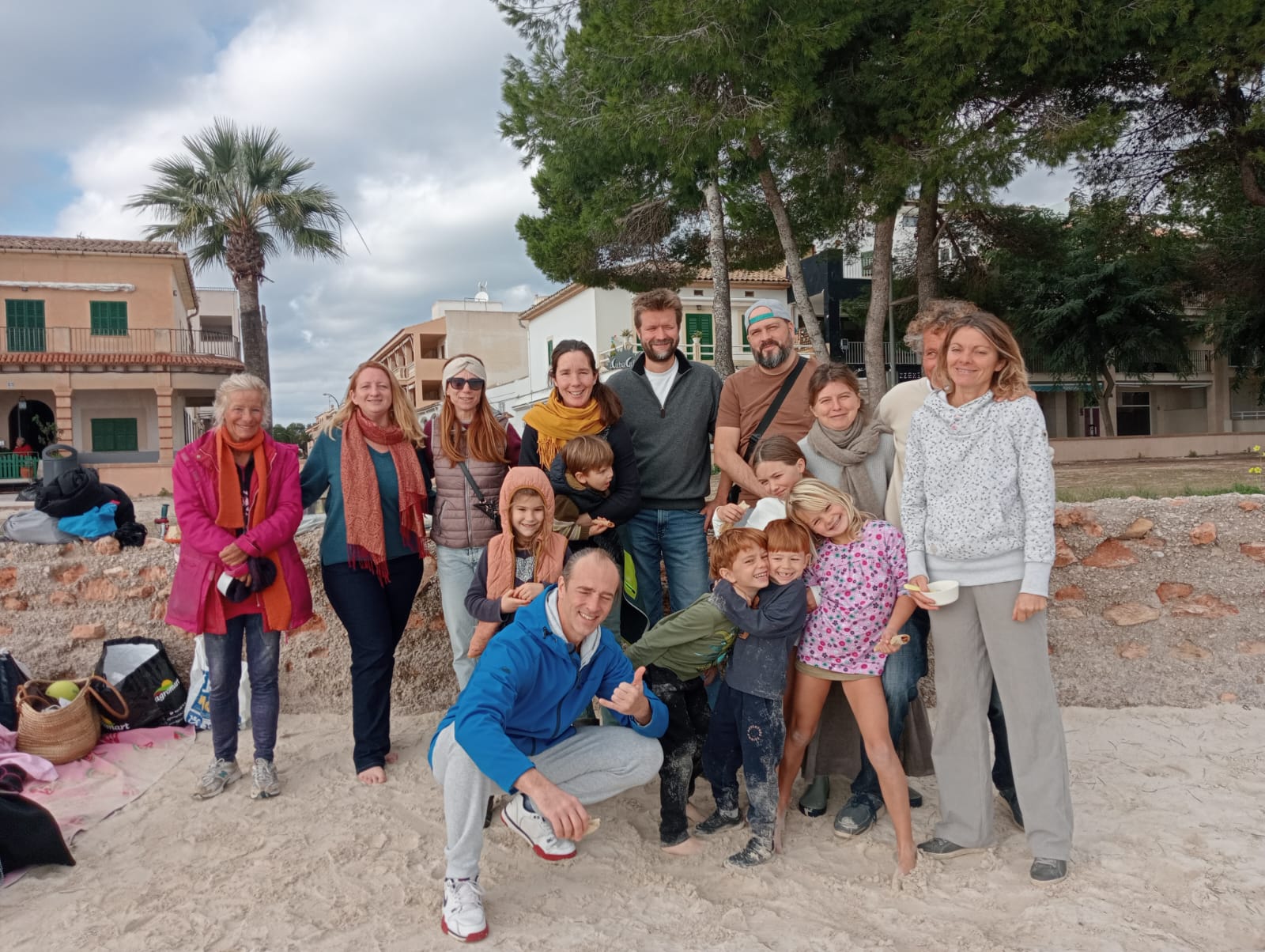
Sports, art, music, nature, language learning and volunteering can bring people together more naturally than a general request to make friends. Look for activities that your family genuinely enjoys so that the connection has a shared foundation.
For children, an activity with a clear focus can take pressure off conversation. For parents, it provides an easy way to continue talking after the first meeting.
Contribute, Don't Only Ask

Community becomes stronger when relationships are reciprocal. Share a useful recommendation, help organise a picnic, thank someone for their advice or offer to coordinate a simple group activity when appropriate. You do not need to do everything; small contributions help create mutual trust.
Respect Local Customs and Boundaries
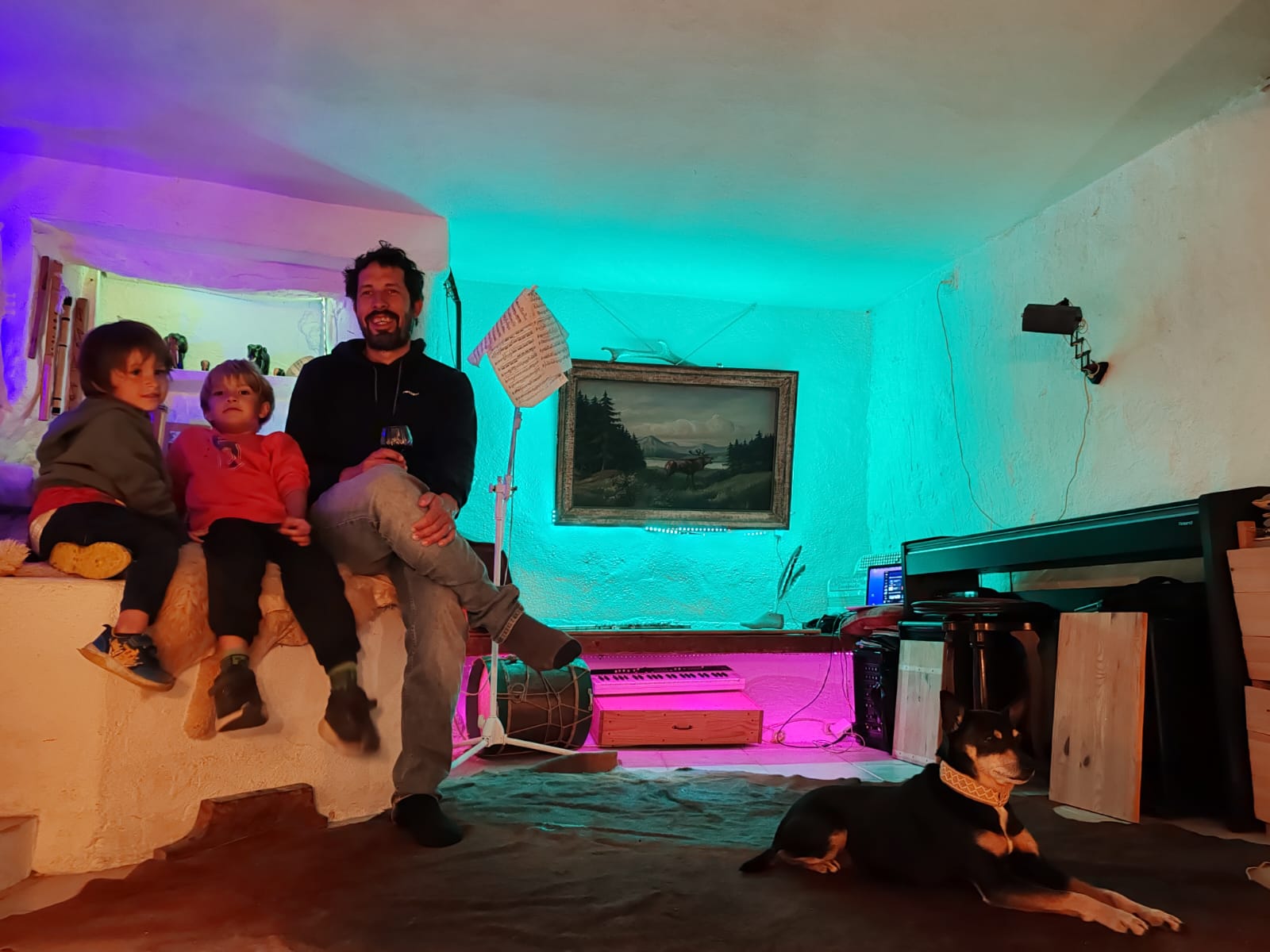
Every community has its own rhythms and expectations. Learn basic local etiquette, ask before taking or sharing photos of others, and avoid assuming that an online invitation means someone is available. If you are visiting a community event, follow the organiser's guidance and be considerate of residents.
Keep Connections Manageable
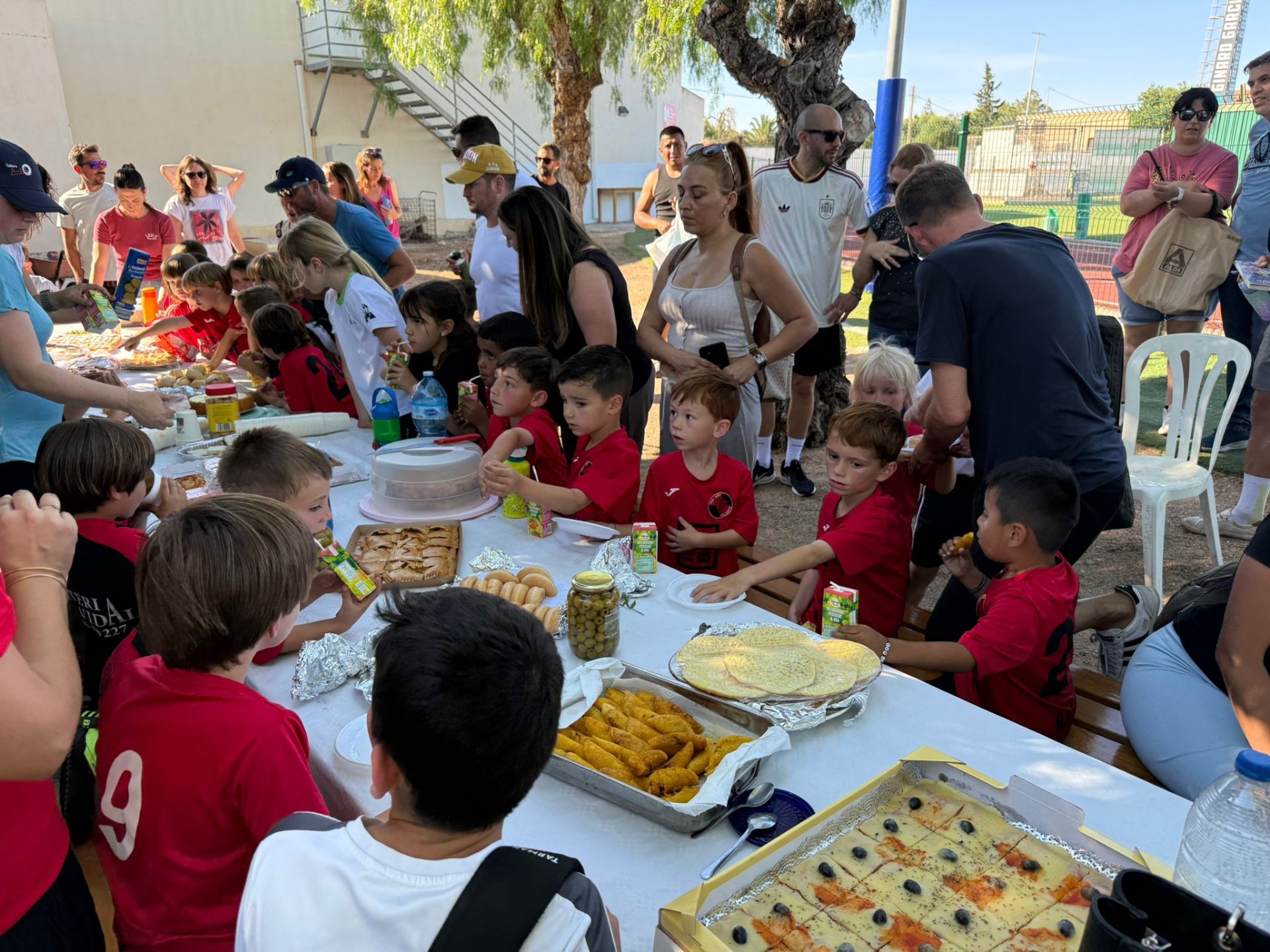
You do not need to meet everyone. A small number of reliable contacts may be more helpful than a long list of acquaintances. Keep plans realistic and allow your family time for rest, work, education and private life.
Discover Activities and Places in Your Destination
Finding the right starting point can take time when you are new to an area. Families Planet brings together a map, places, events and community discussions to help families explore family-related opportunities. Use current listings as a starting point, confirm details with organisers and choose activities that fit your family.
Frequently asked questions
How long does it take to build community abroad?
There is no fixed timeline. Repeated activities and regular contact can help, but relationships develop at different speeds.
Should we focus on local families or other travellers?
Both can be useful. Choose based on your family's interests, destination and how long you plan to stay.
What if we move frequently?
Prioritise a few meaningful connections, stay in touch with permission and consider slower travel when consistent social contact is important.
How can we make a new place feel more familiar?
Create small routines, revisit useful places, learn local customs and gradually connect with people through shared activities.