 Families Planet
12 Educational Activities While Traveling With Kids
· 3 min read
Written by a family that actually lives this. We've moved around Europe and Asia with our kids, love a long board-game evening (ask us about Catan), and run Families Planet from Mallorca. Below is what we'd tell a friend, kept practical. Where something depends on your country or your kids, we say so.
Travel creates opportunities for children to encounter ideas, environments, and experiences beyond their familiar surroundings. A walk through an old town can inspire questions about history and architecture. A local market can introduce unfamiliar ingredients and languages. A coastline can encourage curiosity about wildlife, weather, and geography. You do not need elaborate lessons for every destination. Often, a simple question or hands-on activity is enough to encourage children to investigate the world.
1. Explore Local Markets
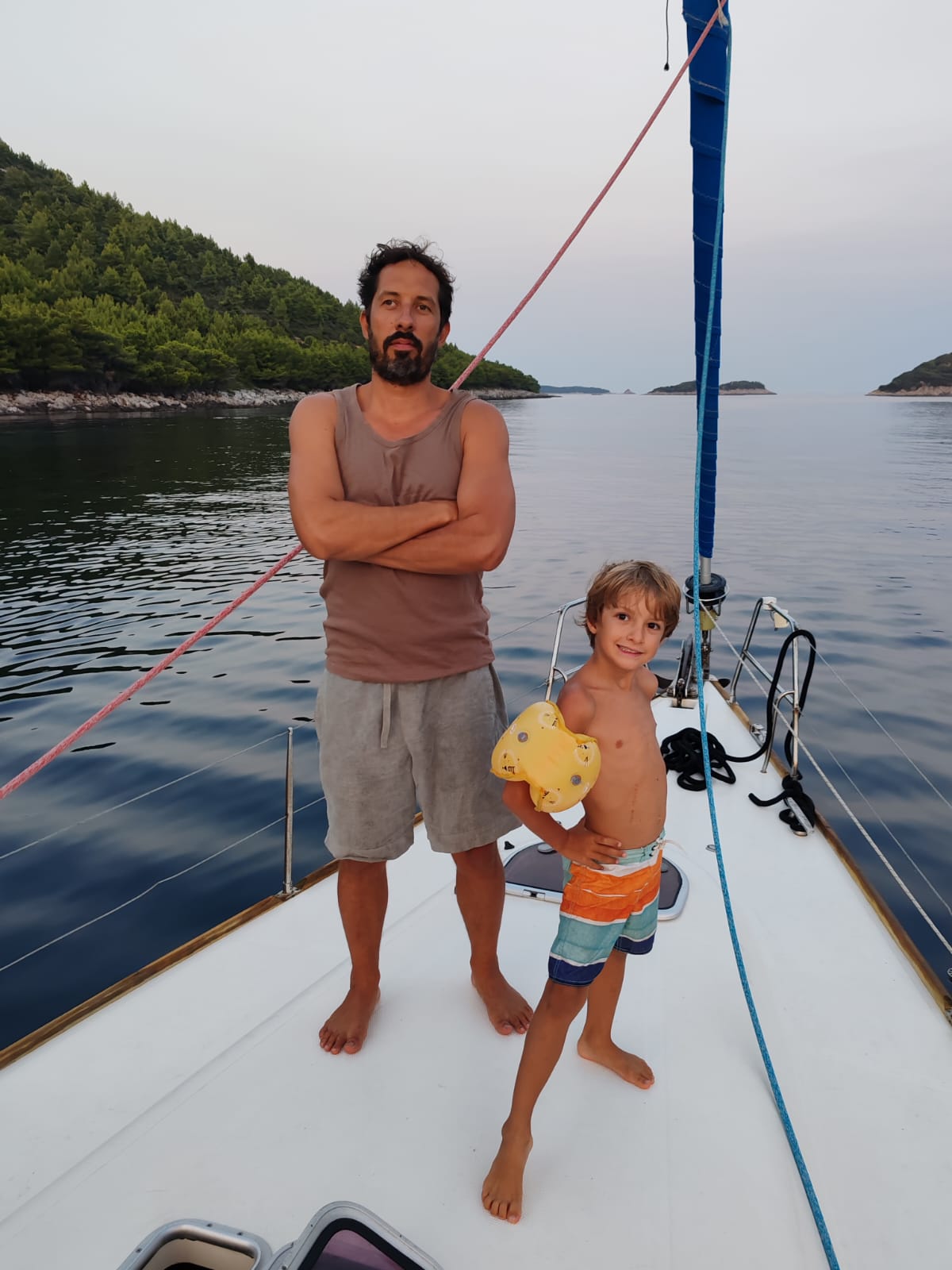
Markets let children discover unfamiliar foods, languages, and everyday customs. Ask younger children to find three unfamiliar foods; older children can compare prices or research where ingredients come from.
2. Discover History Through Places
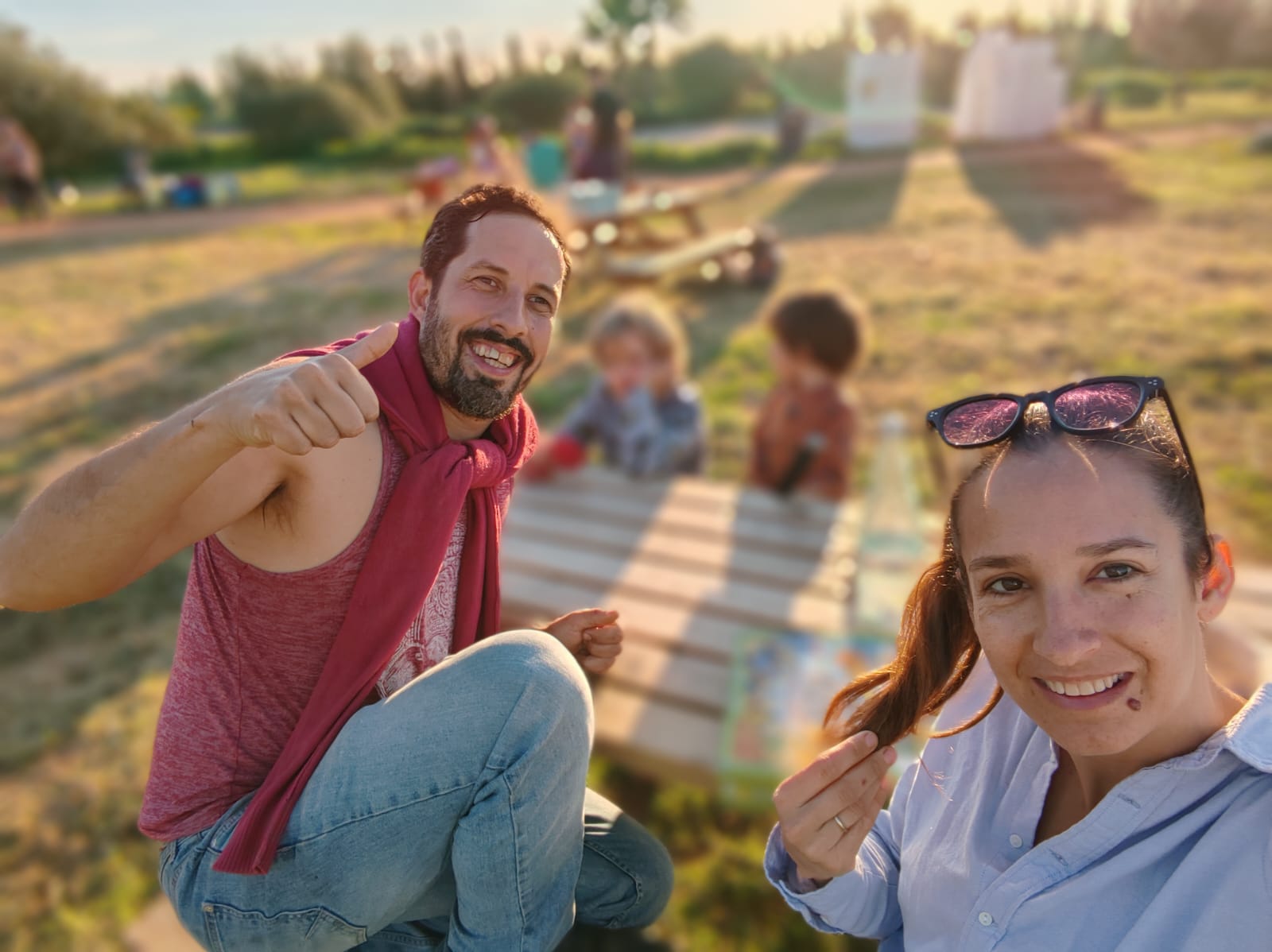
Castles, archaeological sites, monuments, and old neighborhoods make history tangible. Choose one or two things to look for before visiting, then discuss what surprised your children afterward.
3. Turn Your Journey Into a Geography Project
Follow the route on a map and identify countries, regions, cities, and natural features. Older children can compare distances or help understand route options. A family travel map can become a visual record of the journey.
4. Explore Nature Like Young Scientists
On a beach, forest, river, or mountain trail, encourage children to notice patterns in plants, animals, and landscapes. A nature journal can record observations through sketches, descriptions, or photographs. Follow local guidance about wildlife and protected areas.
5. Learn a Few Words of the Local Language
Practice greetings, polite expressions, numbers, food words, or simple questions. Children can create illustrated vocabulary cards and look for familiar words on signs. Keep it playful rather than turning every interaction into a test.
6. Visit Museums With a Mission
Instead of trying to see everything, choose a small theme: animals, art, transportation, or ancient civilizations. Ask children to identify one object that surprises them. Check whether the museum offers family activities.
7. Use Photography to Develop Observation Skills
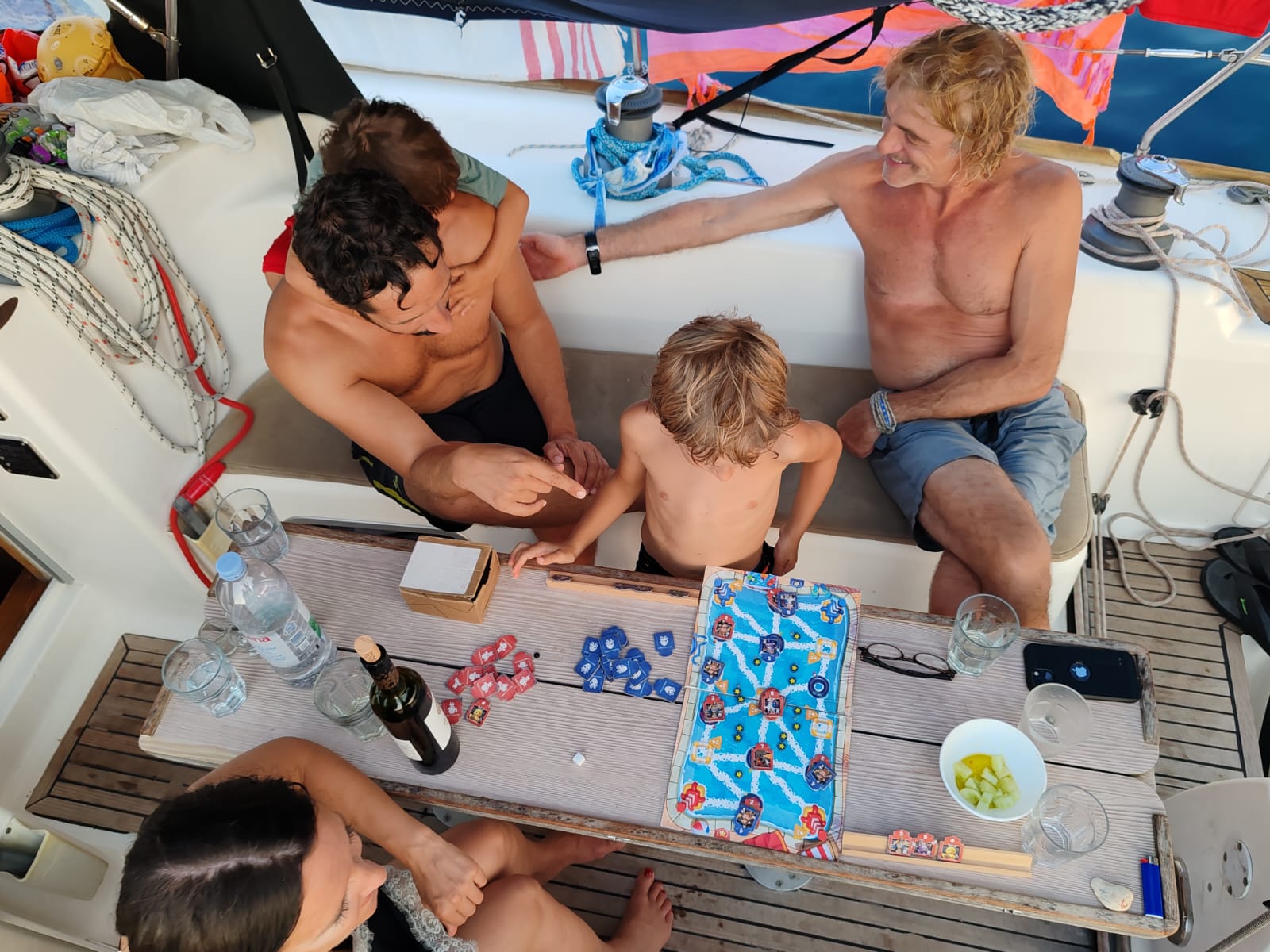
Give children a photo challenge, such as finding five patterns or three examples of local architecture. Review the images together and ask what each one tells them about the place. Respect privacy and local photography rules.
8. Try Local Food Together
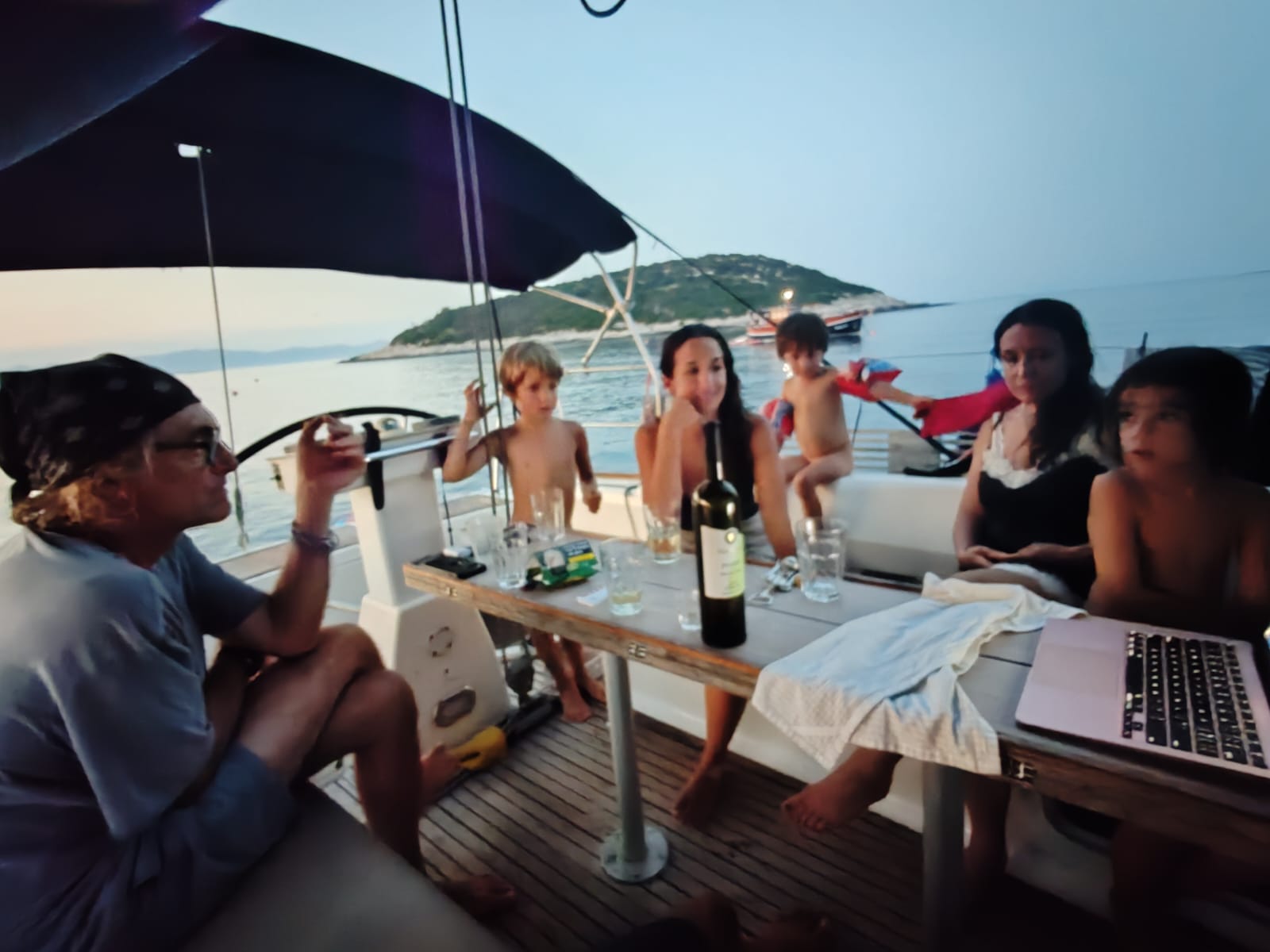
Food can introduce geography, agriculture, and culture. Explore unfamiliar ingredients, visit a market, or prepare a simple local-inspired meal. Consider allergies, dietary requirements, and food safety.
9. Organize a Simple Art Project
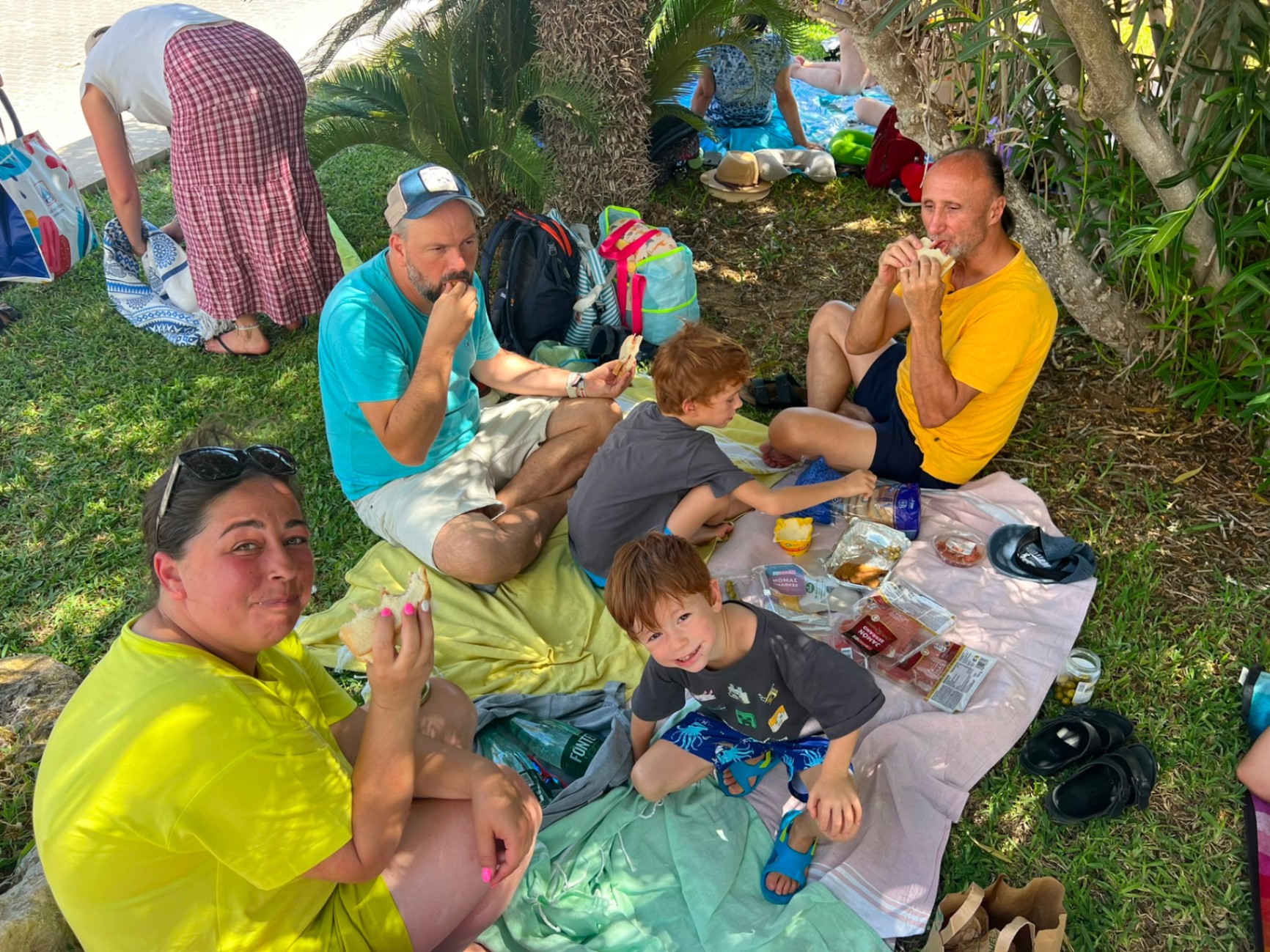
Children can sketch a landscape, draw a building, create a postcard, or keep a travel sketchbook. A notebook and pencils may be enough. Creative projects help children interpret what they see.
10. Learn Through Everyday Problem-Solving
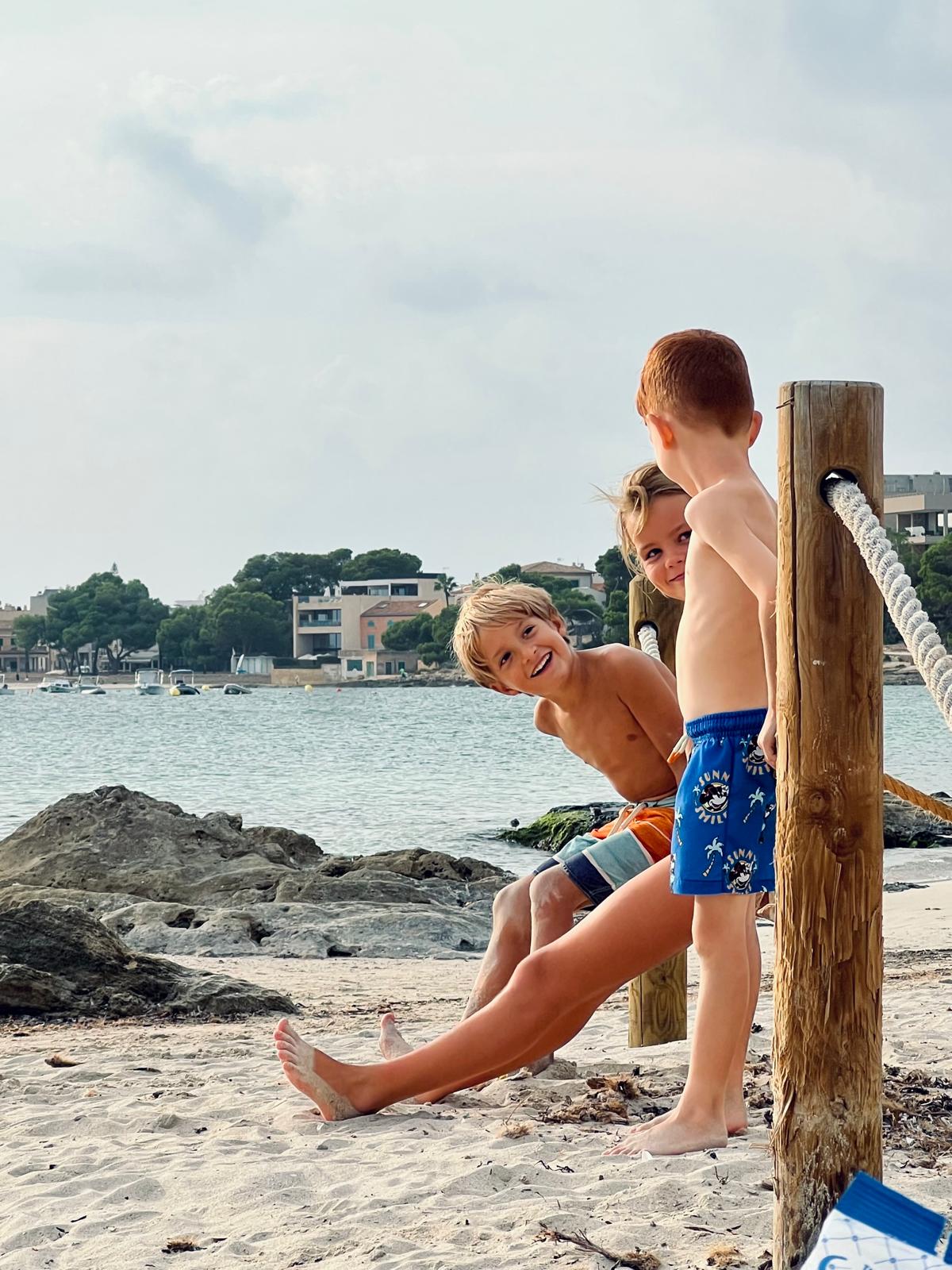
Planning a route introduces geography and time management. Comparing ticket prices involves mathematics. Reading a timetable requires interpreting information. Keep tasks age-appropriate and let adults handle safety-critical decisions.
11. Discover Local Culture Through Community Activities

Festivals, workshops, performances, and craft activities can help children experience local traditions. Research events in advance and participate respectfully.
12. Learn With Other Traveling Families
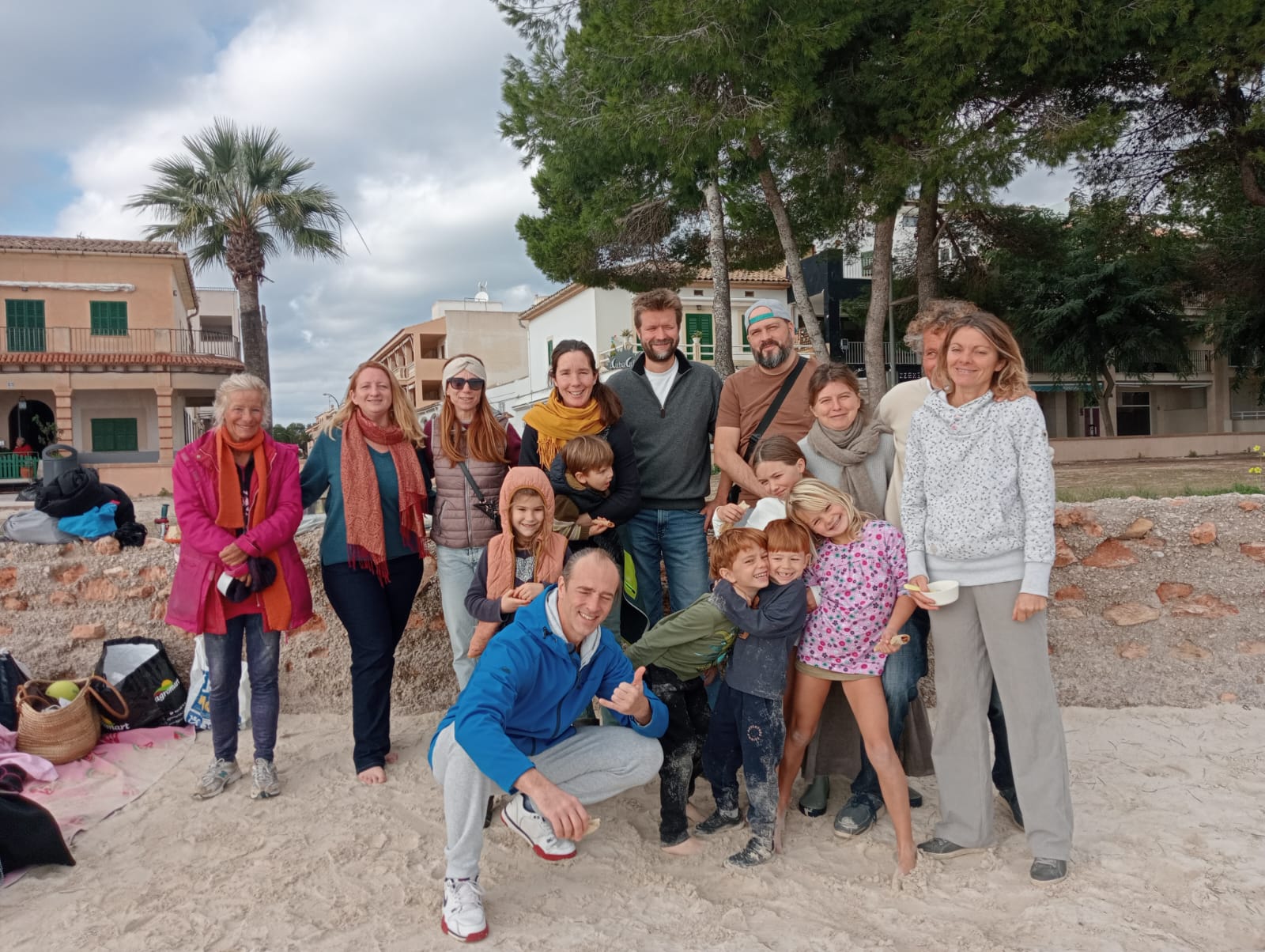
Shared activities can help children exchange ideas and make connections. Other parents may also have suggestions for activities that match your children's interests. Families Planet helps traveling families explore potential connections and discover relevant places and activities.
Make Educational Travel Enjoyable

Start with something your children already find interesting. If they love animals, explore local wildlife; if they enjoy drawing, create a travel sketchbook. Leave room for play and rest. For worldschooling families, these activities can complement other educational arrangements, but applicable requirements still need to be followed. Travel offers children opportunities to encounter different environments, cultures, languages, and ideas. You do not need to have all the answers. Sometimes the most valuable question is simply, “What do you think is happening here?” Discover places, activities, and potential family connections with Families Planet.