 Families Planet
Family Gap Year: How to Plan an Adventure Together
· 3 min read
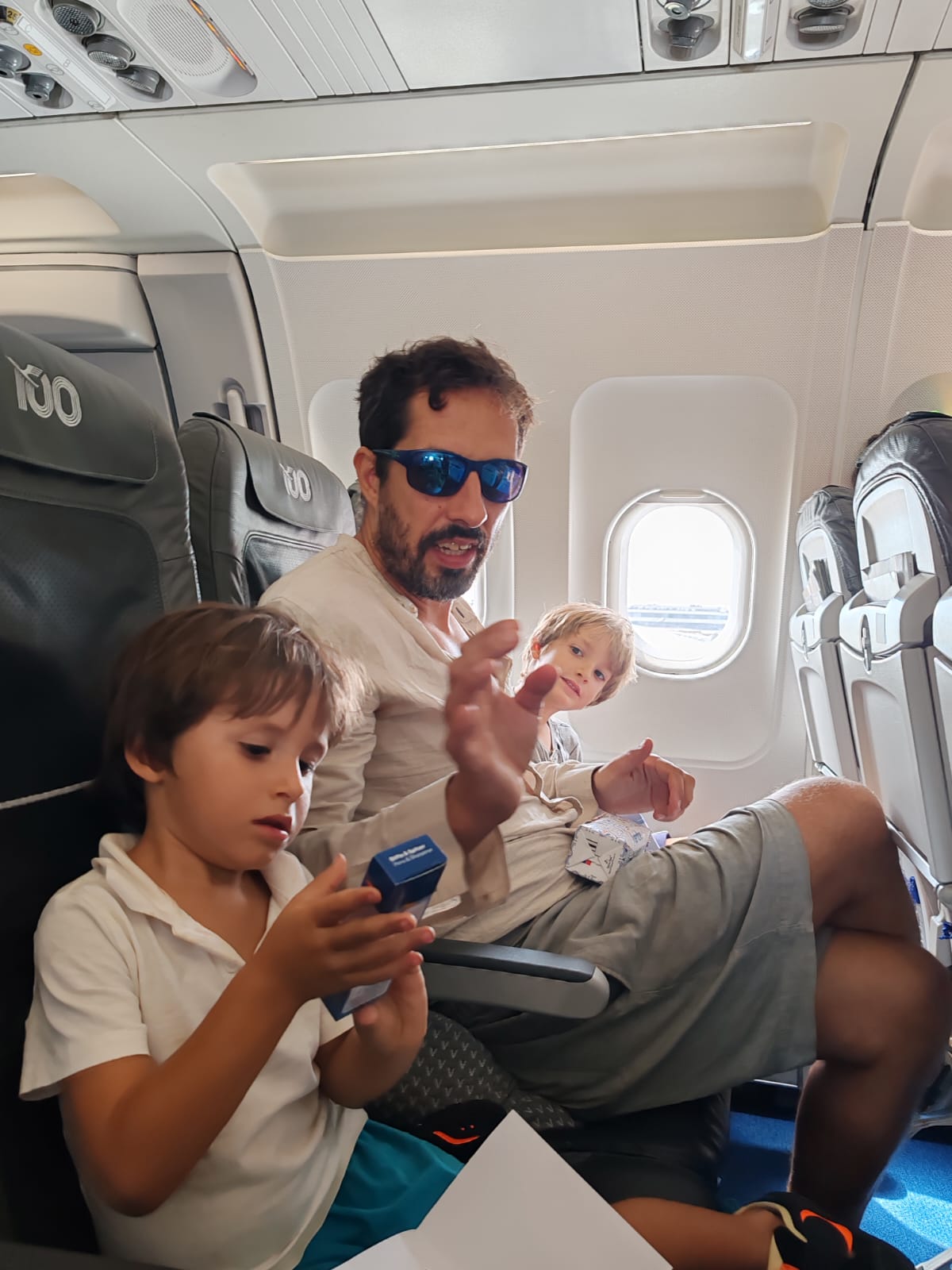
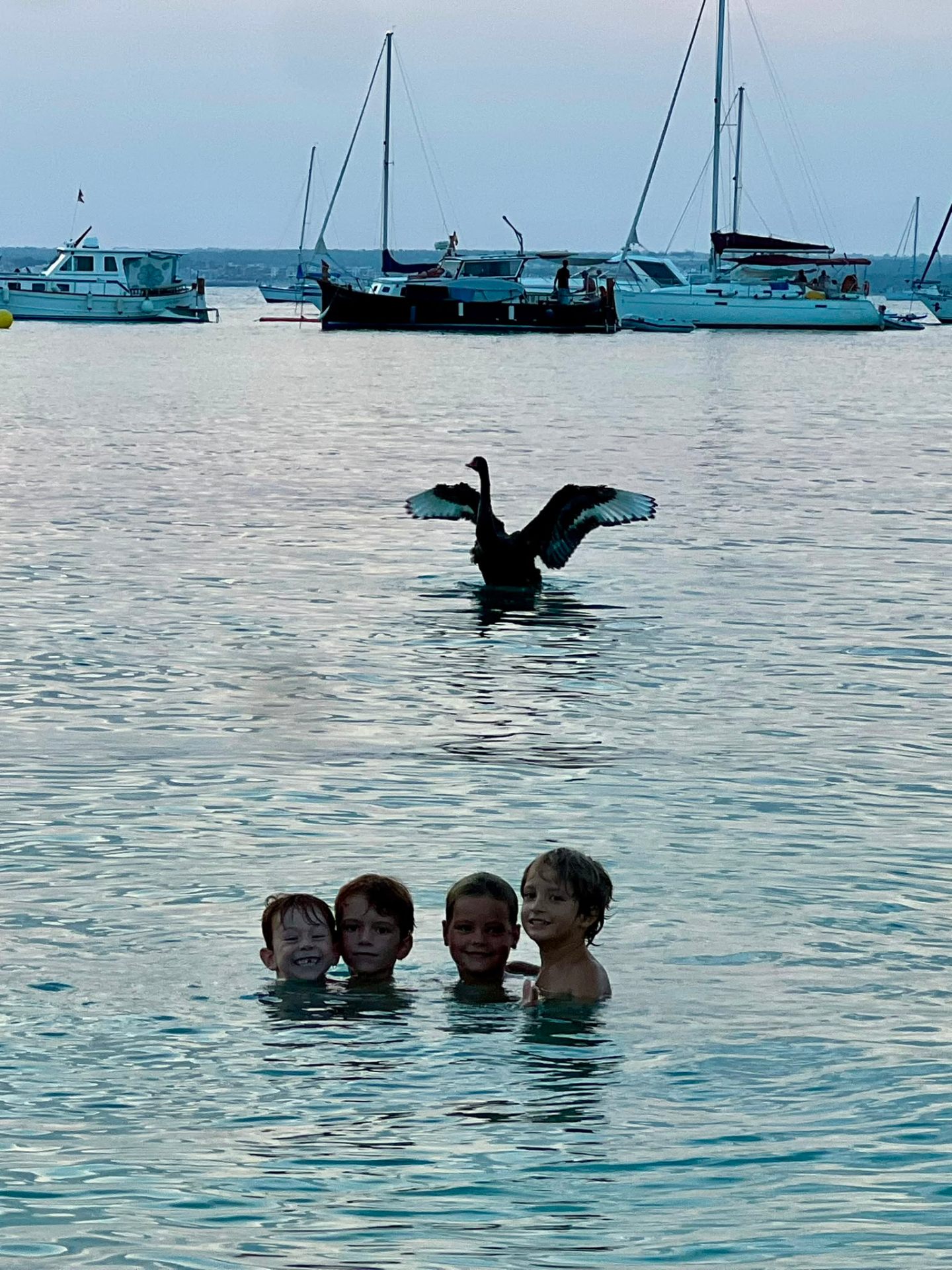
We're the Tóth family. We've travelled through Italy, Spain, Thailand, Morocco and Indonesia with our kids, and these days our base is Mallorca. Below is what we'd tell a friend, kept practical. Where something depends on your country or your kids, we say so.
A family gap year is an extended period when a family steps away from its usual routine to travel, explore, learn, or spend more time together. It may last a full year, several months, or a shorter period that fits the family's circumstances. There is no single way to take a family gap year. Some families travel across several countries, while others settle in one region and explore from a temporary base. The important part is designing an experience that is realistic for everyone.
1. Agree on What You Want From the Year
Talk about your goals as a family. Is the priority cultural discovery, outdoor activities, language learning, family time, worldschooling, or testing a different lifestyle? Agreeing on a few priorities can make later decisions easier.
2. Decide How Long You Can Be Away

A full year is not essential. Consider work commitments, school calendars, family responsibilities, visas, and finances. A trial period of several weeks can help you understand whether extended travel suits your family before making a larger commitment.
3. Work Out the Numbers
Build a budget that includes transport, accommodation, food, insurance, healthcare, activities, visas where relevant, and expenses that continue at home. Add an emergency reserve. Costs vary considerably by destination and season, so use current local estimates instead of assuming that travel will always be cheaper than staying home.
4. Choose a Travel Style

You could travel slowly, use one or two home bases, take a road trip, or combine longer stays with occasional short journeys. Frequent movement can be exciting but adds transport costs and transition time. A slower pace may make it easier to work, learn, and develop friendships.
5. Plan for Work and Income

If a parent will work remotely, check employer policies, time zones, internet access, and any relevant immigration or tax requirements. If you are taking a break from work, think through how you will manage finances during the trip and when you return.
6. Make an Education Plan
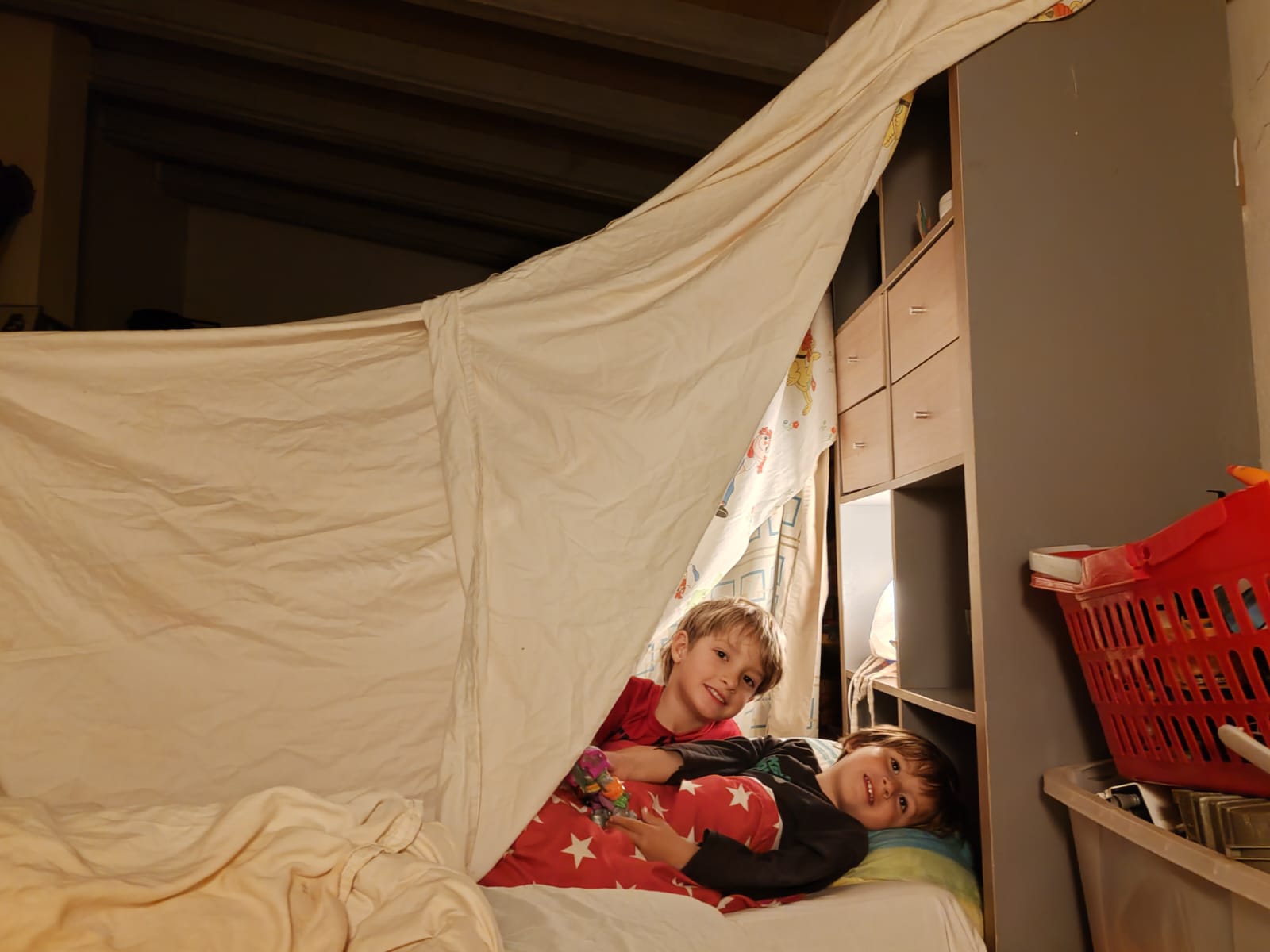
Research the rules that apply to your children's schooling and residence. Families considering homeschooling or worldschooling should understand any legal requirements and plan how learning will be supported. Museums, nature, local culture, and language practice can add depth to a child's learning, but they do not remove the need to comply with applicable rules.
7. Include Children in Planning
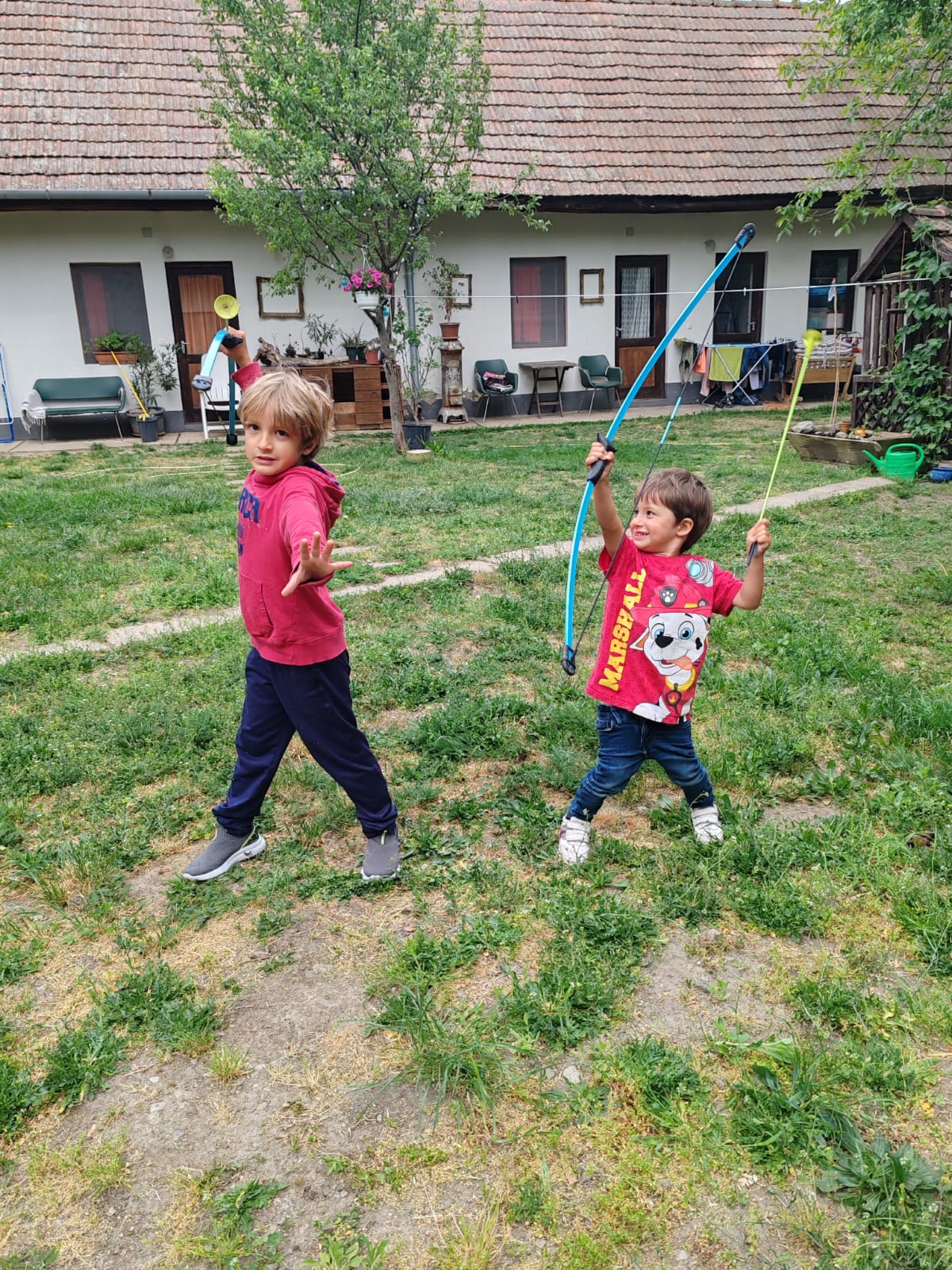
Children can help choose activities, research animals or landmarks, make a packing list, or mark destinations on a map. Giving them age-appropriate choices helps them feel part of the adventure while adults remain responsible for important decisions.
8. Make Space for Community
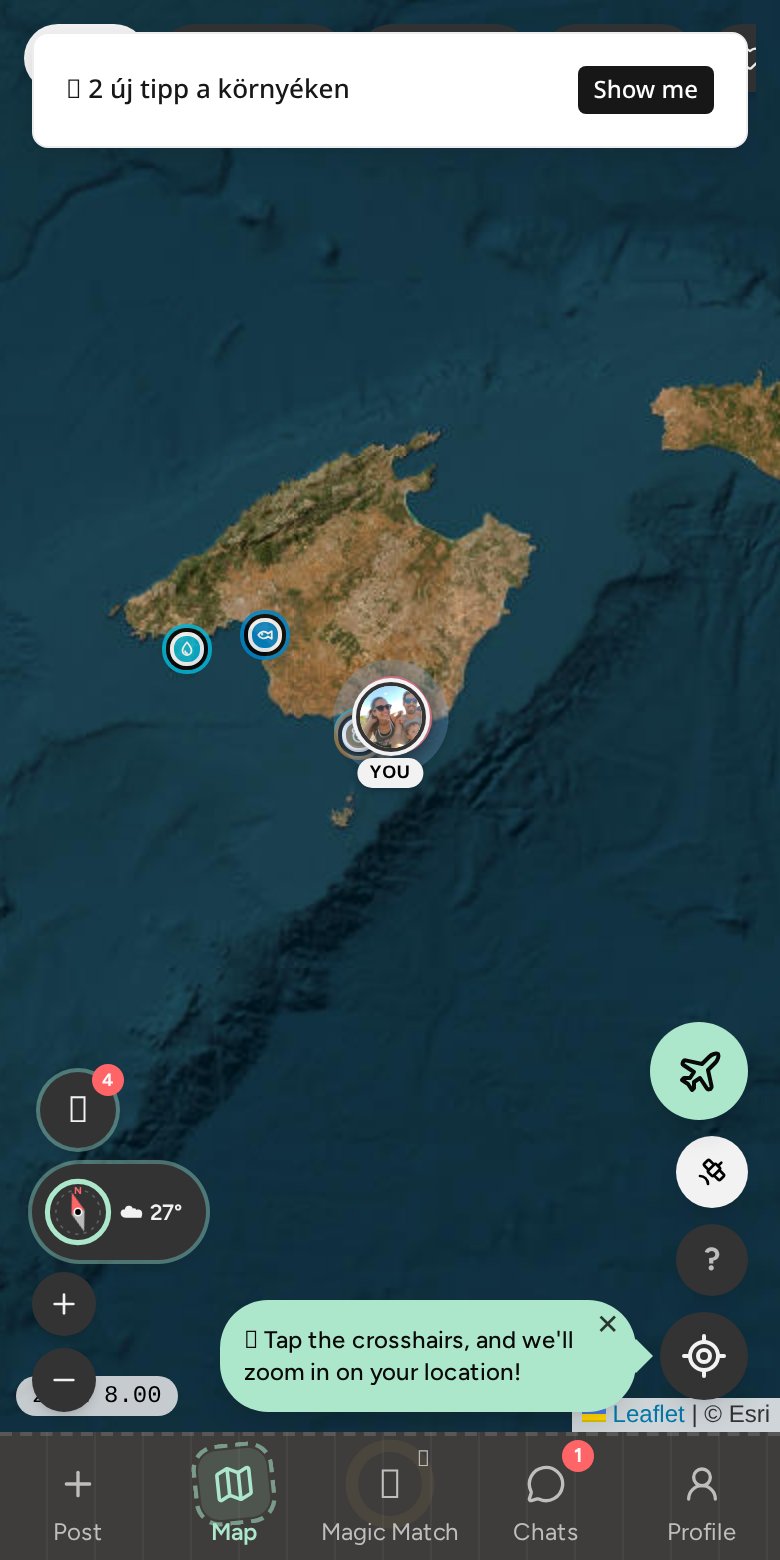
Travel can feel isolating if every connection is temporary. Research local activities, family events, workshops, and places where children can meet peers. Families Planet can help traveling families discover potential connections and places to explore.
9. Prepare for the Return
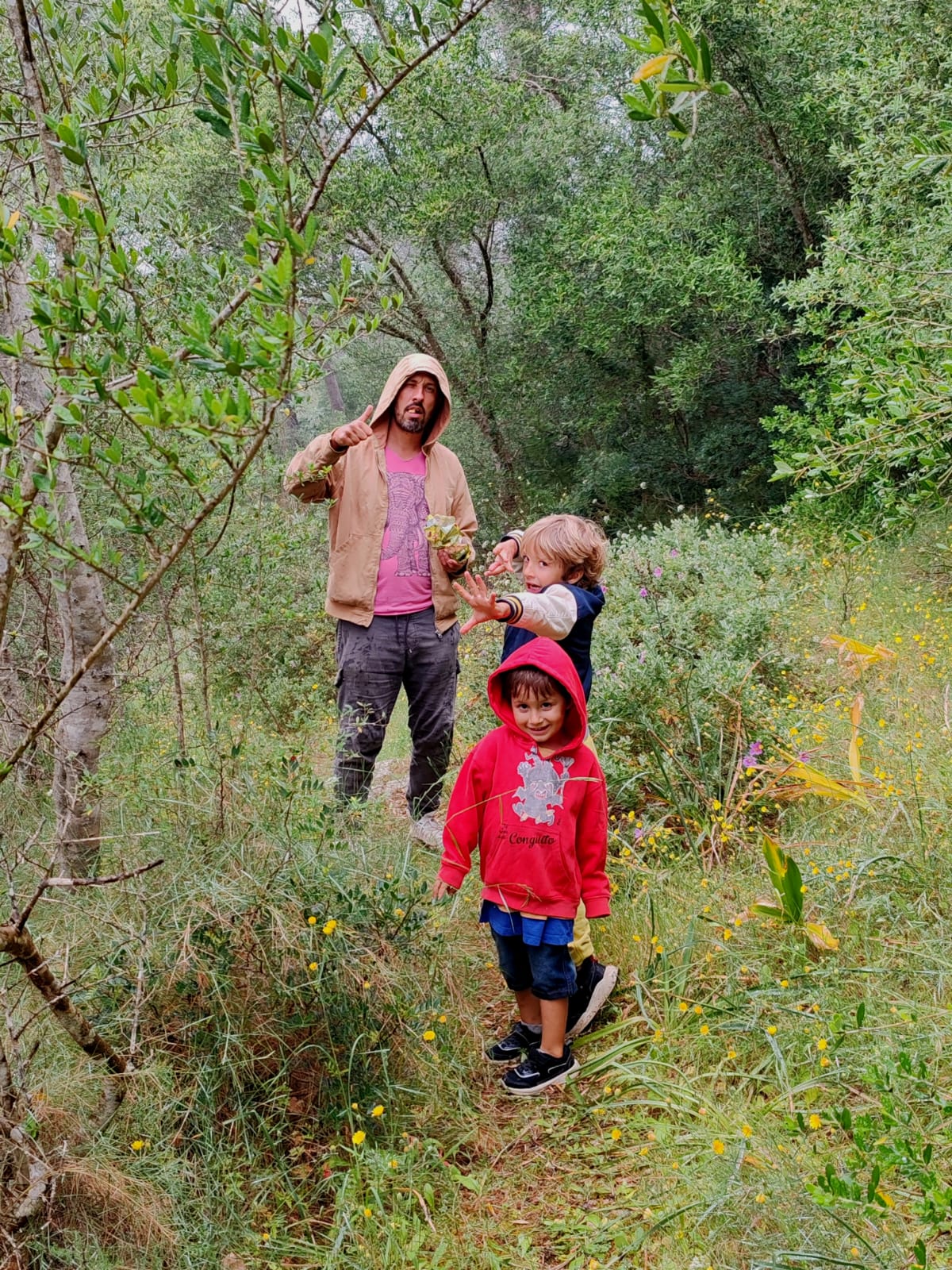
Think about what happens after the trip: housing, school, work, finances, and family routines. You do not need to plan every detail, but having a broad return strategy can reduce stress.
A Family Gap Year Does Not Need to Be Perfect
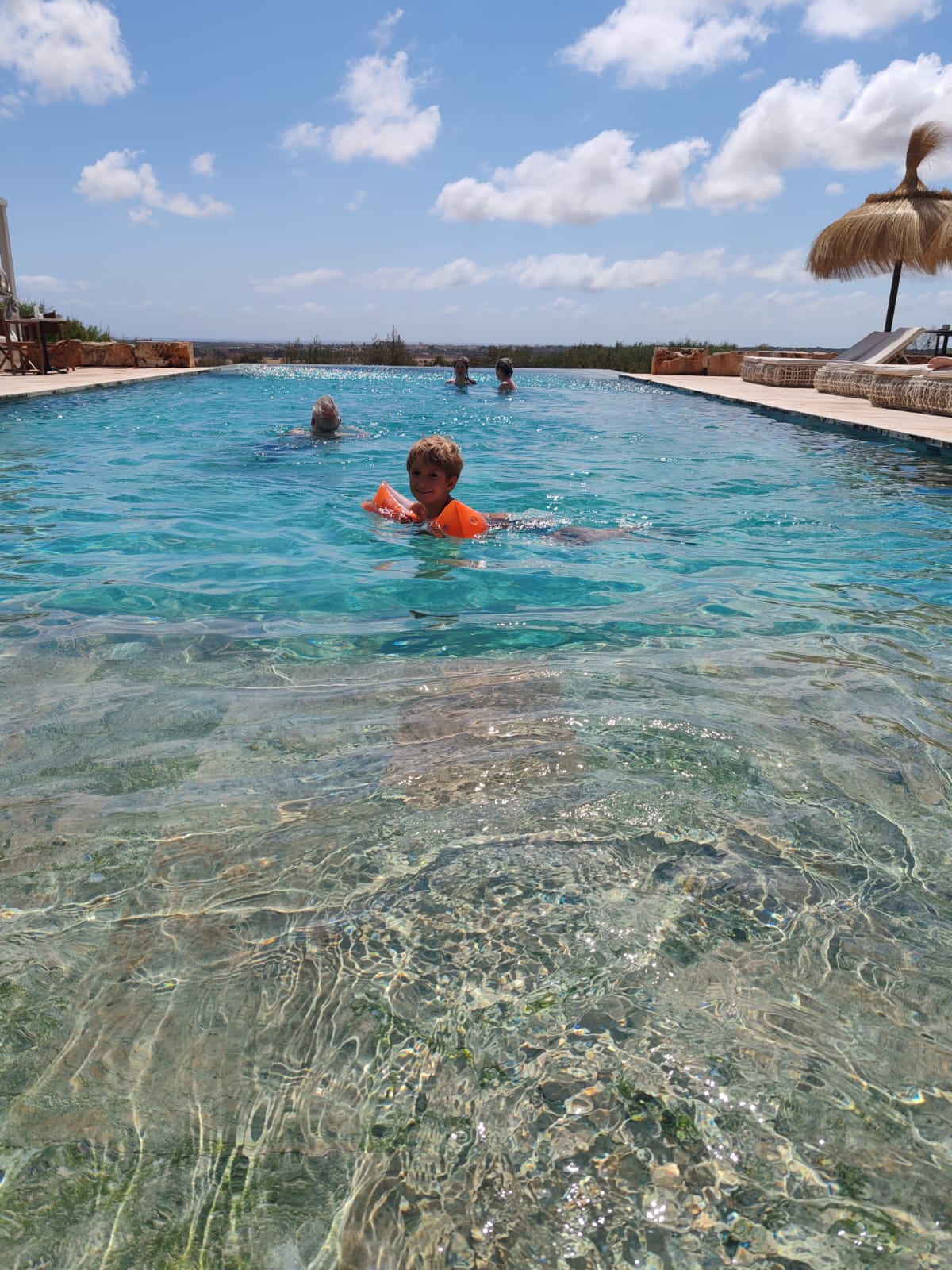
The most meaningful moments may be ordinary: a favorite market, a walk after schoolwork, a conversation with a local family, or a day spent exploring nature. Plan carefully enough to feel secure, but leave room for the unexpected. Start exploring destinations and potential family connections with Families Planet.