 Families Planet

Family Travel Safety: A Practical Checklist for International Trips
· 3 min read
Written by a family that actually lives this. We've moved around Europe and Asia with our kids, love a long board-game evening (ask us about Catan), and run Families Planet from Mallorca. Below is what we'd tell a friend, kept practical. Where something depends on your country or your kids, we say so.
No checklist can remove every risk from international travel, and safety needs vary by destination and family. A useful plan focuses on the risks that matter for your route: current official travel advice, transport, health access, accommodation, lost documents, separation in crowds, and communication during disruptions. Review the plan before departure and update it when the itinerary changes.
Check official travel advice for each destination

Review current government travel advice before booking and again before departure. Pay attention to local security conditions, entry requirements, demonstrations, extreme weather, health notices, and regional differences within a country. Save official emergency numbers and the contact details of your embassy or consulate where relevant.
Keep documents accessible and secure
Check passport validity, visas, consent or custody documents where applicable, insurance details, and tickets. Keep digital copies in a secure account and a separate backup, while protecting access with strong authentication. Avoid storing all original documents in one easy-to-lose bag.
Plan for transport safety

Use appropriate child restraints and follow local laws. Confirm that transfers and taxis are legitimate, and research the safest practical route from stations or airports to accommodation. For road trips, plan rest stops and never let time pressure override safe driving.
Review accommodation hazards

Check locks, windows, balconies, pools, stairs, exposed electrical outlets, and access to busy roads. The relevant risks depend on children’s ages and abilities. If an essential safety feature is missing or unclear, ask the host directly or choose another property.
Agree on a separation plan
In crowded places, choose a simple meeting point and teach children how to identify a safe adult to ask for help, using guidance appropriate to their age and location. Younger children should remain under close supervision. Do not rely on a child’s phone or memorized number as the only safeguard.
Prepare a health and medication plan
Check destination-specific health advice, insurance exclusions, medication rules, and access to suitable care. Carry essential medication in line with applicable rules and keep it accessible. If a family member has a condition that may require urgent care, know where to seek help before you need it.
Use connectivity thoughtfully

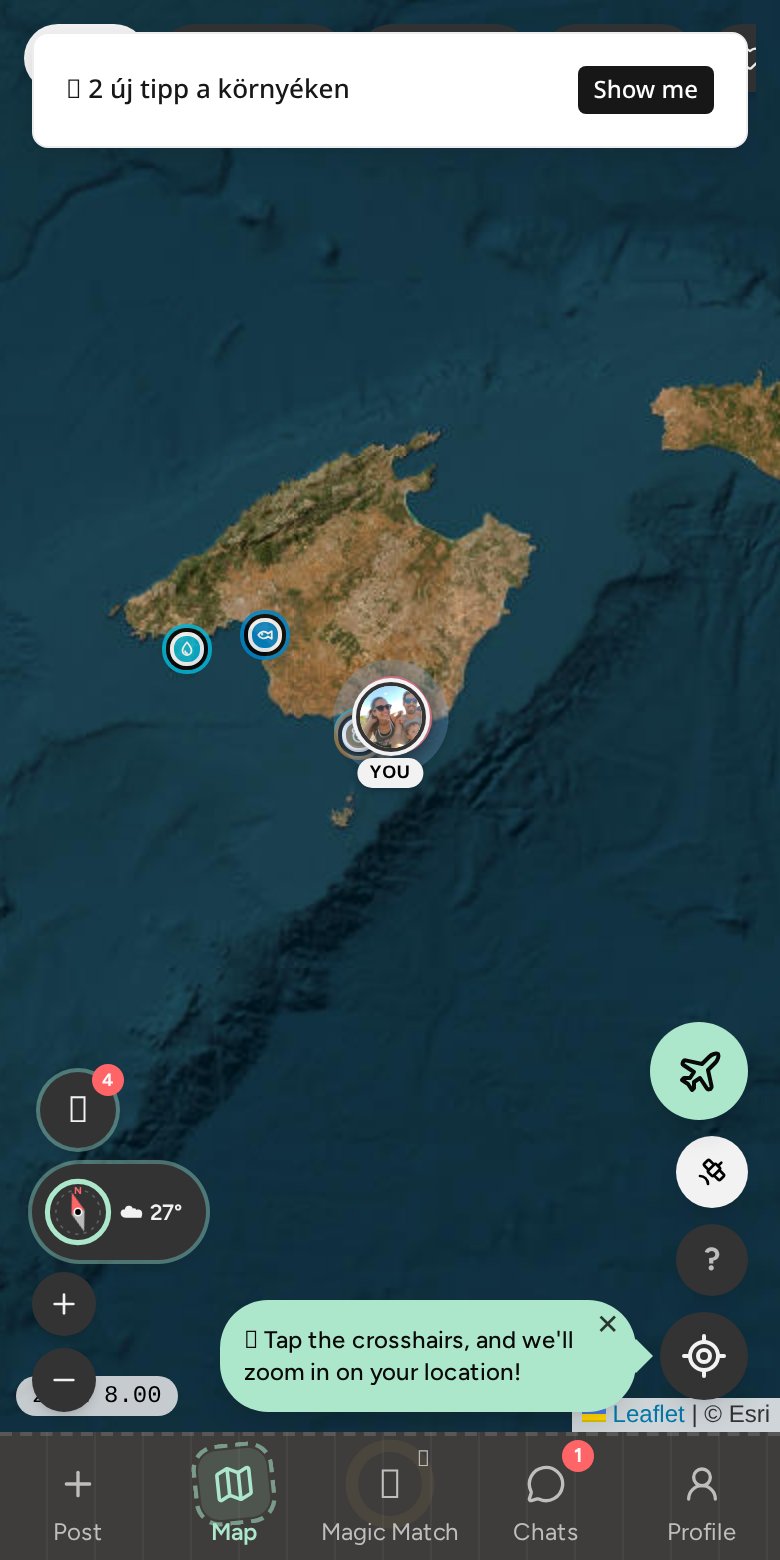
Keep key addresses and instructions available offline. Agree how family members will contact each other if mobile data fails. Location sharing can be useful for some families, but review privacy settings and do not treat a phone app as a substitute for supervision.
Know what to do if plans change
Keep a small emergency fund where possible, know how to contact your insurer and carrier, and understand the procedure for lost passports or disrupted travel. Recheck official advice if a serious local event or weather warning occurs.
A practical next step

Create a destination-specific safety note with emergency numbers, accommodation address, insurance contact, nearest appropriate medical facility, transport plan, and a family meeting point. Generic advice is a starting point, not a substitute for current local information.
Frequently asked questions
What is the most important safety step before travelling abroad with children?
There is no single step for every trip. Start with current official travel advice, valid documents, suitable insurance, and a plan for transport and urgent medical needs.
Should children carry identification?
Consider age, destination, and local guidance. Keep copies of important information secure and follow official advice about what documents children should carry.
Is location-sharing enough to keep children safe?
No. It can support communication in some situations, but it does not replace age-appropriate supervision, clear meeting plans, and local safety precautions.