 Families Planet
Homeschooling While Traveling: A Practical Guide for Families
· 3 min read
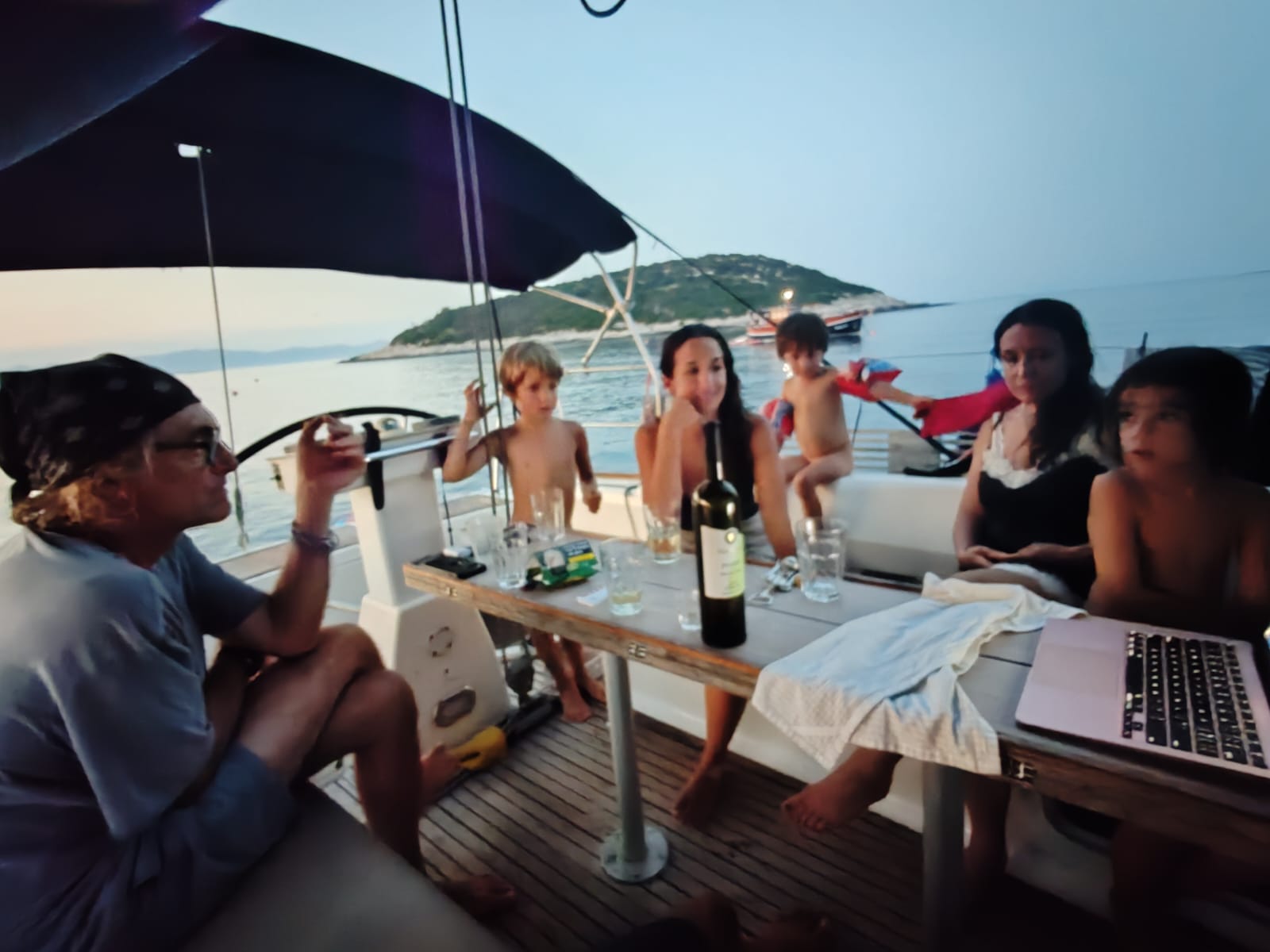
We're the Tóth family. We've travelled through Italy, Spain, Thailand, Morocco and Indonesia with our kids, and these days our base is Mallorca. Below is what we'd tell a friend, kept practical. Where something depends on your country or your kids, we say so.
Homeschooling while traveling can give families flexibility to explore new places while continuing their children's education. It can also require organization, consistency, and careful attention to the rules that apply to the family's circumstances. Travel and education can complement each other, but successful planning starts with understanding your responsibilities and choosing a routine that fits your children.
1. Research the Rules First
Educational requirements vary by country, residence, and individual circumstances. Before making plans, check official guidance about school attendance, homeschooling, registration, and documentation. Do not assume that traveling internationally automatically removes schooling obligations.
2. Choose an Approach That Fits Your Children
Some families follow a structured curriculum with regular lessons. Others combine formal learning with projects, reading, and experiential activities. Your children's ages, learning needs, and existing educational arrangements will help determine what is appropriate.
3. Create a Simple Routine
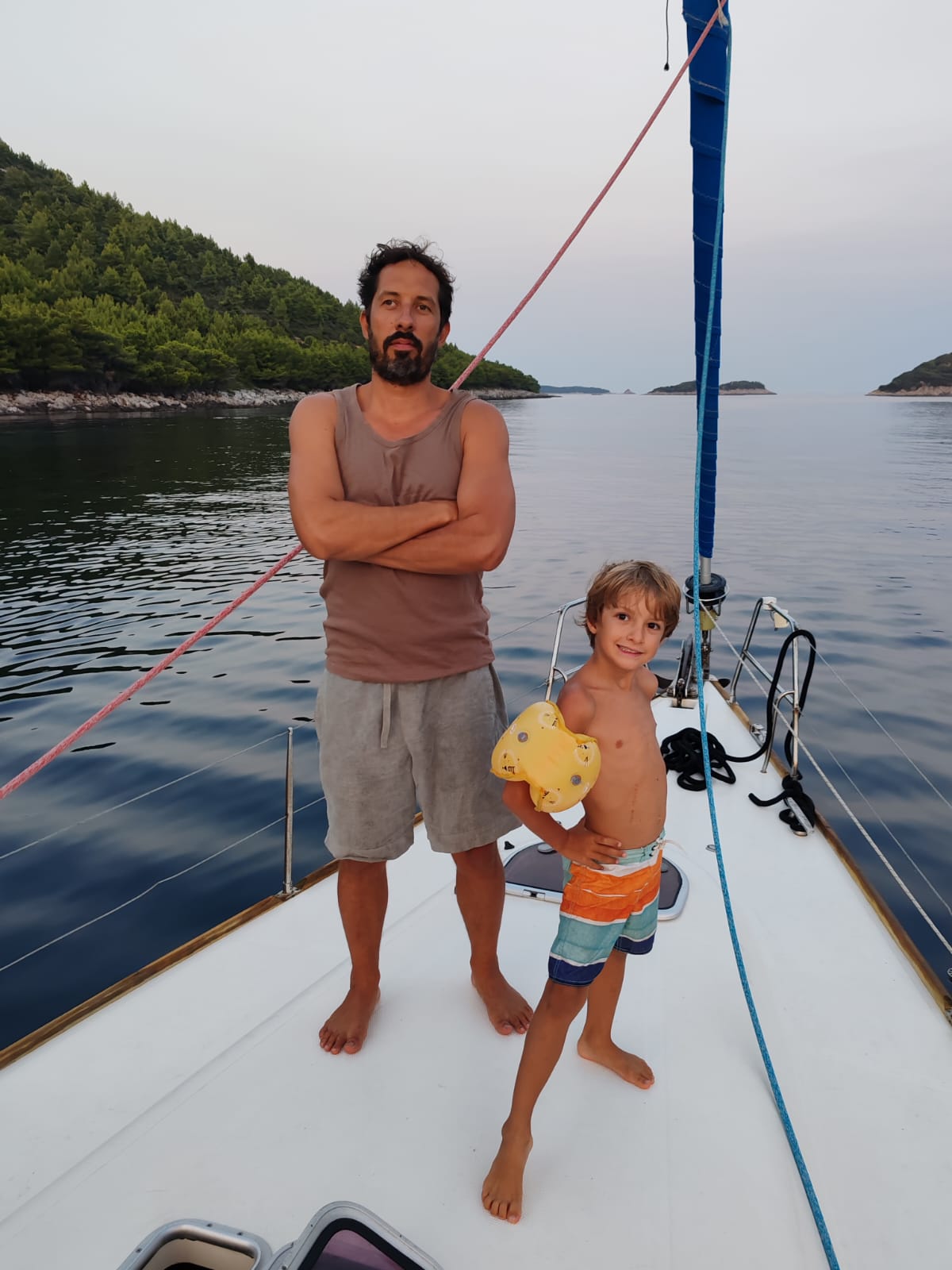
A predictable routine can make learning easier while traveling. You might set aside focused learning time in the morning and leave afternoons for excursions, outdoor activities, or local experiences. The exact schedule should reflect your children's needs and your family's travel pace.
4. Pack the Right Resources
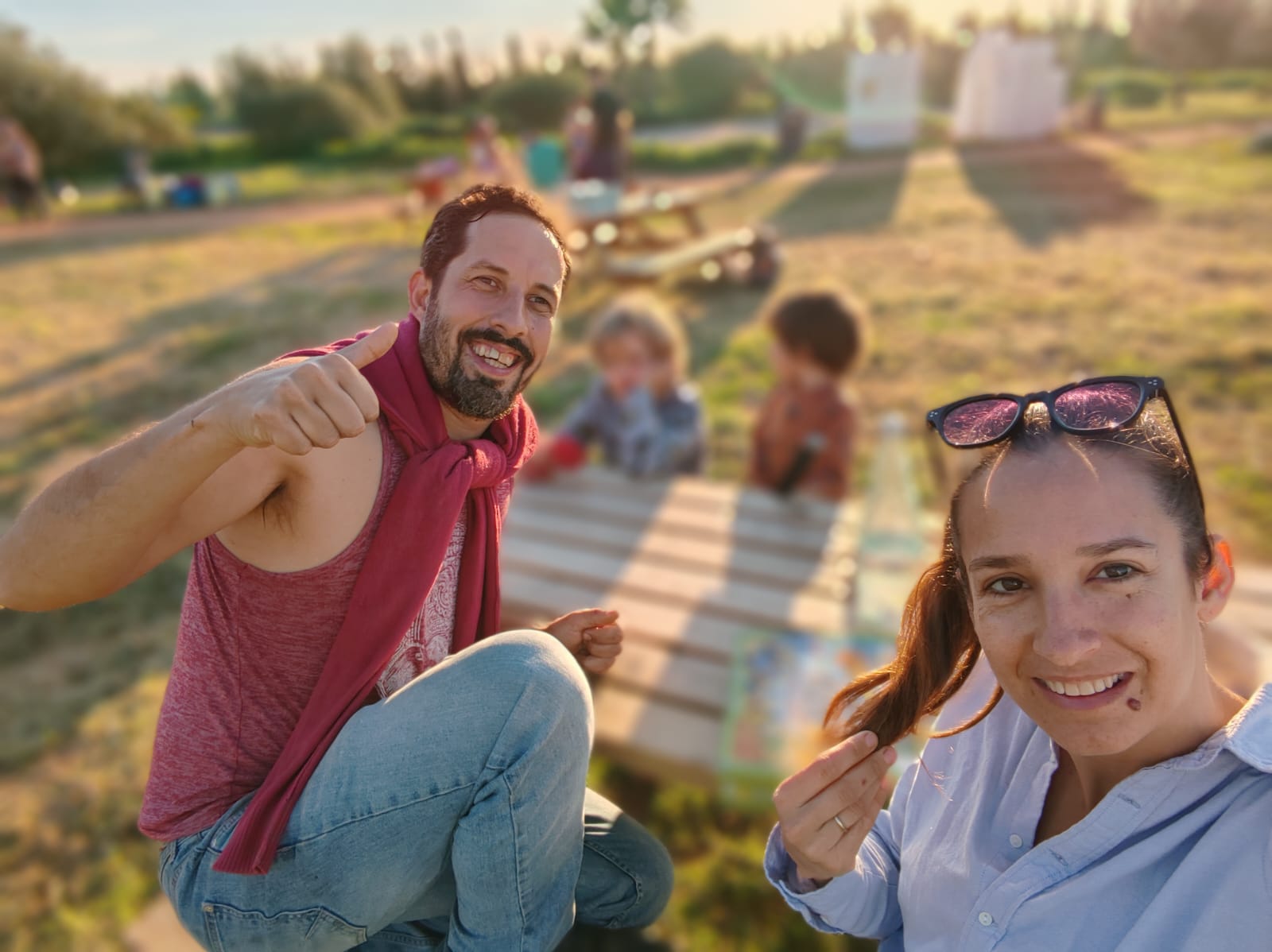
Choose materials that are useful and portable. Depending on your approach, these might include books, notebooks, art supplies, a device, downloaded learning resources, and offline activities. Reliable internet is helpful, but having offline options can prevent disruption when connections are weak.
5. Use Travel as a Learning Resource
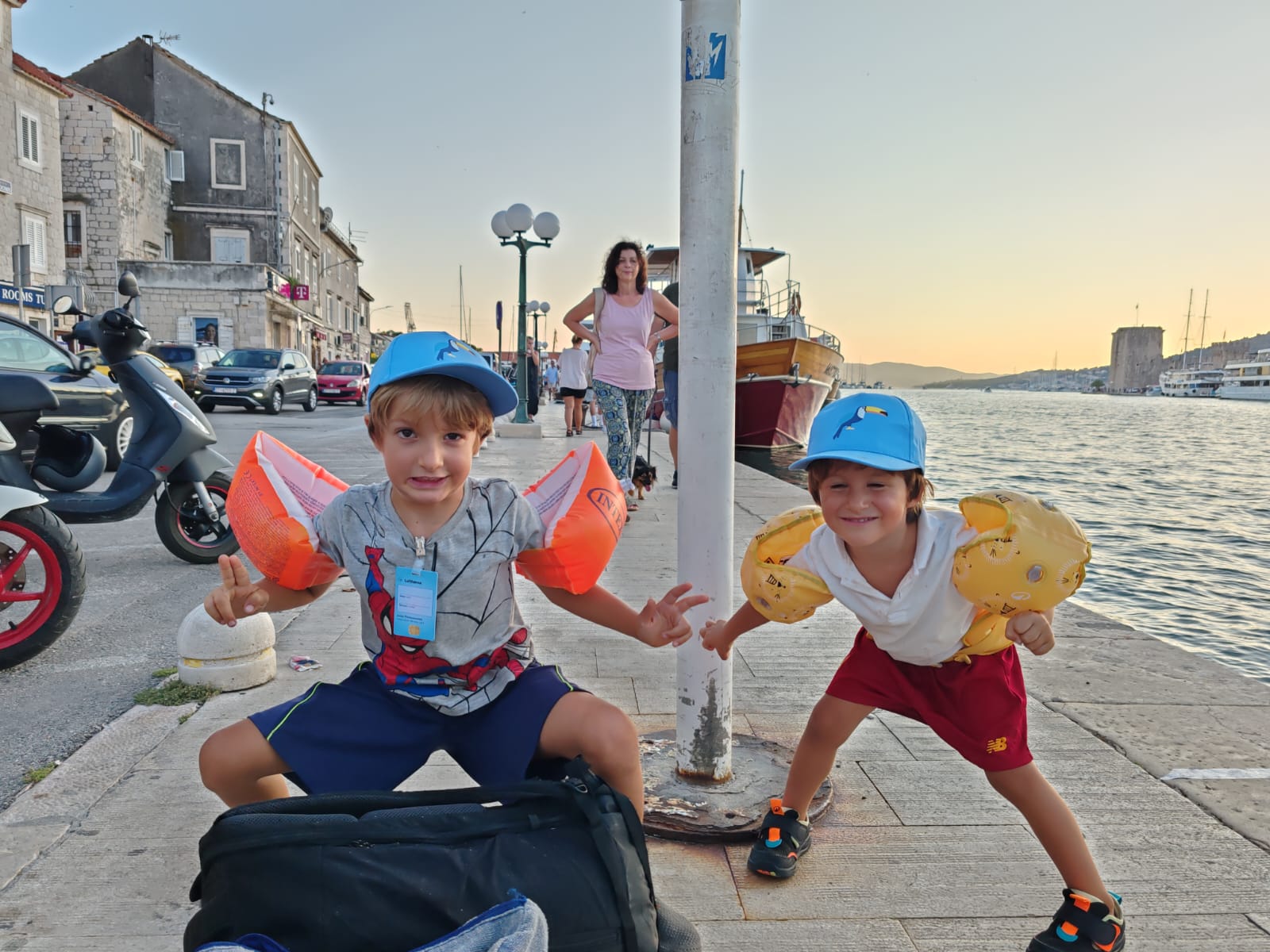
Destinations can inspire geography, history, science, art, and language learning. A market visit can lead to conversations about food and local agriculture. A nature walk can encourage observation. A historic site can prompt research into how people lived in the past. These experiences can complement learning goals without requiring every outing to become a formal lesson.
6. Keep Records Where Needed
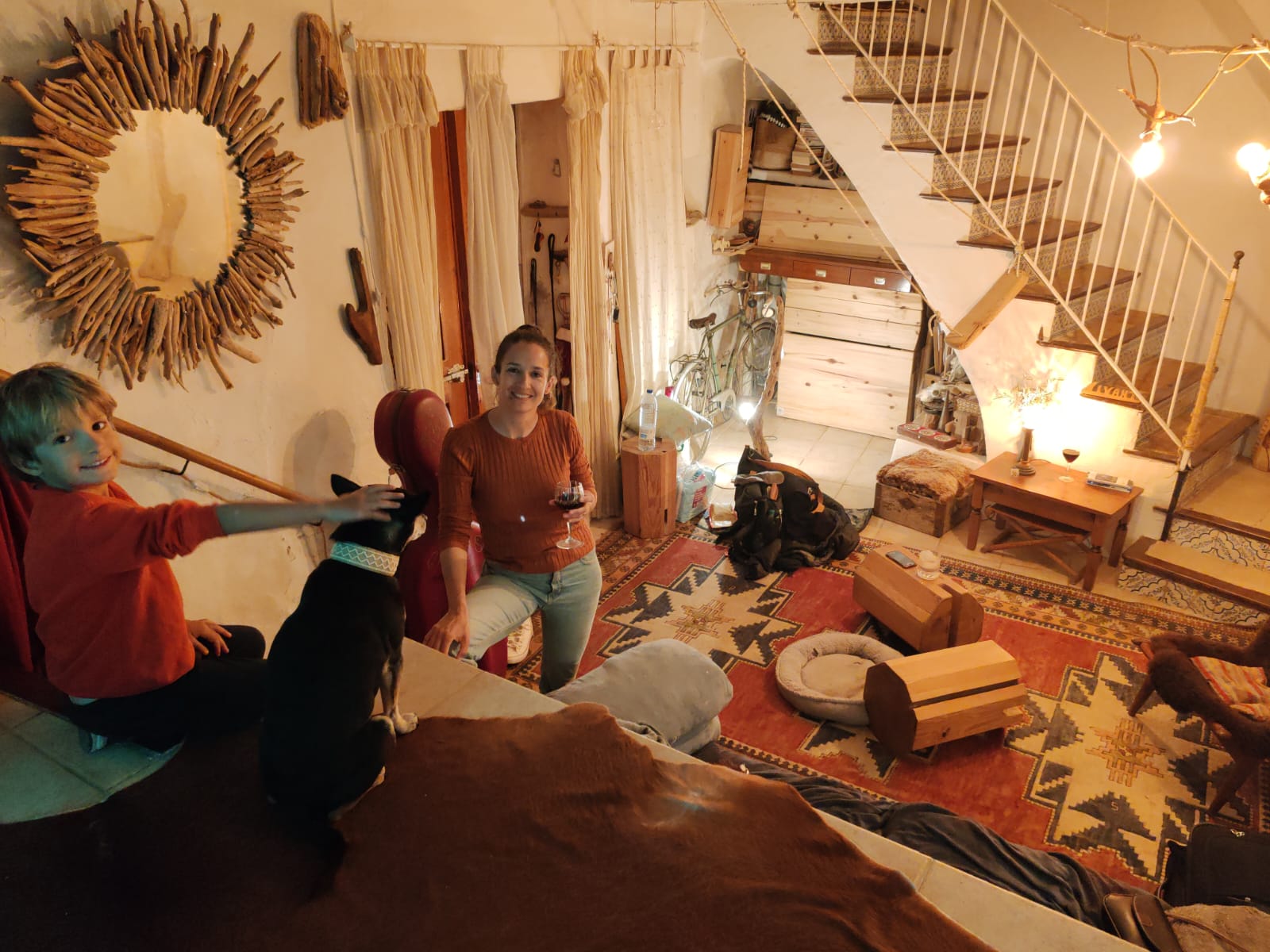
Depending on your educational arrangement, you may need to maintain records of learning, attendance, assignments, or progress. Find out what is required and choose a simple system that you can maintain while traveling.
7. Support Social Connections
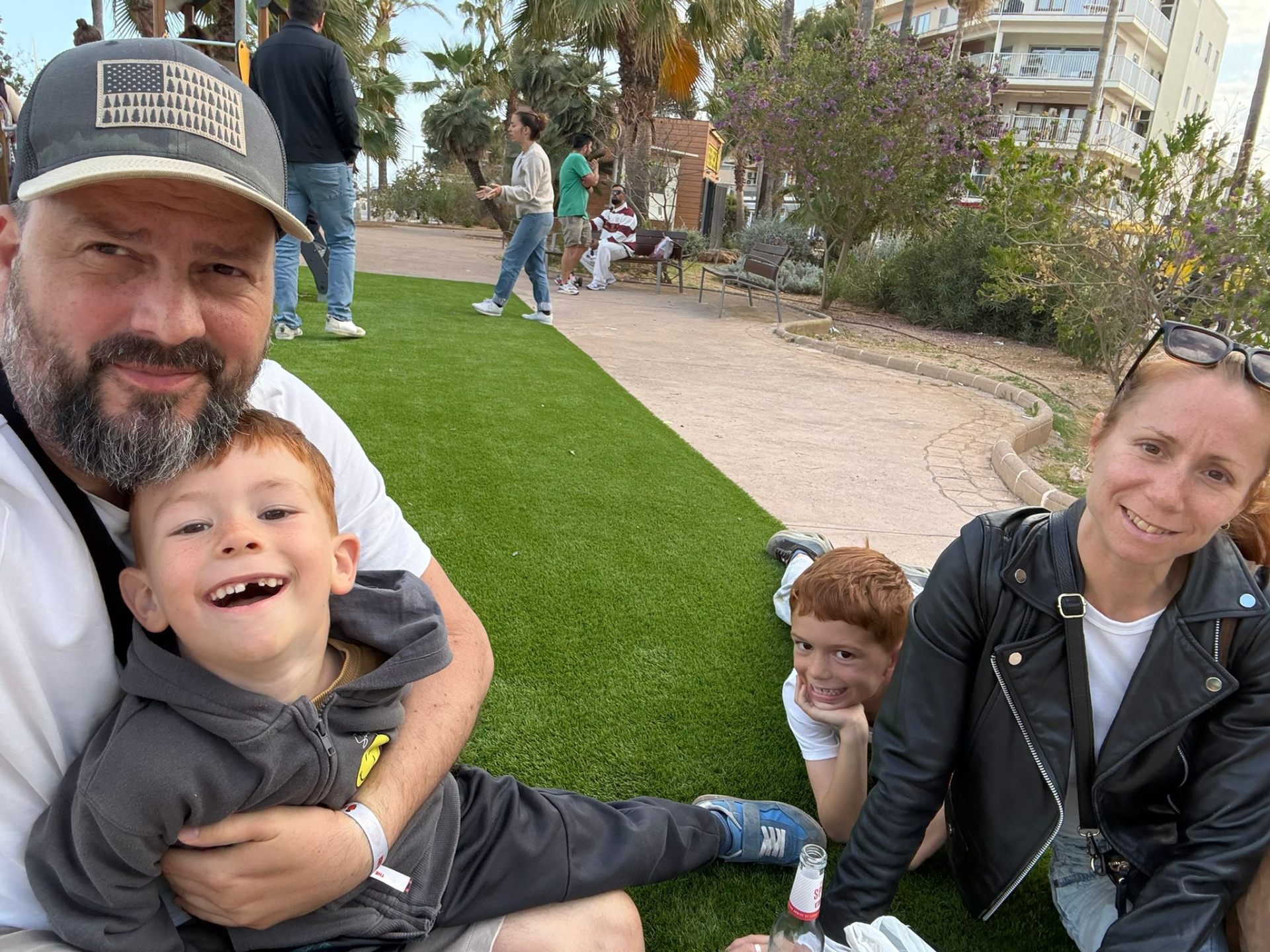
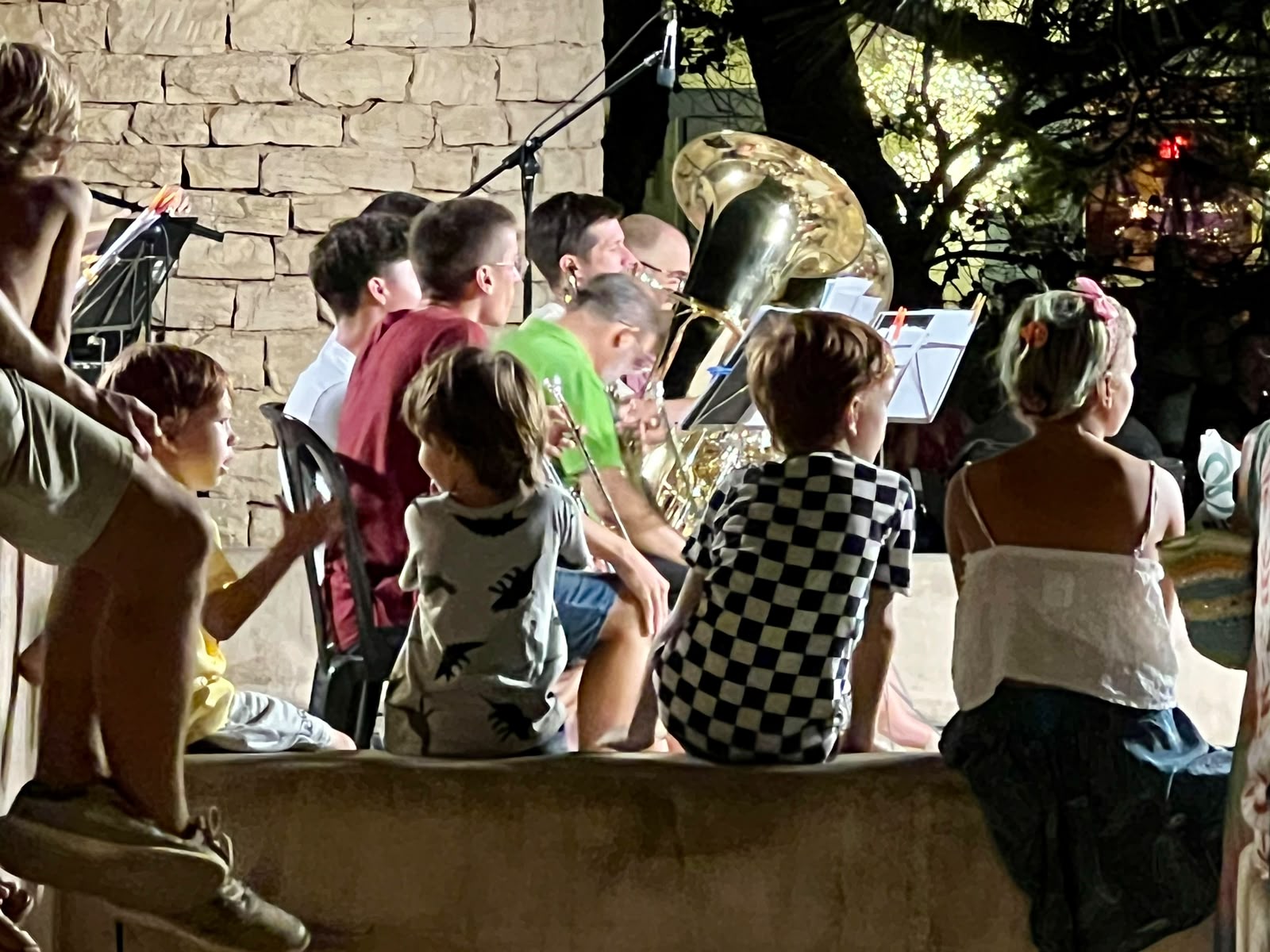
Children need opportunities to connect with others, whether through sports, workshops, local activities, community groups, or other traveling families. Longer stays may make it easier to see the same people repeatedly and build friendships. Families Planet is designed to help traveling families discover potential connections and places. It can be one starting point for finding relevant family activities, alongside local groups and community resources.
8. Balance Structure With Flexibility
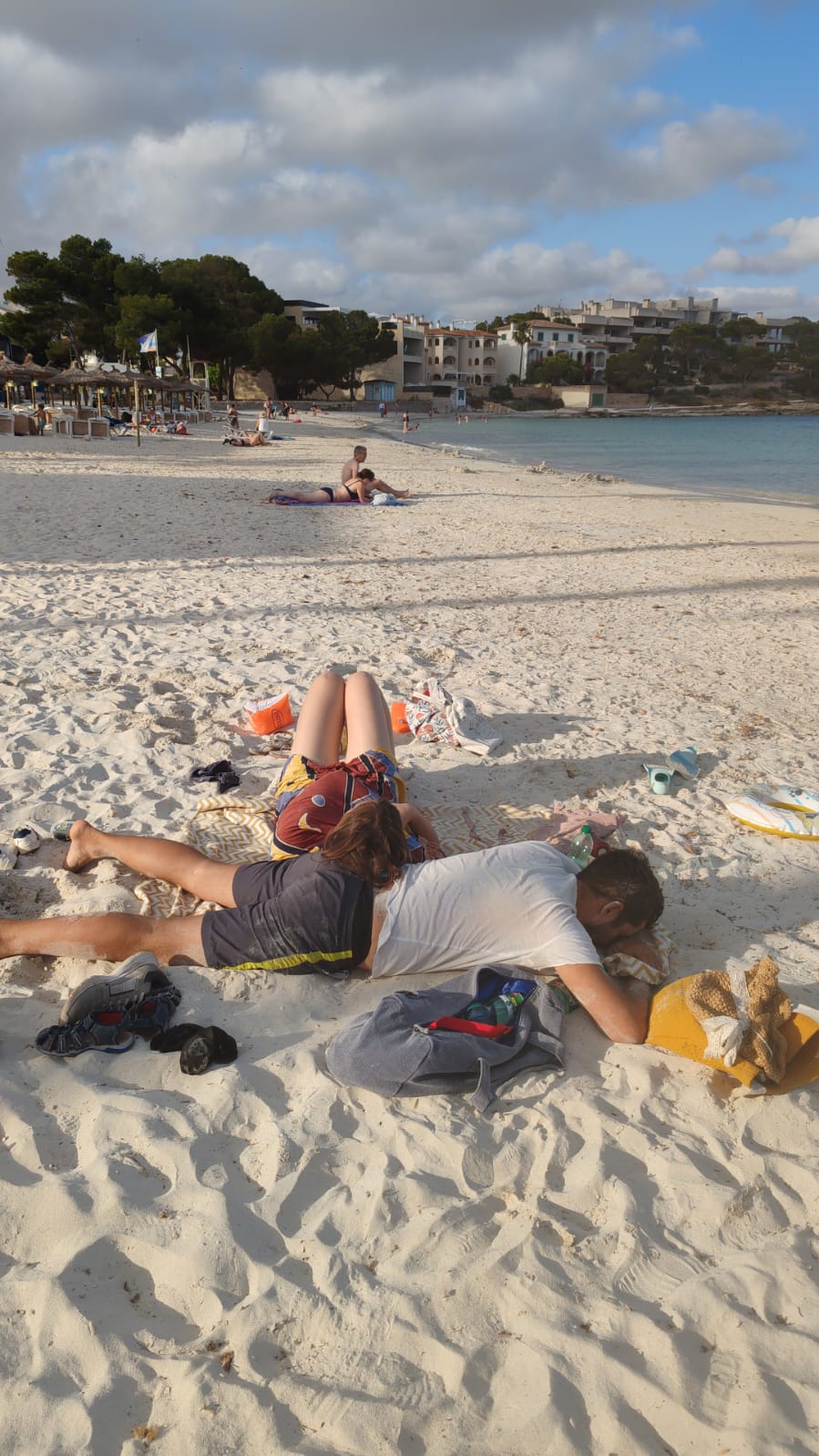
Travel can bring unexpected discoveries and changes. A flexible plan helps you adapt without abandoning learning altogether. Avoid overloading every day; children also need rest, play, and unstructured time.
Is Homeschooling While Traveling Right for Your Family?
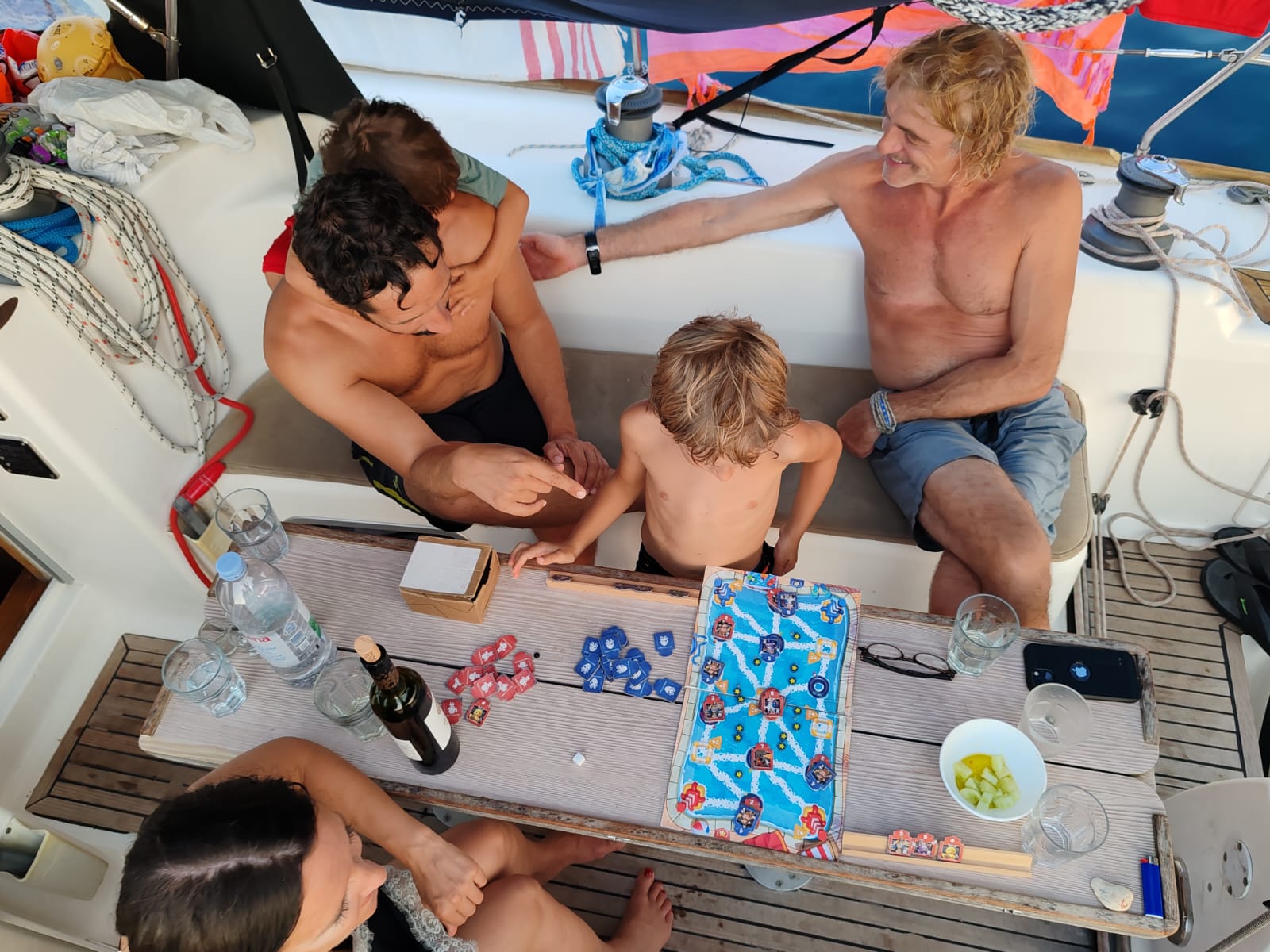
It can work well for some families, but it requires realistic planning and attention to each child's needs and the rules that apply. Research first, create a manageable routine, and review the arrangement regularly. The goal is to support your children's education while making space for the experiences that inspired your journey. Discover places and potential connections with traveling families through Families Planet.