 Families Planet
How to Find Worldschooling Families Near You
· 10 min read
Written by a family that actually lives this. We've moved around Europe and Asia with our kids, love a long board-game evening (ask us about Catan), and run Families Planet from Mallorca. Below is what we'd tell a friend, kept practical. Where something depends on your country or your kids, we say so.
One of the biggest questions parents ask when exploring worldschooling is simple: How do you find other worldschooling families?
You might be travelling through Europe with your children, spending a few months abroad, homeschooling while travelling, or simply looking for families who share your approach to education.
You know there are other families out there doing something similar. But how do you find them when you arrive somewhere new?
Meeting other worldschooling families can make a real difference to your experience. Children get opportunities to make friends, parents can exchange practical advice, and your family can become part of a community even when your lifestyle involves moving between destinations.
The good news is that you do not have to rely entirely on chance encounters.
Here are seven practical ways to find worldschooling families, discover meetups and build connections wherever your family goes.
1. Join Online Worldschooling Communities
Online communities are often the easiest place to start looking for other worldschooling families.
Parents use these groups to ask questions, share experiences, organise informal meetups and exchange information about destinations.
When searching, try phrases such as:
- Worldschooling families
- Worldschooling community
- Worldschooling groups
- Worldschooling families in Europe
- Worldschooling families in Spain
- Worldschooling meetups
- Homeschooling while travelling
You can also add the name of a specific city, island or region to narrow your search.
For example, searching for worldschooling families in Portugal may help you discover a group relevant to an upcoming trip, while a broader international community may be useful when planning several destinations.
The key is to look for active communities, not just large ones.
Check whether members regularly post updates, respond to questions and organise real-world activities. A smaller group with families in your destination may be more useful than a large international group whose members are scattered around the world.
When joining a community, introduce your family and explain where you are going, how long you plan to stay and what kind of connections you are hoping to make.
A specific introduction makes it easier for the right people to find you.
2. Search for Worldschooling Families by Destination
A worldschooling community can be valuable, but finding families in the same location is often the real challenge.
You may connect with parents who live on another continent, only to discover that nobody in the group will be near your next destination.
That is why location-specific searches are important.
Try combinations such as:
- Worldschooling families in Mallorca
- Worldschooling families in Spain
- Worldschooling in Portugal
- Traveling families in Italy
- Homeschooling families in Greece
- Family meetups in your destination
Do not limit your search to the word worldschooling. Some families use terms such as travelling families, digital nomad families, roadschooling or homeschooling abroad.
These groups may include parents with similar interests, even if they describe their lifestyle differently.
You can also search for family-friendly workshops, educational activities, local gatherings and children's events. These are often natural opportunities to meet parents who are open to making new connections.
3. Use a Map-Based Community to Discover Families and Places
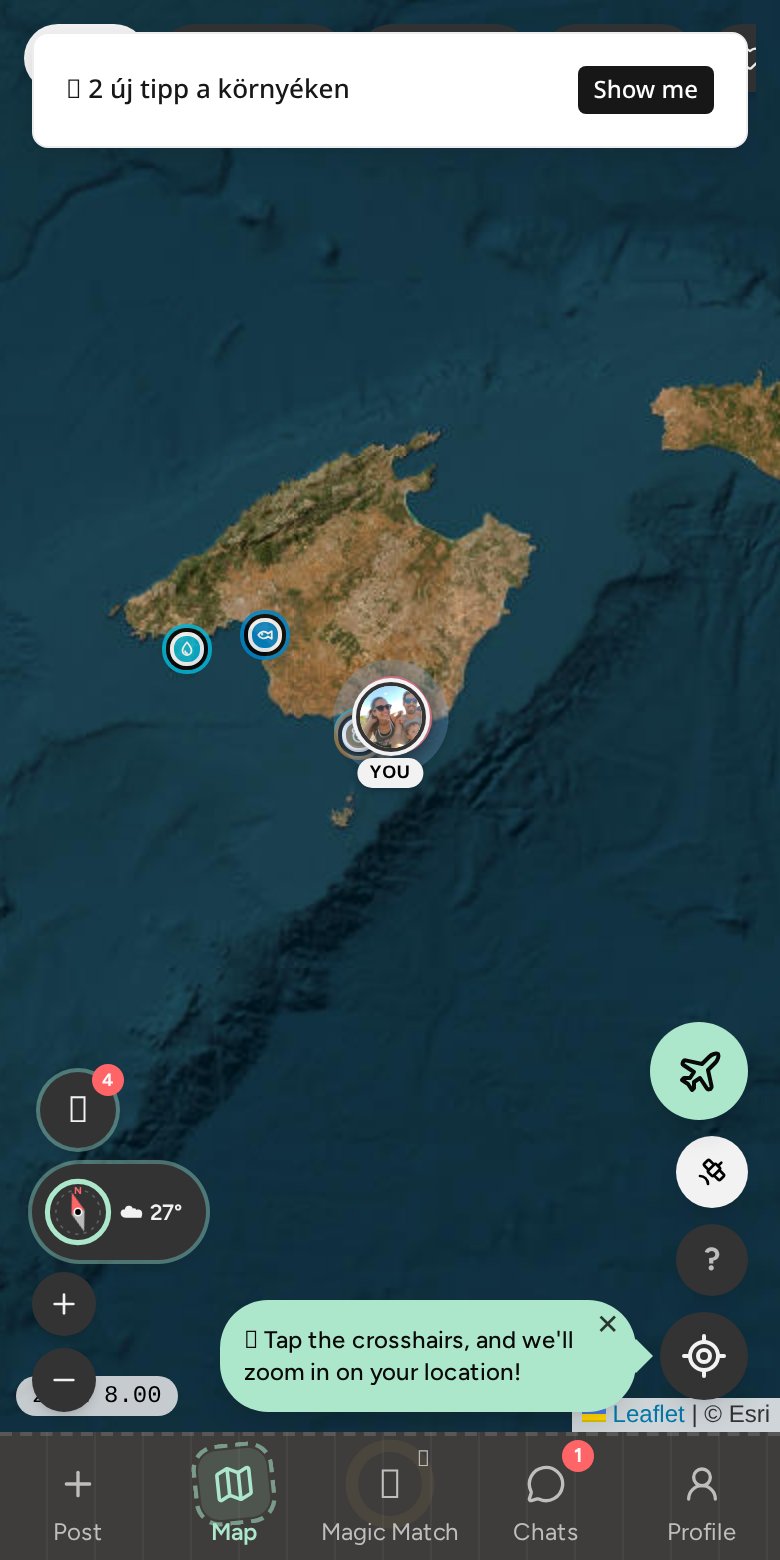
Searching through social media posts can take time. Information may be spread across different groups, and it is not always easy to understand what is happening near your current destination.
A map-based platform can offer a more practical starting point by bringing location-related information together.
For travelling families, useful features may include:
- Discovering family-friendly places in an unfamiliar destination.
- Finding events and activities that children can enjoy.
- Exploring community information connected to particular locations.
- Discovering opportunities to meet families with similar interests.
- Planning activities around the places you intend to visit.
Families Planet is designed around this idea, bringing together a map, places, events and community discussions for families.
Instead of treating every destination as a completely new beginning, families can use a community platform to explore what is available and look for opportunities to connect.
The broader goal is to make it easier to discover the people, places and experiences that can turn travelling into a more connected family lifestyle.
4. Attend Worldschooling Meetups and Family Gatherings
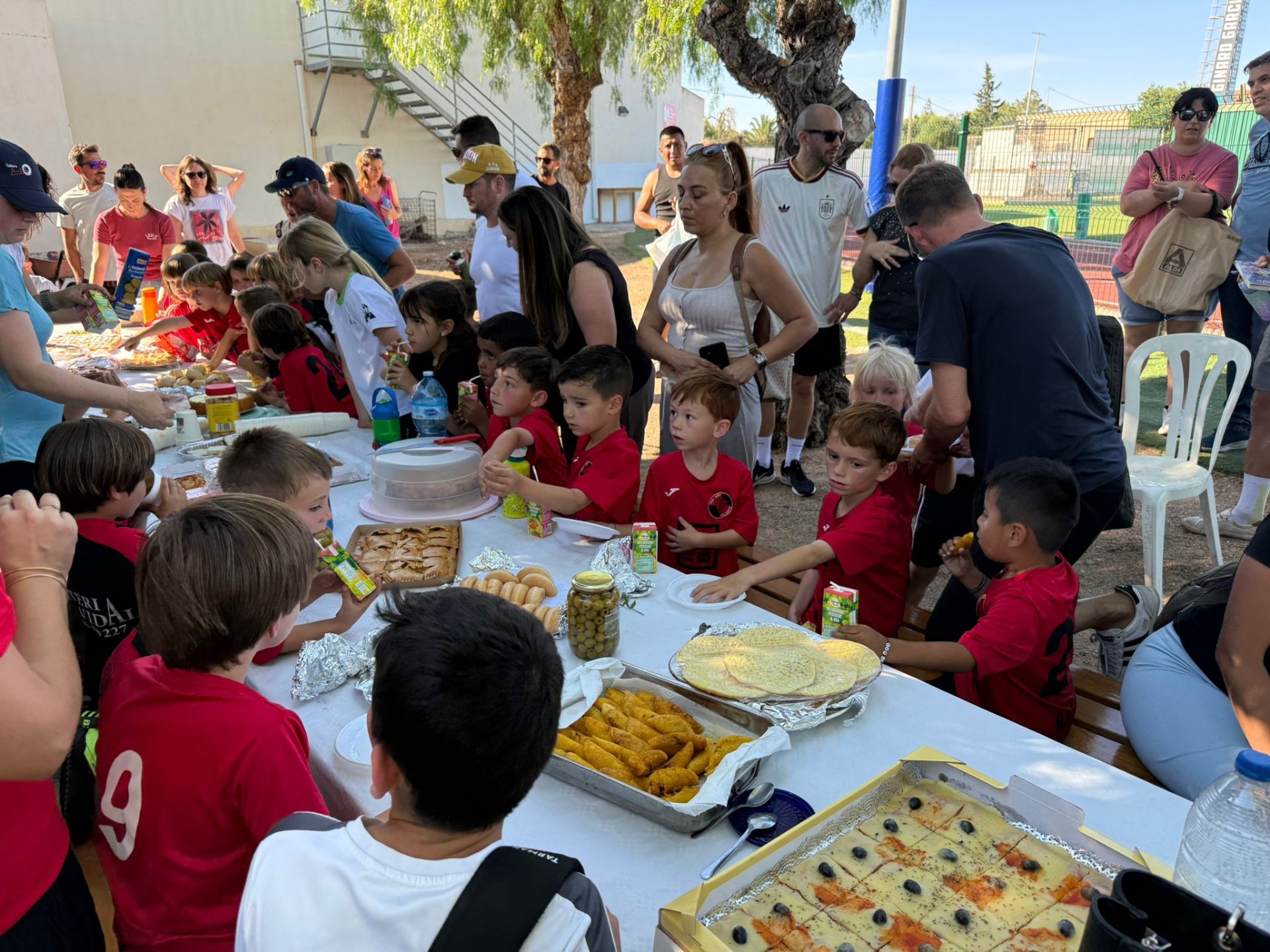
Online conversations are useful, but meeting in person can help friendships develop more naturally.
Worldschooling meetups can take many forms. Some are organised gatherings with planned activities, while others are informal meetings arranged by parents in a local community.
Depending on the location, you might find:
- Educational workshops.
- Nature walks and outdoor activities.
- Language exchanges.
- Museum visits.
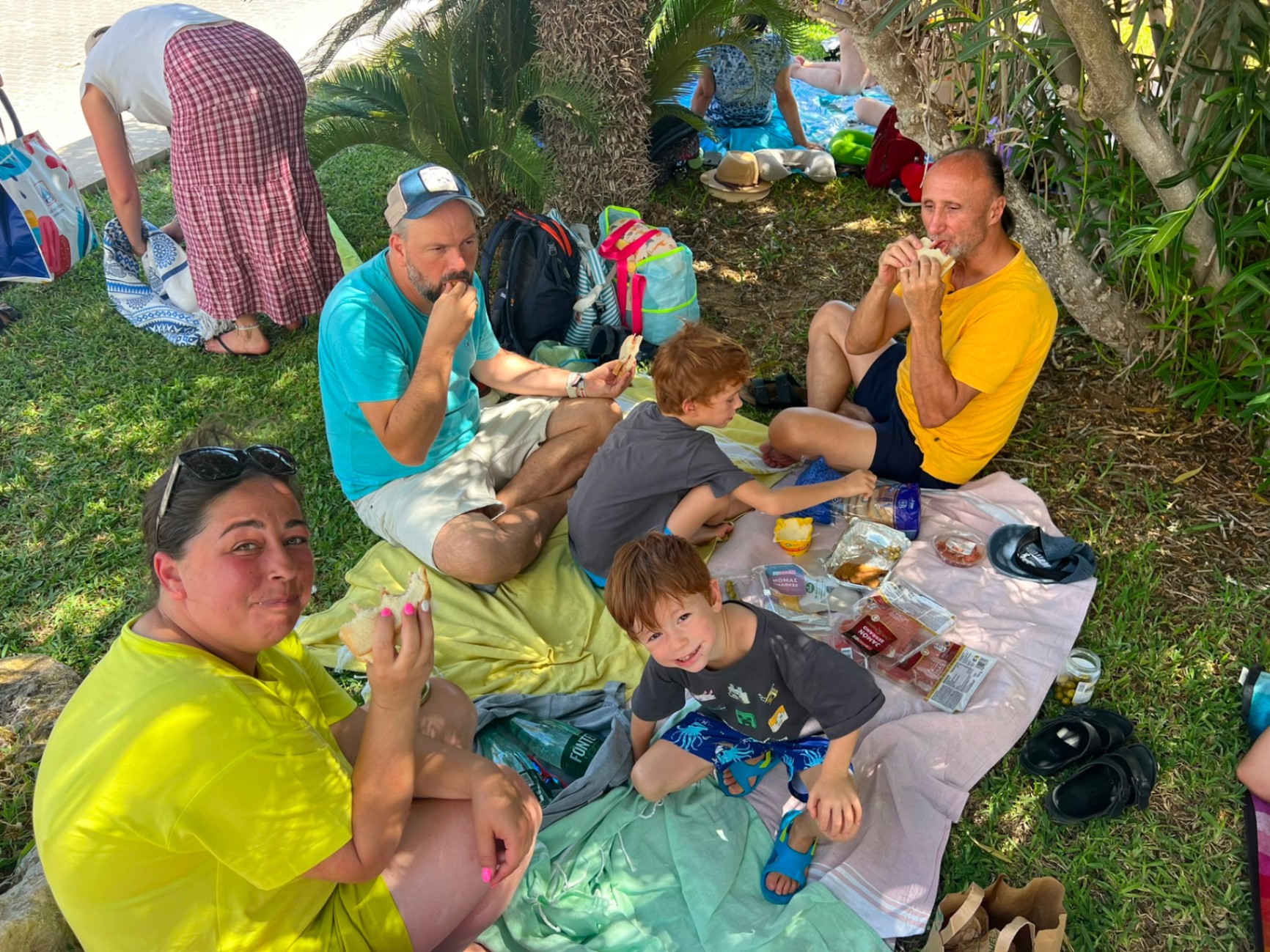
- Beach days and picnics.
- Creative workshops for children.
- Longer worldschooling gatherings or learning programmes.
Before attending, check the format, cost, location, age range and expectations.
Some gatherings are designed for families who stay in one place for several weeks. Others are suitable for people passing through for a few days.
Think about what works best for your children. A relaxed afternoon in a park may be a better first experience than a large, structured event.
You do not need to find the perfect group immediately. Every meetup is an opportunity to discover what kind of community suits your family.
5. Connect With Digital Nomad and Travelling Families
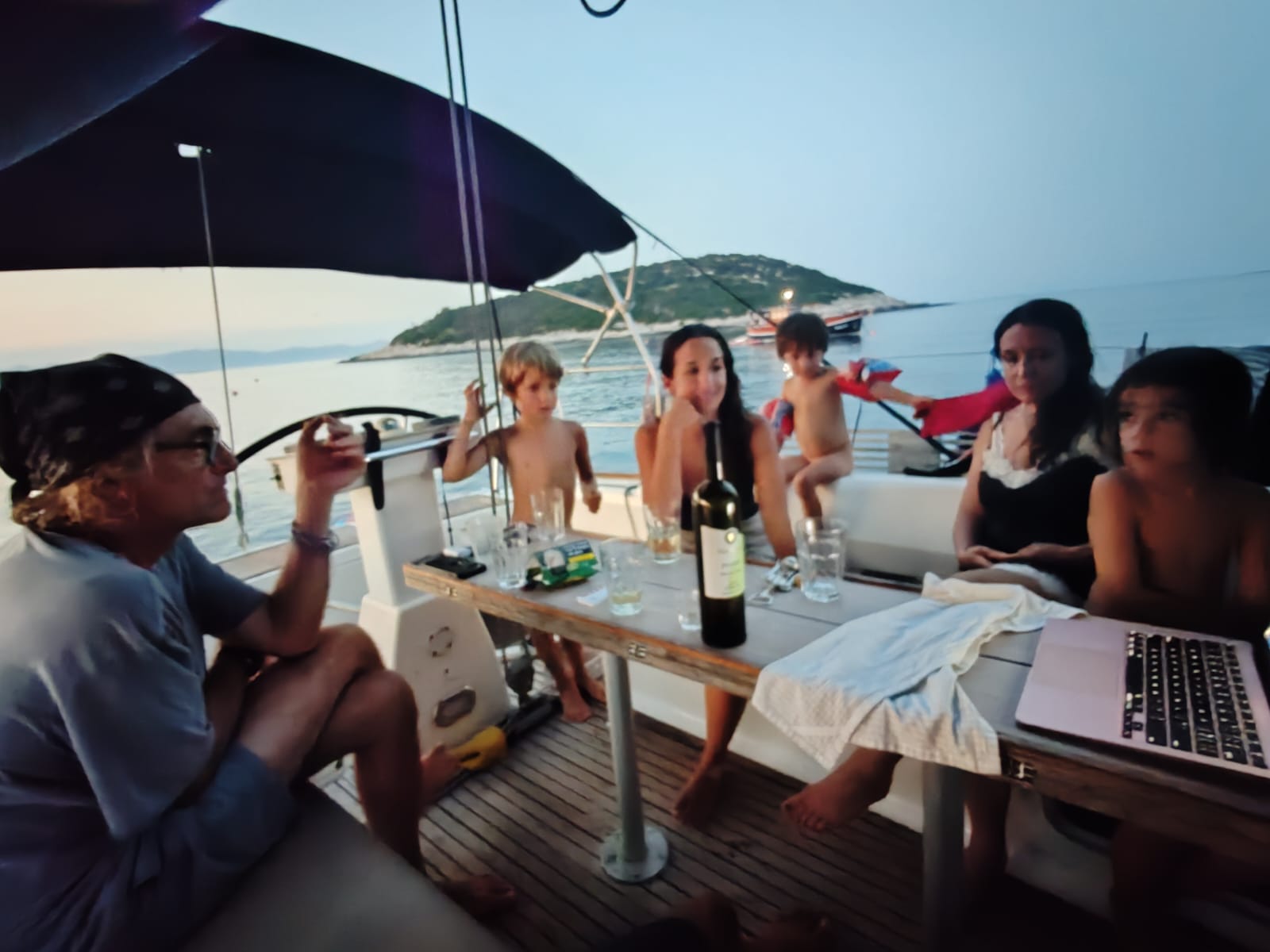
Not every family that travels and learns outside a conventional classroom identifies as a worldschooling family.
Some parents describe themselves as digital nomads because they work remotely while travelling. Others use terms such as full-time travelling families, slow-travel families, roadschoolers or homeschooling families abroad.
These communities can overlap.
A digital nomad family may be looking for playmates for their children. A family travelling in a campervan might want to share outdoor activities with others. A homeschooling family staying abroad for several months may be interested in educational meetups.
If your search for worldschooling families produces few results, broaden your search to include these related communities.
Focus on what you actually want to share: a destination, an activity, an educational interest or an opportunity for your children to spend time with other kids.
You may discover that families with different labels have remarkably similar needs.
6. Build Friendships Through Shared Activities
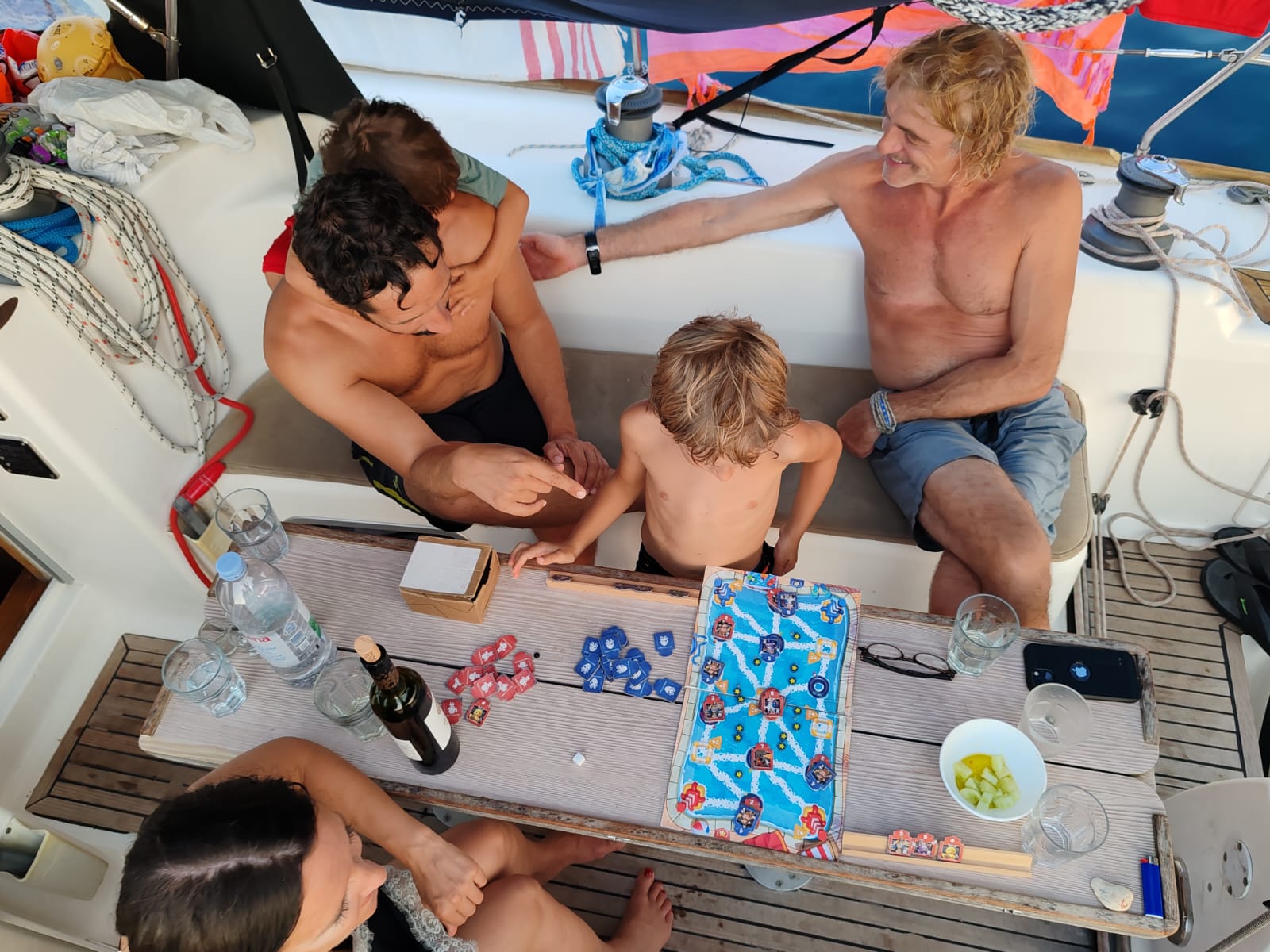
Finding other worldschooling families is only the first step. Building a connection often becomes easier when you have something to do together.
Rather than organising a formal introduction, suggest a simple shared activity.
For example:
- Meet at a playground.
- Explore a local nature trail.
- Spend an afternoon at the beach.
- Visit a museum with child-friendly exhibits.
- Organise a picnic.
- Join a creative workshop.
- Explore a local market together.
Activities give children something to focus on and help parents start conversations naturally.
They also allow everyone to get to know each other without the pressure of making an immediate friendship.
If the first meeting goes well, arrange another one. Repeated contact can help children become more comfortable with each other and give parents a chance to build stronger relationships.
When possible, stay in one destination long enough to develop a routine. Returning to the same playground, activity group or community gathering makes it easier to see familiar faces.
7. Stay Connected When Families Move On
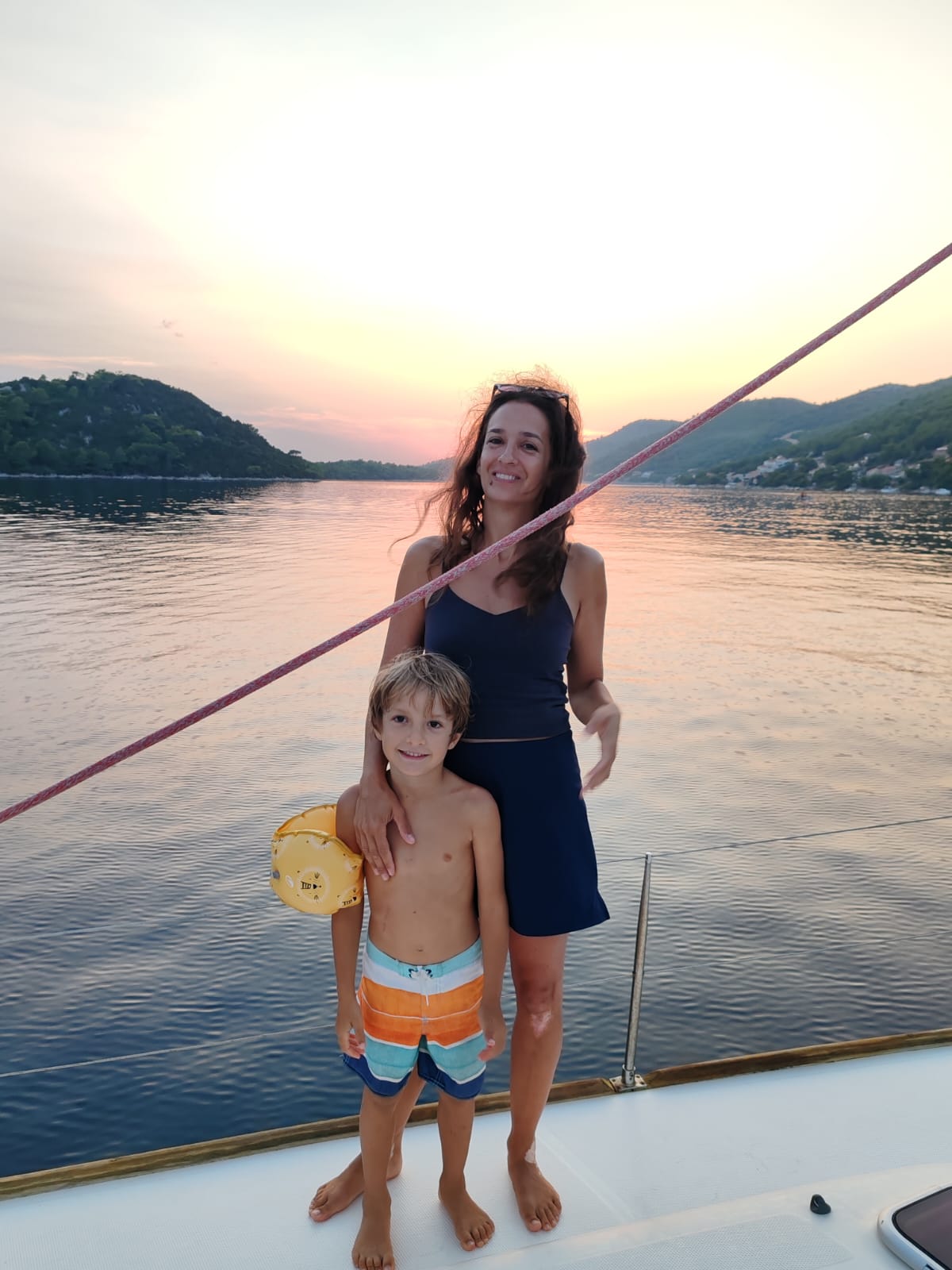
One of the challenges of a travelling lifestyle is that people you meet may leave after a few days or weeks.
Your children might become friends with another family, only for your routes to separate soon afterwards.
That does not mean the friendship has to disappear.
With the parents' agreement, exchange contact details and keep in touch. Share general travel plans if you feel comfortable doing so, and look for opportunities to meet again.
You might discover that both families are planning to visit the same country later in the year. Or perhaps you can arrange a longer stay together at a future destination.
Over time, these connections can become a valuable network of friends in different places.
A community is not only about finding people who happen to be nearby today. It is also about maintaining relationships as your family's journey evolves.
How Can You Help Your Children Make Friends While Travelling?
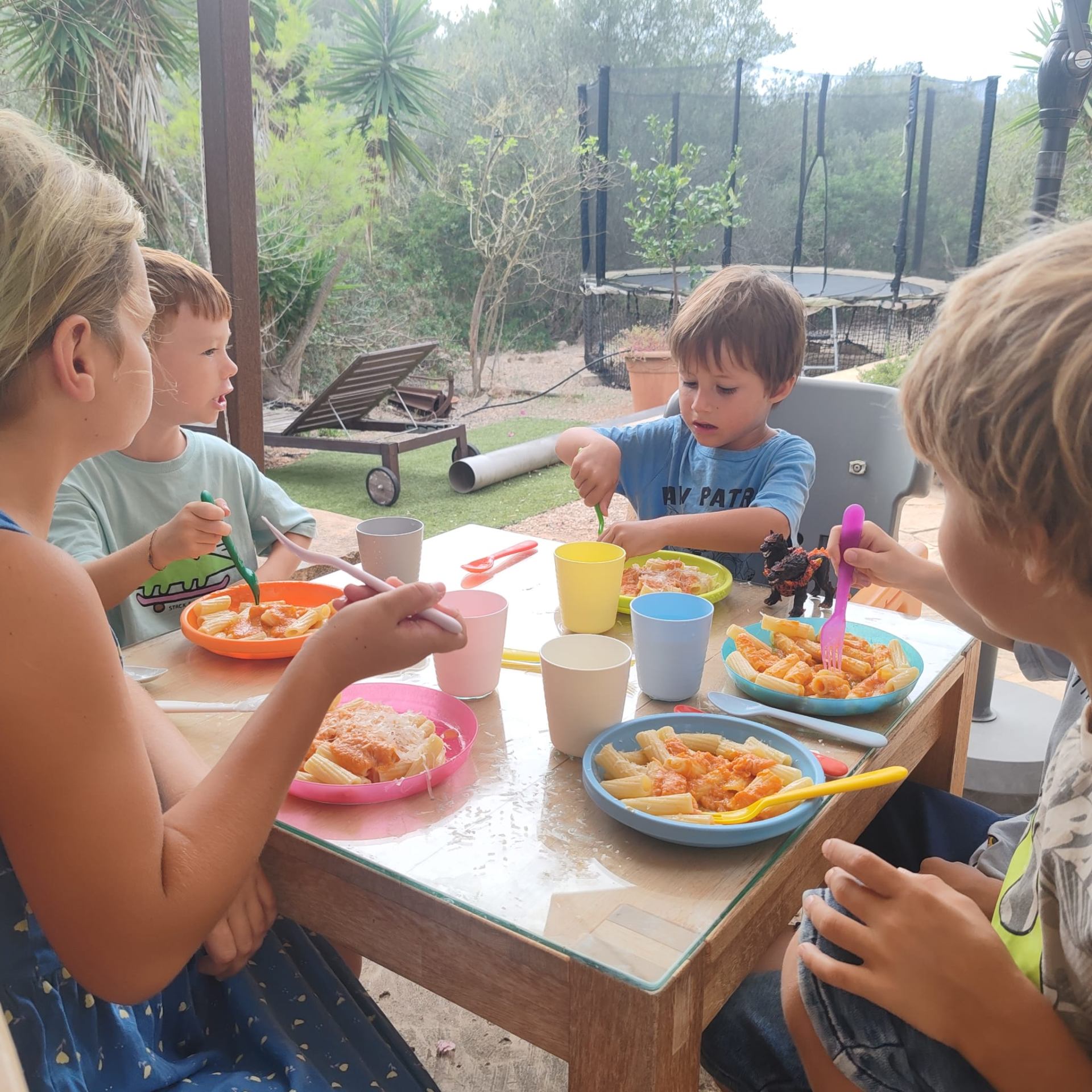
For many parents, finding worldschooling families is not just about meeting other adults. It is also about helping their children develop meaningful friendships.
Children have different social needs. Some quickly approach other kids, while others need time to feel comfortable in a new environment.
A few practical ideas can help:
Choose age-appropriate activities. Look for events and gatherings where children can interact naturally.
Allow time for friendships to develop. A single meeting may not be enough, especially for younger or more reserved children.
Consider longer stays. Spending several weeks in one place can provide more opportunities for repeated contact.
Include your children's interests. Sports, art, nature, games and creative activities can provide natural starting points for friendships.
Avoid putting too much pressure on every encounter. Not every family will become a close friend, and that is normal.
It is also important to remember that travelling does not have to mean constantly making new friends. Children may benefit from a balance between meeting new people, maintaining familiar relationships and having time to themselves.
How Do You Find Worldschooling Families Safely?
Connecting with new people online can be helpful, but families should be thoughtful when arranging in-person meetings.
Before meeting someone you have only spoken to online, take time to get to know the other parents.
For a first meeting:
- Choose a public place.
- Tell someone you trust where you are going.
- Make sure the arrangement feels comfortable for your children.
- Avoid sharing unnecessary personal information.
- Do not publish your exact accommodation or detailed daily routine.
- Trust your judgment if something does not feel right.
You can discover potential connections without making your family's private information publicly available.
Any community or platform used for meeting other families should make it possible for parents to exercise control over what they share and how they interact with others.
What If There Are No Worldschooling Families Near You?
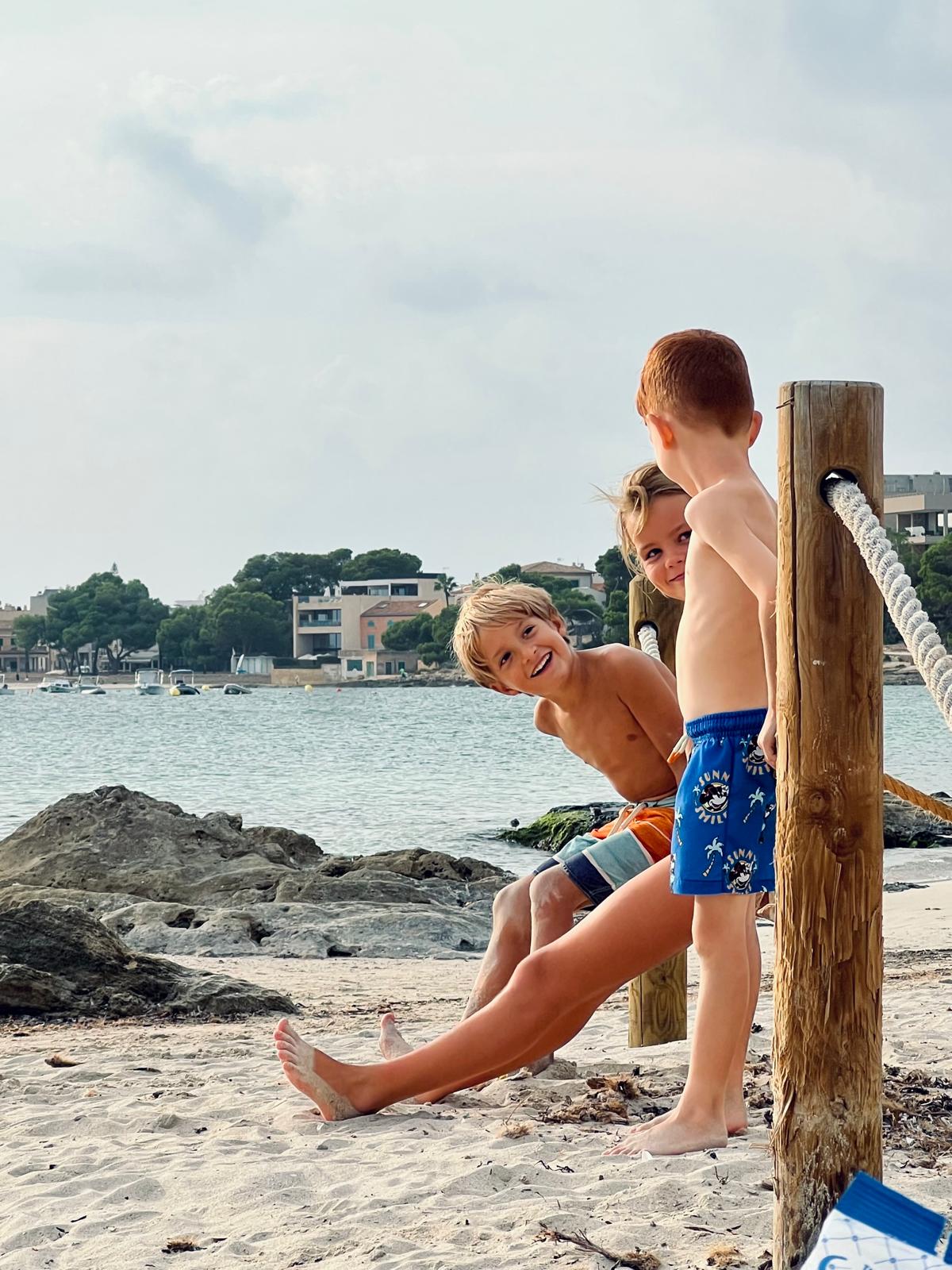
Sometimes you may search carefully and still struggle to find a relevant group.
This does not necessarily mean there are no families nearby. They may use different terminology, belong to informal communities or simply not be active in the groups you have found.
Try these approaches:
Expand your search terms. Look for travelling families, homeschooling abroad, digital nomad families and family meetups.
Search for activities rather than labels. A nature group, language exchange or children's workshop may connect you with like-minded parents.
Suggest a meetup yourself. A simple invitation in a relevant community can help bring together families who were also looking for connections.
Explore neighbouring destinations. If your plans are flexible, you may discover more opportunities by looking at nearby towns or regions.
Give it time. Building a community rarely happens overnight. A few conversations may eventually lead to a network of families who meet regularly.
You do not need dozens of connections. Even finding one or two families with whom you genuinely connect can make a meaningful difference.
Start Building Your Worldschooling Community
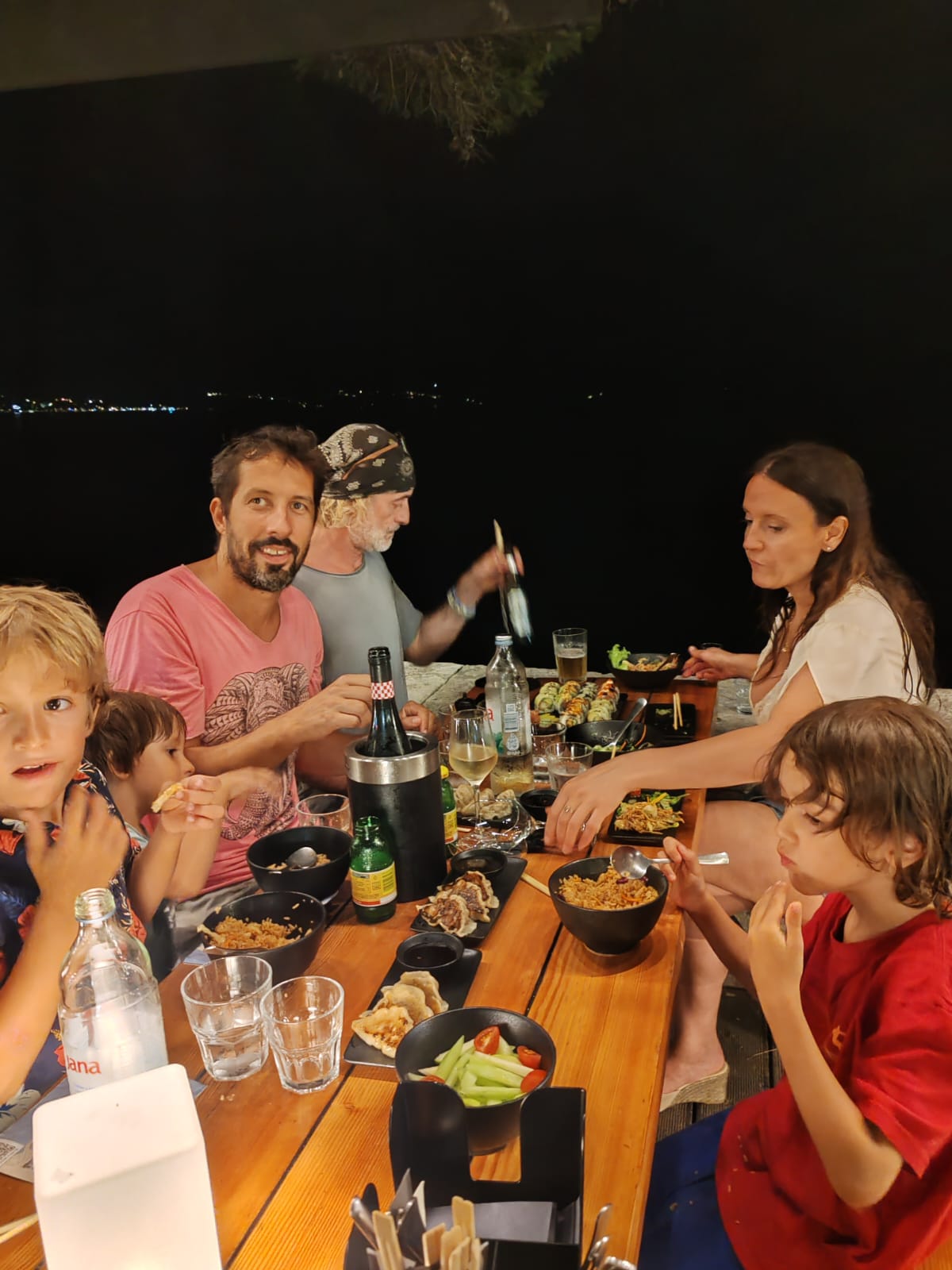
Finding worldschooling families can take some initiative, but you do not have to rely entirely on chance.
Start by exploring online groups, searching for families in your destination and looking for events that bring people together. Broaden your search beyond the word worldschooling, and remember that shared interests often matter more than the label someone uses.
When you meet a family you connect with, take the opportunity to stay in touch. Friendships can continue across destinations, and a community can grow over time as your journeys overlap.
Families Planet helps families explore places, events and community connections in one place. Whether you are planning your next destination or already travelling with children, it is a starting point for discovering opportunities to connect with other families.
The world is full of families exploring, learning and growing together. Your next travel friend may be closer than you think.
Frequently asked questions
How do I find worldschooling families near me?
Start by searching online worldschooling groups alongside your city or region. Also explore travelling-family communities, local educational events and family activities. Map-based community platforms can help you discover relevant places and opportunities in your destination.
Where can I meet other worldschooling families?
You can meet other worldschooling families through online communities, worldschooling meetups, educational gatherings, workshops and family-friendly activities. Local events and shared interests can also create opportunities to connect.
Are worldschooling families part of homeschooling communities?
Some are. Worldschooling and homeschooling can overlap, but the terms describe different aspects of family education. Many families combine structured home education with learning through travel and real-world experiences.
How can I find worldschooling groups in Europe?
Search for worldschooling groups together with the name of a country or region. You can also look for travelling-family communities, homeschooling groups, digital nomad families and events that welcome families with children.
How do travelling families help children make friends?
Many families look for recurring activities, longer stays and opportunities to meet the same children more than once. Sports, creative workshops, outdoor activities and informal meetups can help friendships develop naturally.
Can I meet other travelling families without joining an organised programme?
Yes. Online communities, local events, family-friendly places and informal meetups can all help you make connections. Organised worldschooling programmes are one option, not a requirement.
How can Families Planet help worldschooling families?
Families Planet brings together a map, places, events and community discussions designed around families. It aims to make it easier to explore relevant opportunities and connect with others while travelling.