 Families Planet
How to Start Worldschooling: A Step-by-Step Plan
· 3 min read
A quick note before you read: this isn't theory for us. We're a travelling family (Italy, Spain, Thailand, Morocco, Indonesia, now based in Mallorca), and we built Families Planet because we kept wishing we could find other families on the road. Below is what we'd tell a friend, kept practical. Where something depends on your country or your kids, we say so.
Worldschooling can sound like a major lifestyle change, especially when you see families travelling between countries and learning on the move. But getting started does not have to mean selling your belongings or booking a year-long trip. A thoughtful first step is to decide what you want your children to experience and test a manageable approach.
Step 1: Define Your Reasons
Write down why worldschooling appeals to you. You might want more cultural experiences, a flexible family routine, deeper time outdoors or a way to connect school subjects with real life. Your reasons will help you make choices when budget, time and practical needs create trade-offs.
Step 2: Understand Your Education Responsibilities
Before changing schooling arrangements, research the requirements that apply to your family. Rules differ by country and personal circumstances, and worldschooling is not a universal legal exemption from school attendance. Consult current official sources or a qualified adviser where necessary.
Step 3: Start Small at Home
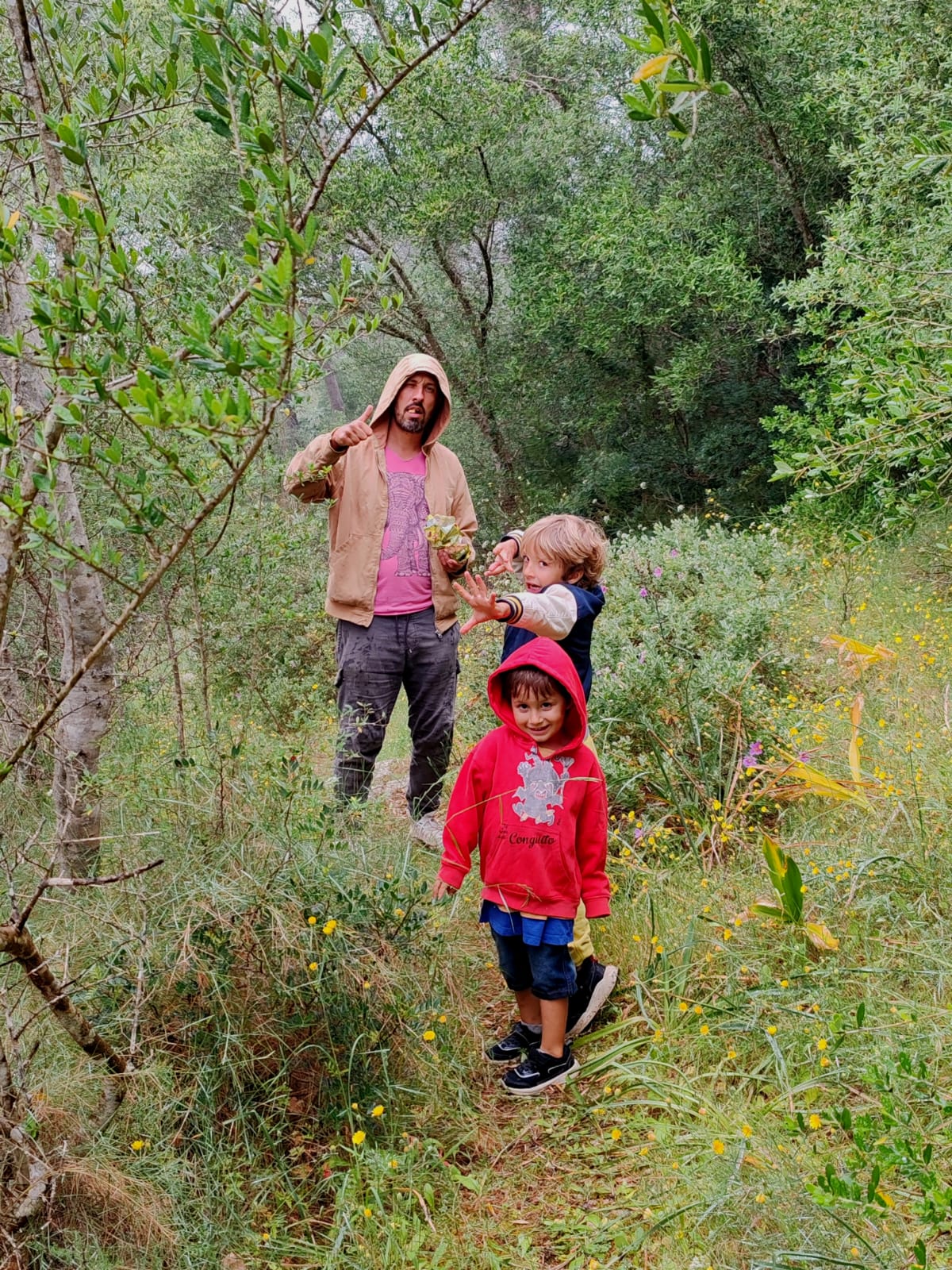
Choose one local experience and build a learning activity around it. Visit a museum, explore a nature reserve, learn about a neighbourhood's history or interview a family member about a tradition. Ask your child what they noticed and what they want to learn next.
This small experiment can help you discover whether your child enjoys open-ended exploration, structured follow-up activities or a mixture of both.
Step 4: Choose a Realistic Learning Framework
Decide which skills need regular attention and how you will support them. Some families use a curriculum, while others combine structured resources with projects and experiential learning. Consider your child's age, needs and learning preferences, and keep the plan realistic for the time available.
Step 5: Plan a First Trip or Learning Project
If travel is part of your plan, choose a destination that matches your budget, season, practical needs and learning interests. A short stay can be enough to test routines. You might explore local history, practise a language, observe wildlife or learn how a community uses its environment.
Avoid over-scheduling. Leave room for rest, play and unexpected discoveries.
Step 6: Think About Community Early
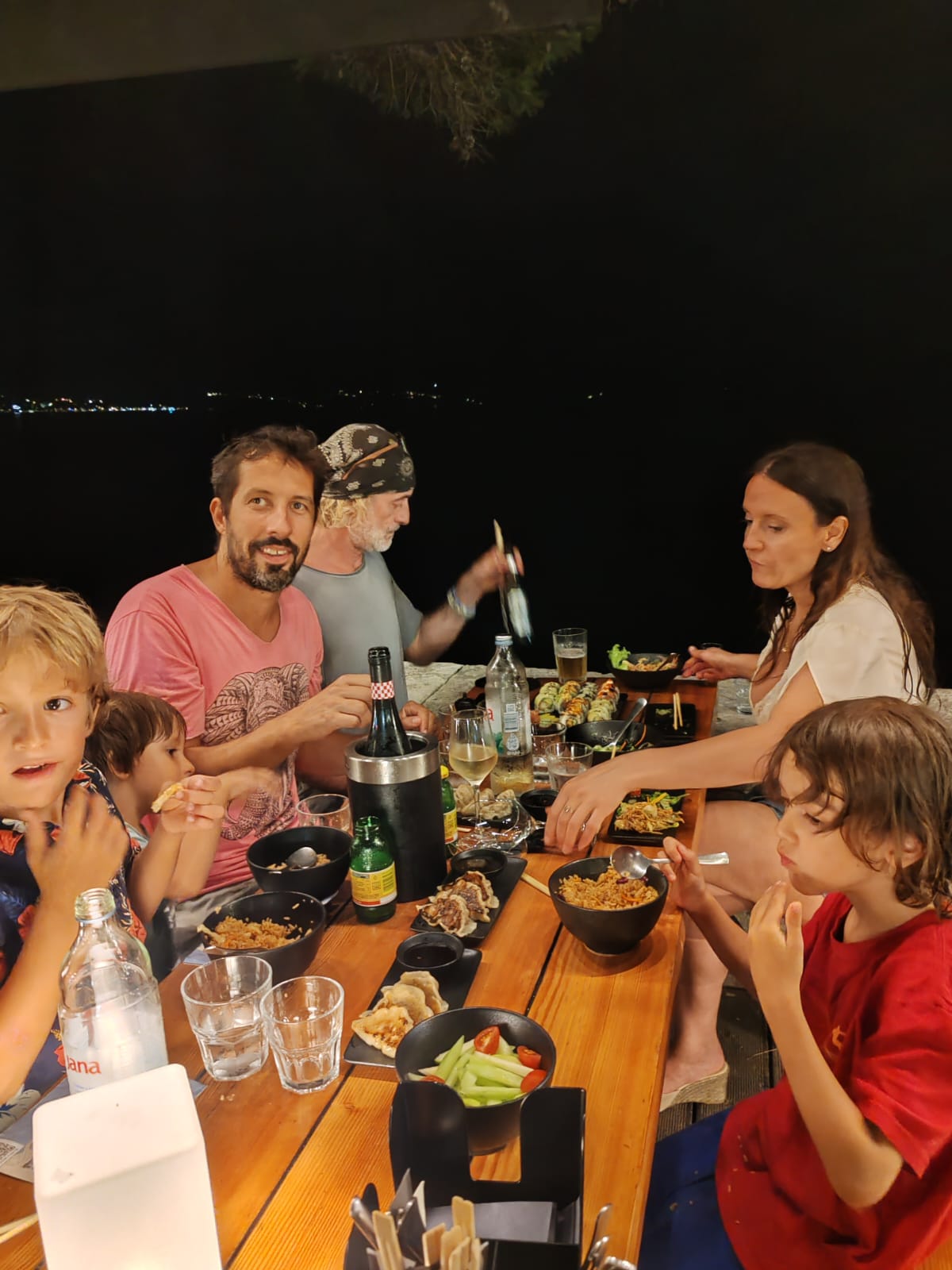
Social connection is easier to plan before you feel isolated. Search for family activities, local meetups and communities relevant to your destination. Consider how your child might meet peers more than once, especially if you plan to stay for several weeks.
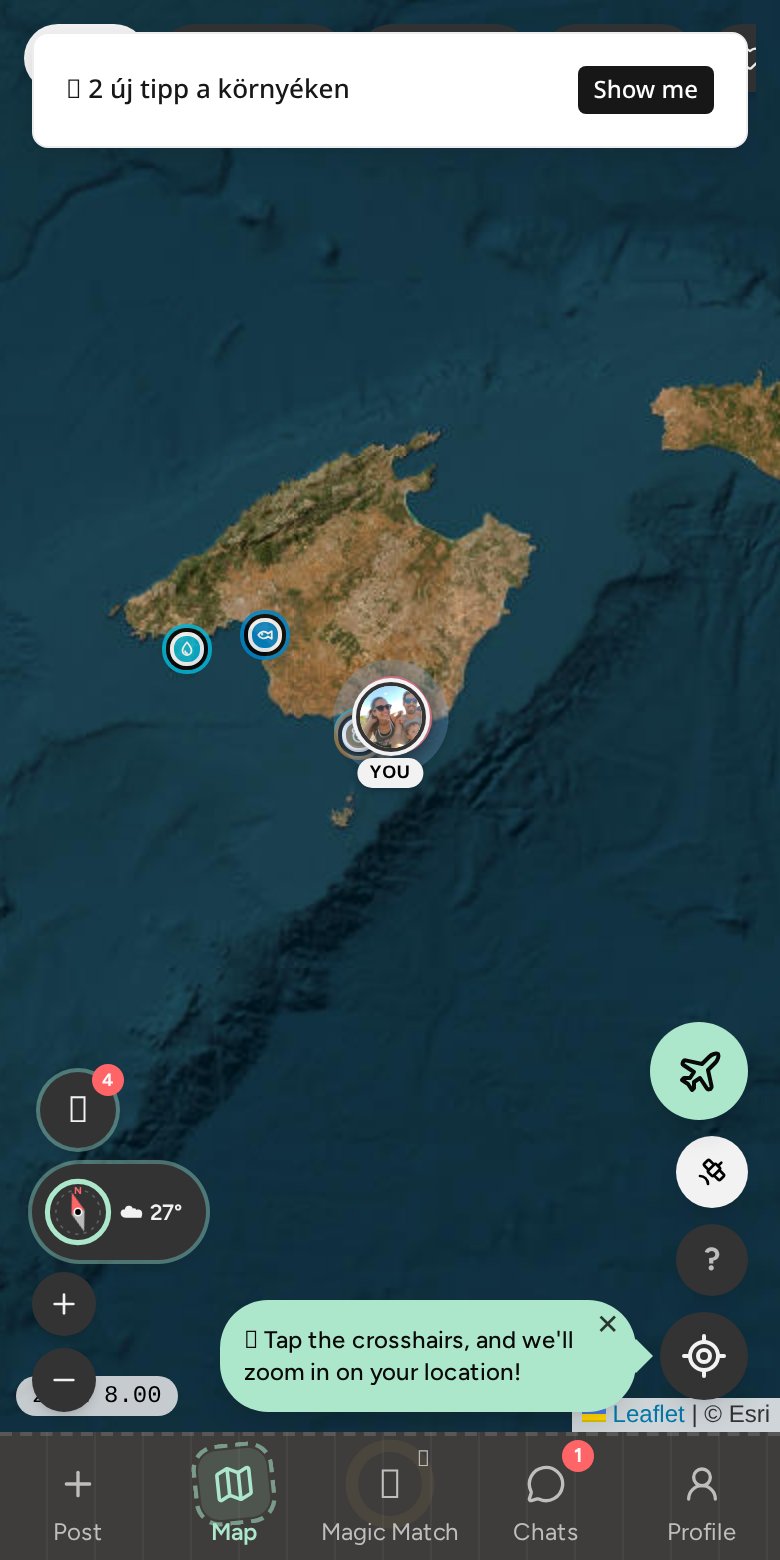
Families Planet brings together a map, places, events and community discussions that can help families explore possible connections while travelling.
Step 7: Review and Adjust
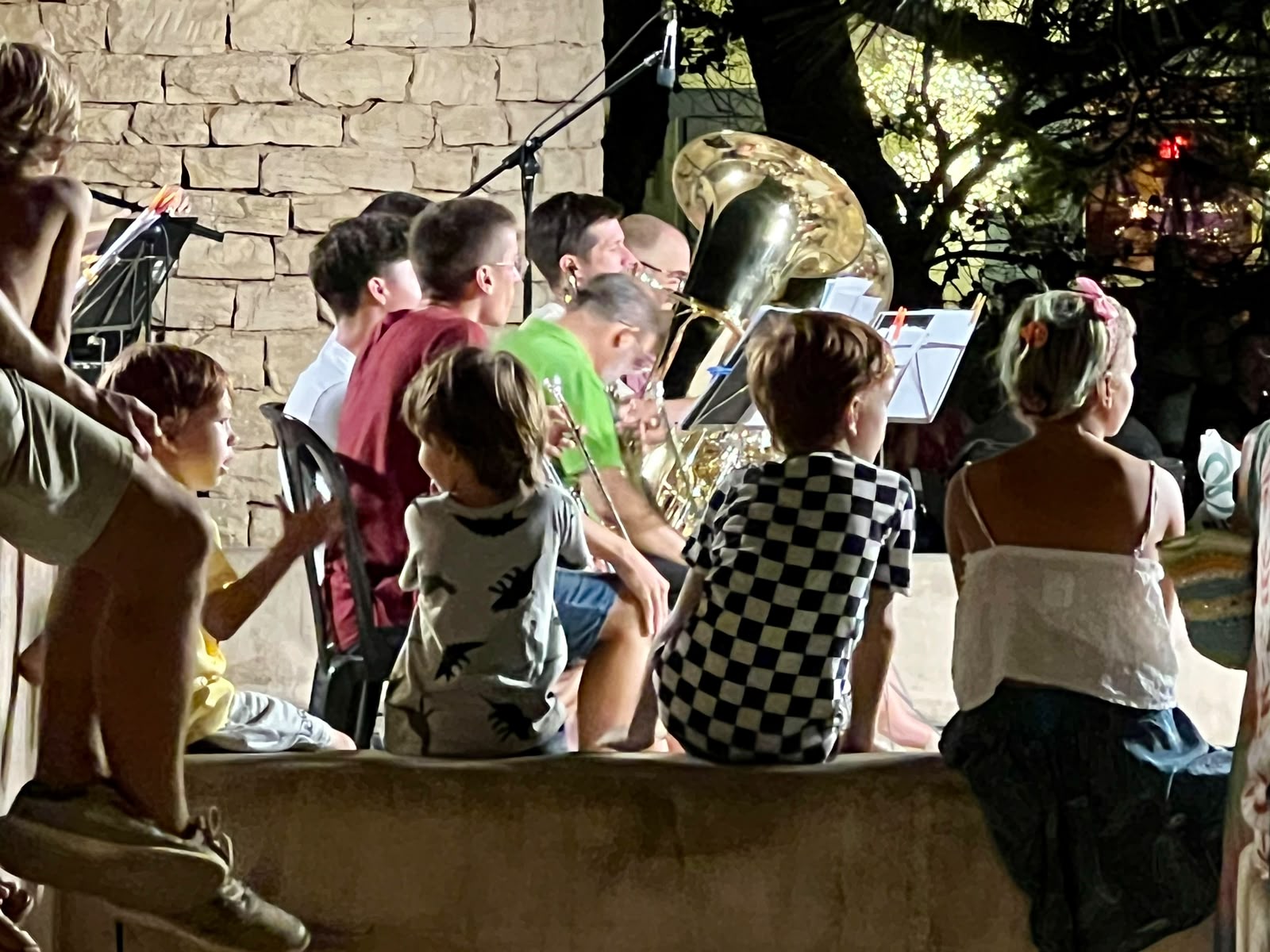
At the end of your first week or trip, review what worked. Did the routine fit your energy? Were the activities meaningful? Did your child have enough time to play and connect with others? What would you change next time? Use the answers to refine the next stage rather than judging the entire idea by one experience.
A Simple First-Month Checklist
Week 1: Define goals and research applicable education requirements. Week 2: Try a local learning experience and identify resources. Week 3: Plan a realistic routine and one destination-based project. Week 4: Review what worked, identify community opportunities and decide what to test next. Adapt the timing to your family's circumstances.
Frequently asked questions
Do I need to travel internationally to start worldschooling?
No. You can begin by using local places, cultural experiences and nature as learning opportunities.
What age is best to start worldschooling?
There is no single ideal age. Consider your child's needs, family circumstances and any relevant education requirements.
Do I need a special curriculum?
Not necessarily, but you should have a thoughtful plan for supporting your child's learning and meeting applicable obligations.
How can I find other families starting worldschooling?
Explore online groups, local family activities, worldschooling gatherings and community platforms relevant to your destination.