 Families Planet
How to Help Kids Make Friends While Traveling
· 4 min read
Written by a family that actually lives this. We've moved around Europe and Asia with our kids, love a long board-game evening (ask us about Catan), and run Families Planet from Mallorca. Below is what we'd tell a friend, kept practical. Where something depends on your country or your kids, we say so.
Travelling can introduce children to new people and experiences, but it can also interrupt the familiar routines that help friendships grow. Some children make friends easily; others need time to observe and feel comfortable. Parents can create opportunities for connection without turning every outing into a social test.
Understand Your Child's Social Style

There is no single way children should behave in a new group. One child may approach others immediately, while another prefers to watch first or connect with one person at a time. Give your child room to respond in their own way and avoid comparing them with siblings or other children.
Before a meetup, explain what to expect, who may be there and how long you plan to stay. Knowing the basic plan can help some children feel more prepared.
Choose Activities That Make Interaction Natural

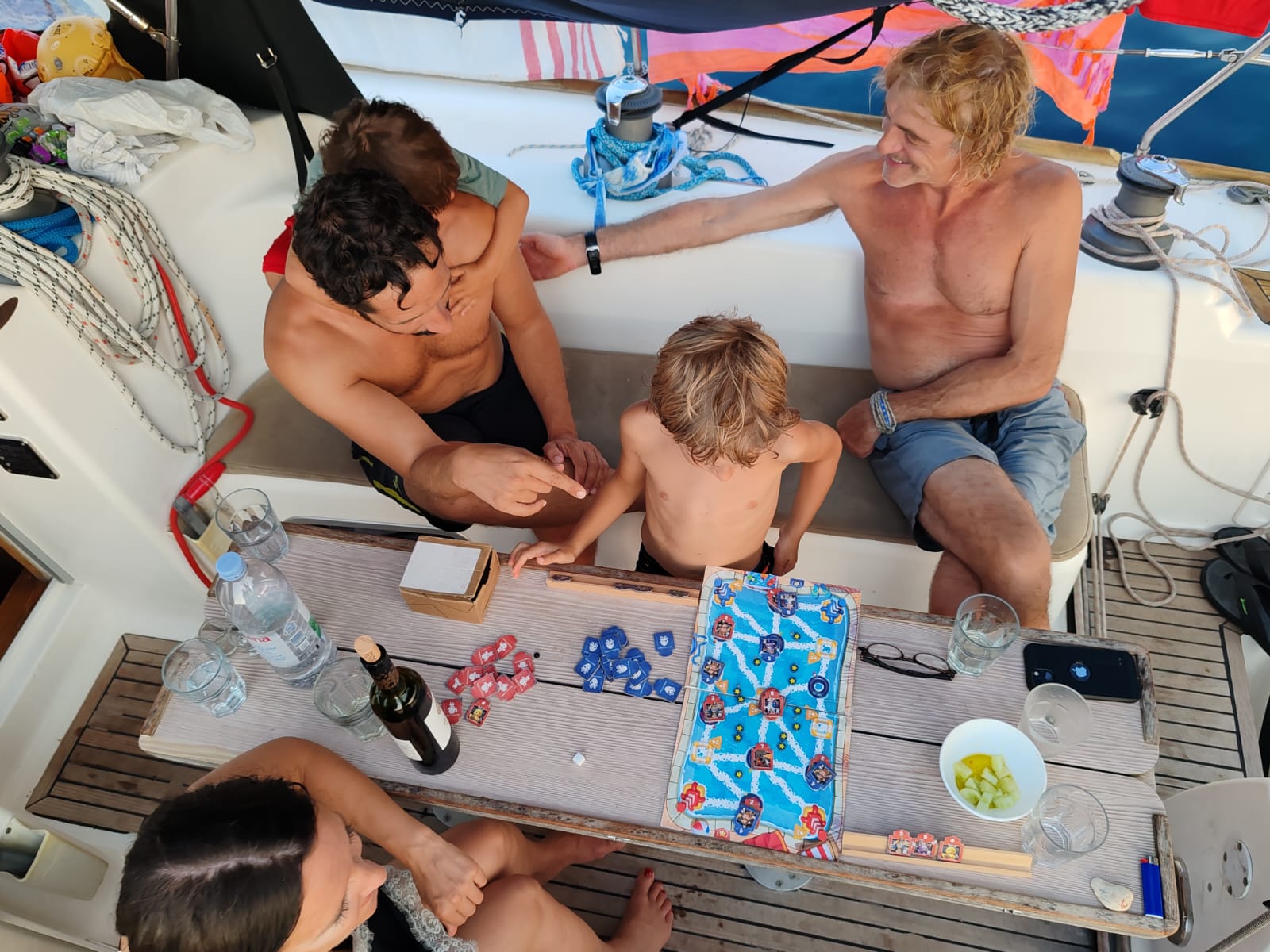
Shared activities can make it easier to start talking and playing. Consider playgrounds, sports, art workshops, nature walks, board games, beach activities or children's programmes at museums and libraries. Choose options suited to your child's age and interests.
A short activity with a clear focus can feel less intimidating than an open-ended social gathering. If your child is unsure, you can participate alongside them at first and gradually give them space.
Look for Repeat Contact
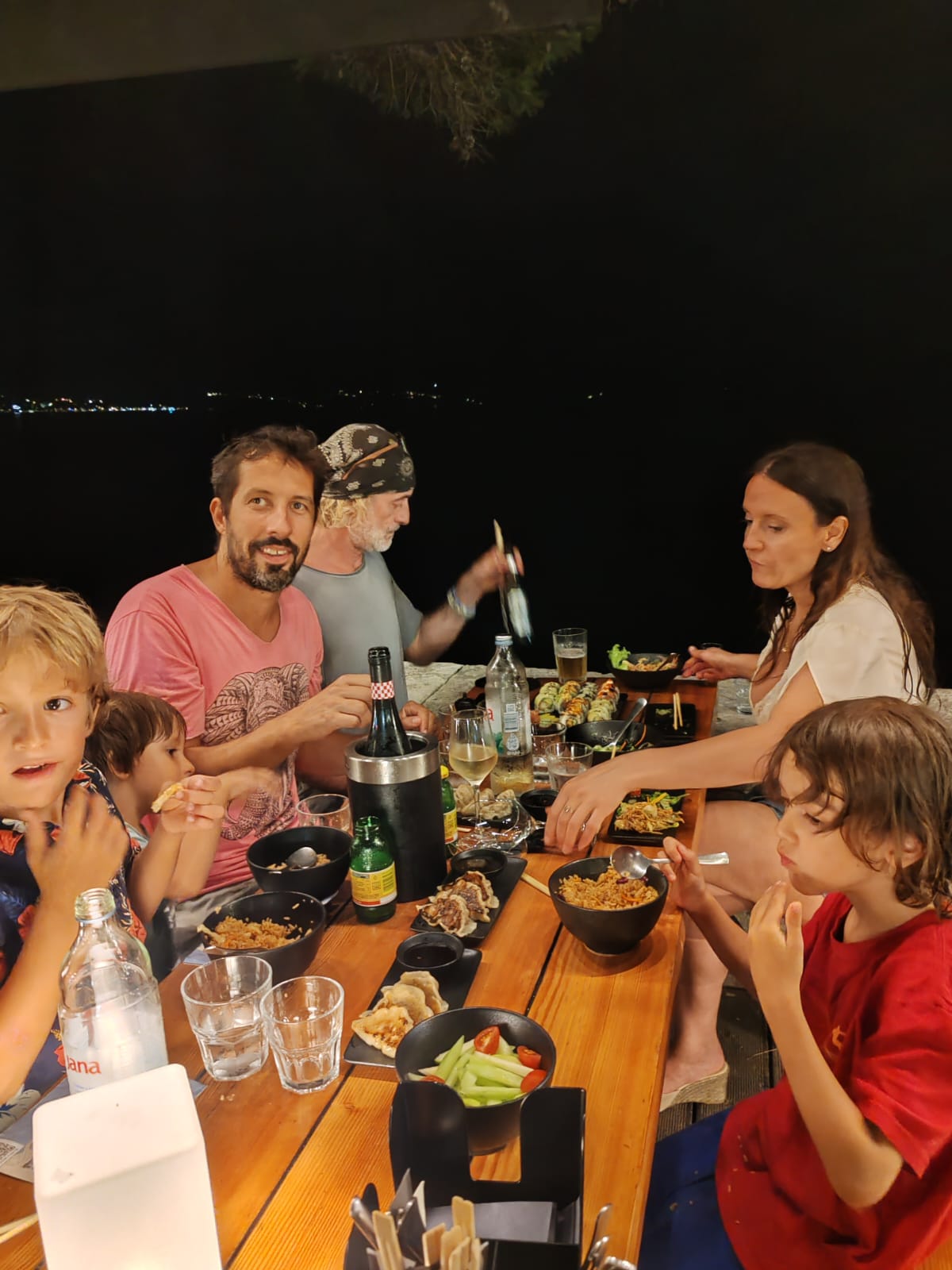
Friendships often need more than one meeting. If you are staying in a destination for several days or weeks, consider returning to the same playground, class or family event. Familiar faces can help children build confidence and recognise potential friends.
When your travel schedule allows it, slow down enough to develop a routine. A calendar packed with new places may leave little time for children to deepen connections.
Find Families With Similar Interests

Age can matter, but shared interests can be just as useful. A child who loves drawing may connect through an art workshop; a nature enthusiast may enjoy a family hike. Parents can search for travelling families, worldschooling groups, digital nomad families or local activities based on the destination.
Families Planet offers a way to explore family-related places, events and community conversations. Use it as one starting point for finding activities and potential connections, while checking details and suitability before attending.
Make Invitations Small and Specific
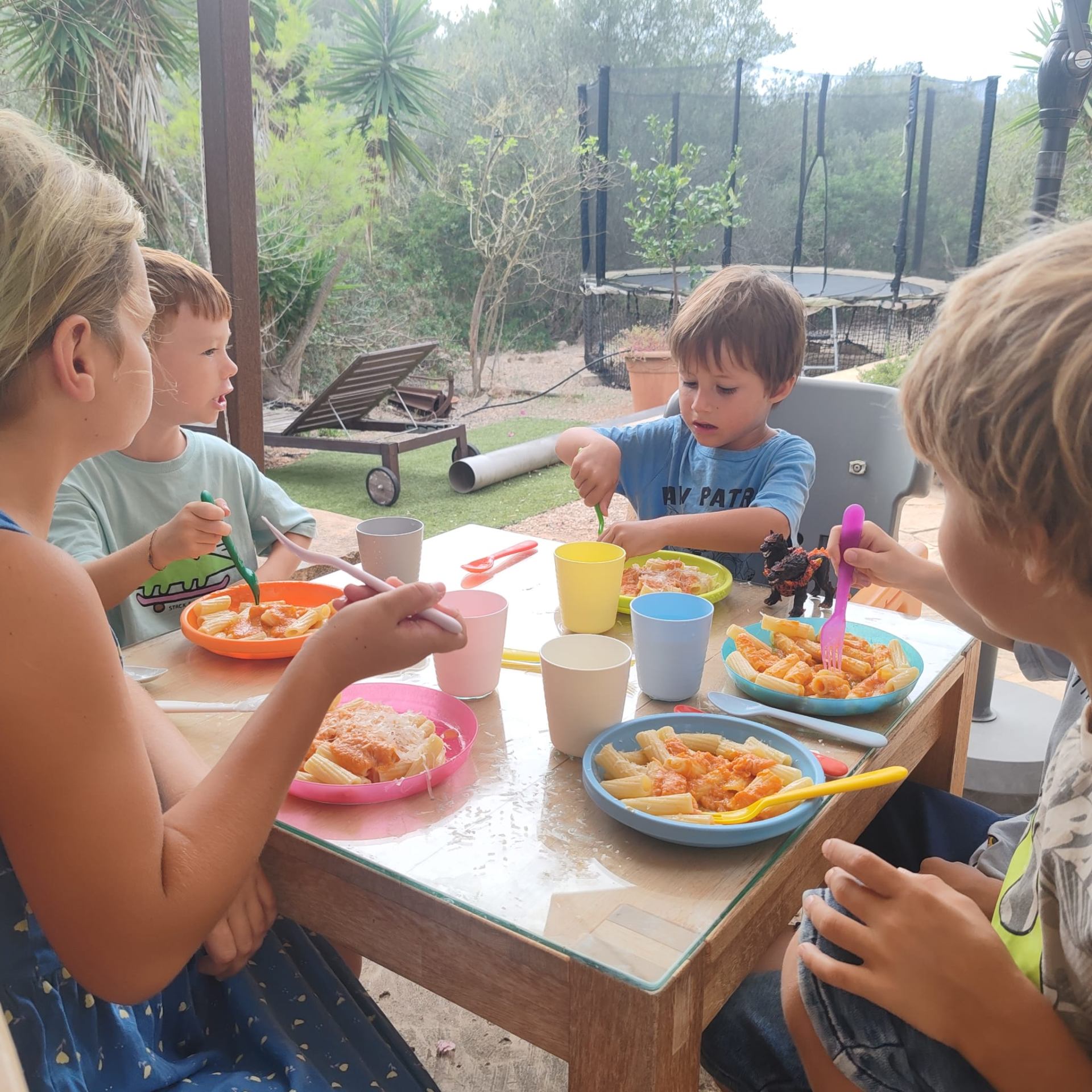
A simple invitation can help a new connection continue: “Would you like to meet at the playground tomorrow morning?” or “Our children both enjoy drawing—would you like to join the workshop?” Keep plans flexible and make it easy for the other family to decline.
Support Children Through Goodbyes

Travel can mean saying goodbye to friends sooner than children would like. Acknowledge their feelings instead of dismissing them with reminders that they will meet someone else. If everyone agrees, exchange contact details with the other parent or help children make a drawing or small memory of the time together.
Not every friendship will continue online, and that is okay. The goal is not to preserve every connection indefinitely, but to help children experience relationships as meaningful even when circumstances change.
Balance Social Time With Rest

New environments can be tiring. Children may need quiet time after a busy day, and some may prefer fewer, more predictable social activities. Avoid interpreting every refusal as a problem. Offer choices and notice when your child seems relaxed, engaged or overwhelmed.
Keep Safety and Consent in Mind
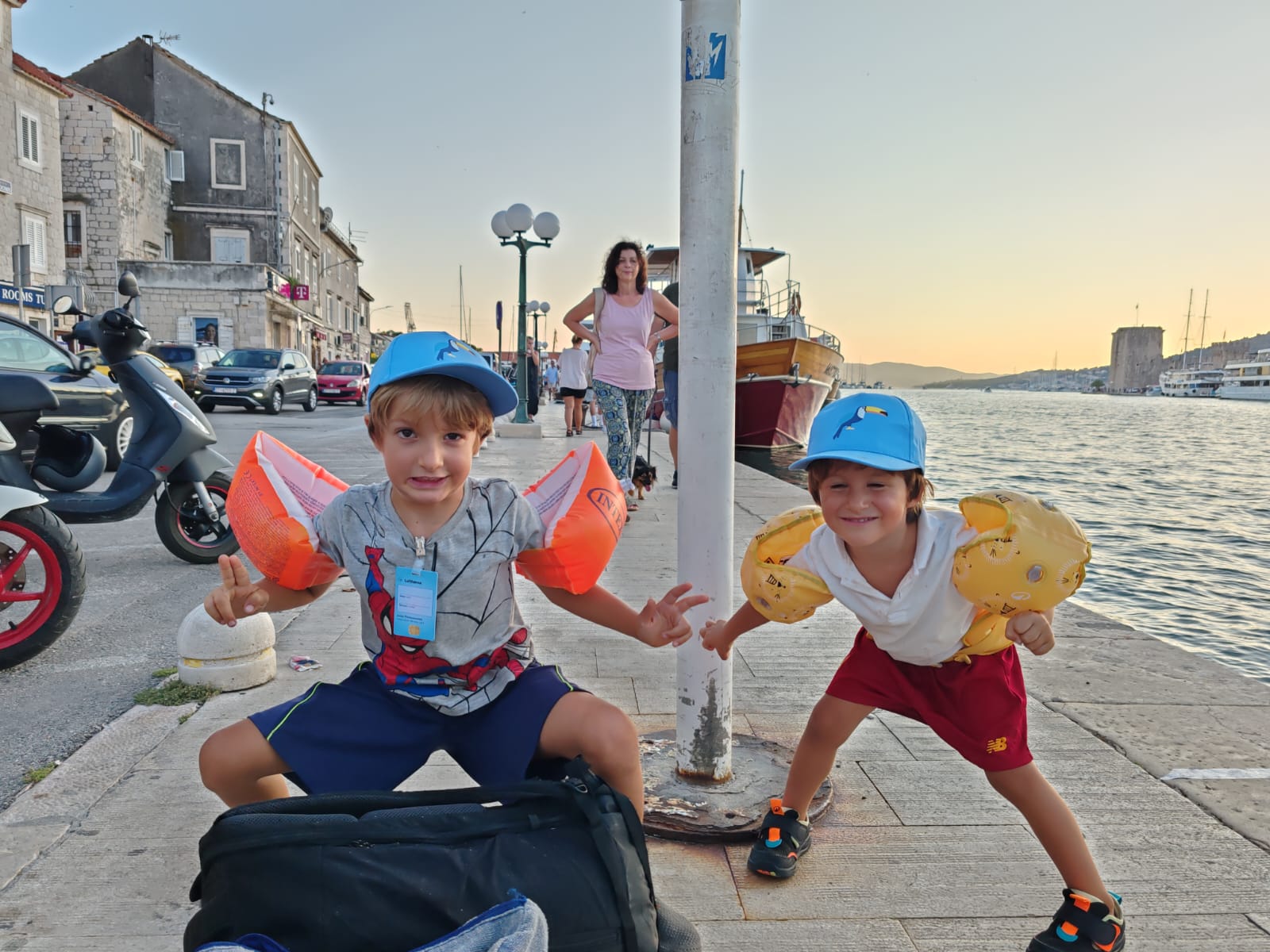
Arrange first meetings with unfamiliar families in public places, stay involved in age-appropriate ways and avoid sharing sensitive information about your child's location or routines online. Respect your child's boundaries and the other family's preferences.
Frequently asked questions
What if my child is shy when travelling?
Choose a familiar type of activity, arrive with a simple plan and allow time to observe. A child does not need to become outgoing to make meaningful connections.
How can travelling children maintain friendships?
Repeat meetups, longer stays and occasional contact with parents' agreement can help. Some friendships may resume when travel routes cross again.
Is it better to stay longer in one place?
Longer stays can make repeat contact easier, but every family's needs differ. Consider your child's social preferences, budget and travel goals.
How do I find playmates in a new destination?
Search for family activities, local clubs, travelling-family groups and meetups. Start with a public, low-pressure activity that fits your child's interests.