 Families Planet

Long-Term Family Travel Checklist: Everything to Prepare Before You Leave
· 3 min read
We're the Tóth family. We've travelled through Italy, Spain, Thailand, Morocco and Indonesia with our kids, and these days our base is Mallorca. Below is what we'd tell a friend, kept practical. Where something depends on your country or your kids, we say so.
Planning a long trip with children involves more than booking flights and packing suitcases. If your family is preparing to spend several weeks or months traveling, consider documents, finances, healthcare, accommodation, education, and everyday practicalities. Use this checklist as a starting point and adapt it to your destinations, travel dates, and family's circumstances.
1. Travel Documents and Entry Requirements

Check passports for every family member, passport validity, visas or other travel authorizations, entry and exit rules, and any documentation required when children travel internationally. Requirements can differ by country and change over time, so verify details through official government sources. If family members have different citizenships or residency statuses, check each person's requirements.
2. Health, Insurance, and Medical Preparation

Review travel or international health insurance, prescriptions, medical documentation, allergies, destination-specific health advice, and access to medical facilities. Check that your policy covers your destinations, travel duration, and planned activities. If anyone needs ongoing care, discuss arrangements with an appropriate healthcare professional.
3. Budget and Financial Planning

Estimate accommodation, transportation, food, local travel, activities, insurance, healthcare, and communication. Include ongoing expenses at home and an emergency reserve. Plan how you will access money abroad and review relevant banking fees or restrictions.
4. Accommodation and Your First Destination
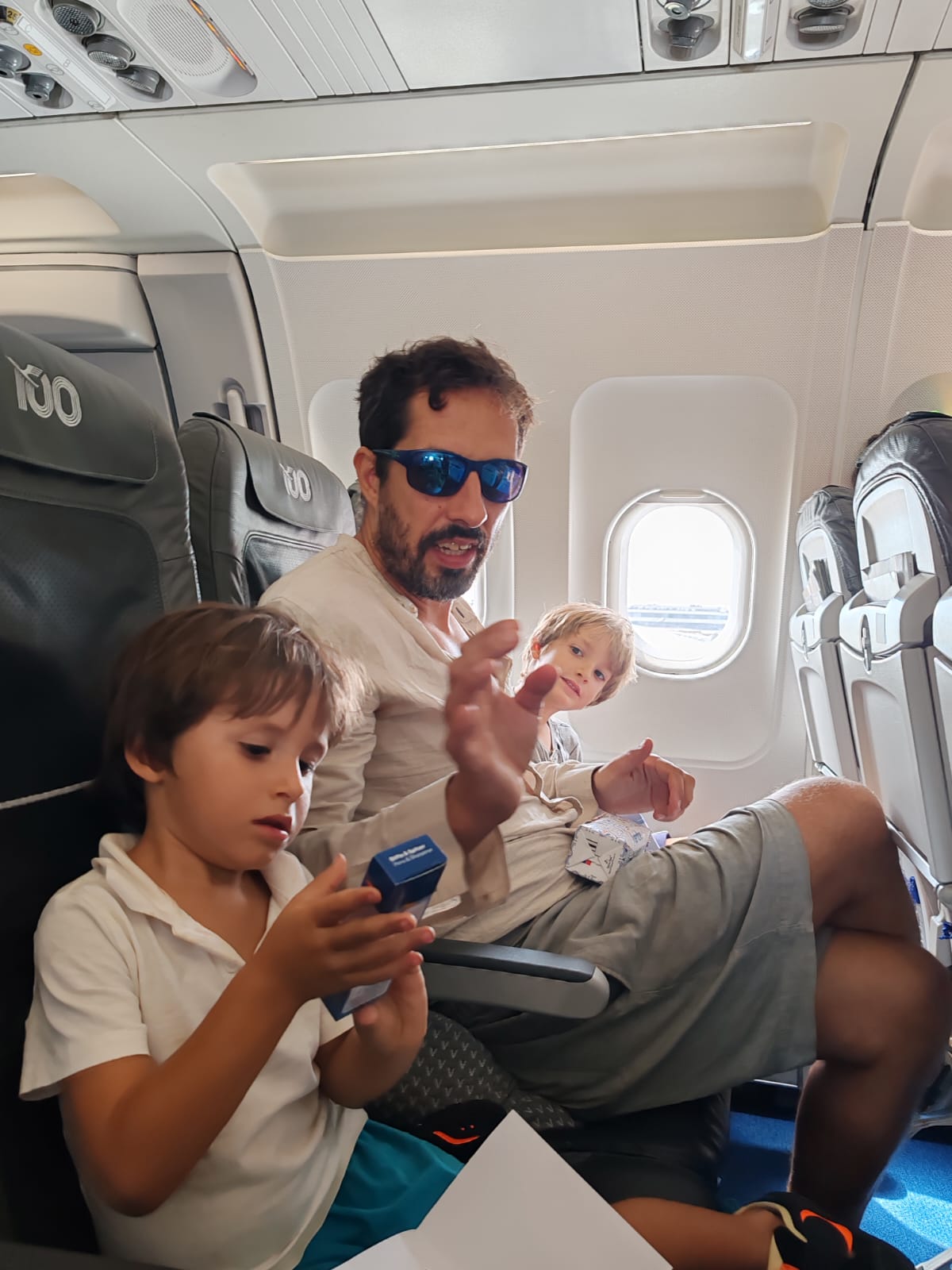
Consider whether accommodation suits your children's needs, access to shops and transport, internet if needed, cooking and laundry facilities, cancellation terms, deposits, and extra fees. You may not need to book every night in advance, but arranging a suitable first stay can make arrival easier.
5. Education and Children's Needs

If your children are of compulsory school age, research applicable educational requirements. If you plan to use homeschooling or worldschooling, establish how learning will be organized and what documentation may be needed. Consider books, devices, offline resources, and opportunities for children to meet peers.
6. Work and Responsibilities at Home

Confirm remote-work location rules, availability requirements, and internet needs. Arrange how ongoing responsibilities—such as bills, subscriptions, property matters, or business administration—will be handled while you are away.
7. Communication and Digital Security

Review mobile plans and roaming charges, local SIM or eSIM options, access to essential apps, secure account access, and backups of important documents. Keep sensitive information protected, especially when using unfamiliar networks.
8. Packing for Long-Term Family Travel

Pack clothing suited to the climate, children's essentials, appropriate healthcare supplies, technology and chargers, travel equipment, and a small selection of educational or creative materials. Check rules for carrying medicines and leave room for items that can be purchased at your destination.
9. Research Your Destination
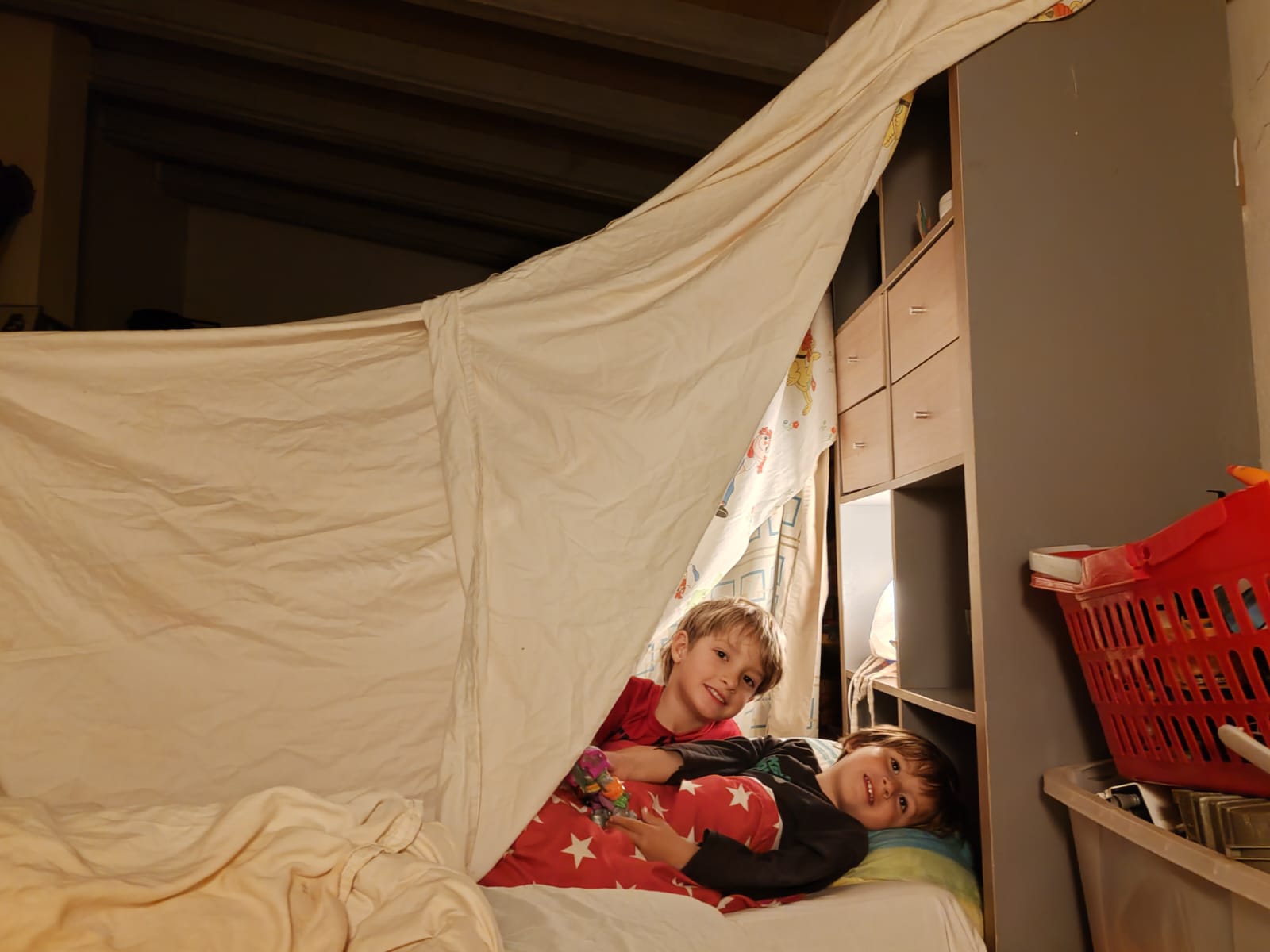
Look into local transport, grocery stores, healthcare, neighborhood facilities, customs, environmental conditions, and suitable activities. For longer stays, research community events and opportunities to meet other families.
10. Plan Opportunities to Connect

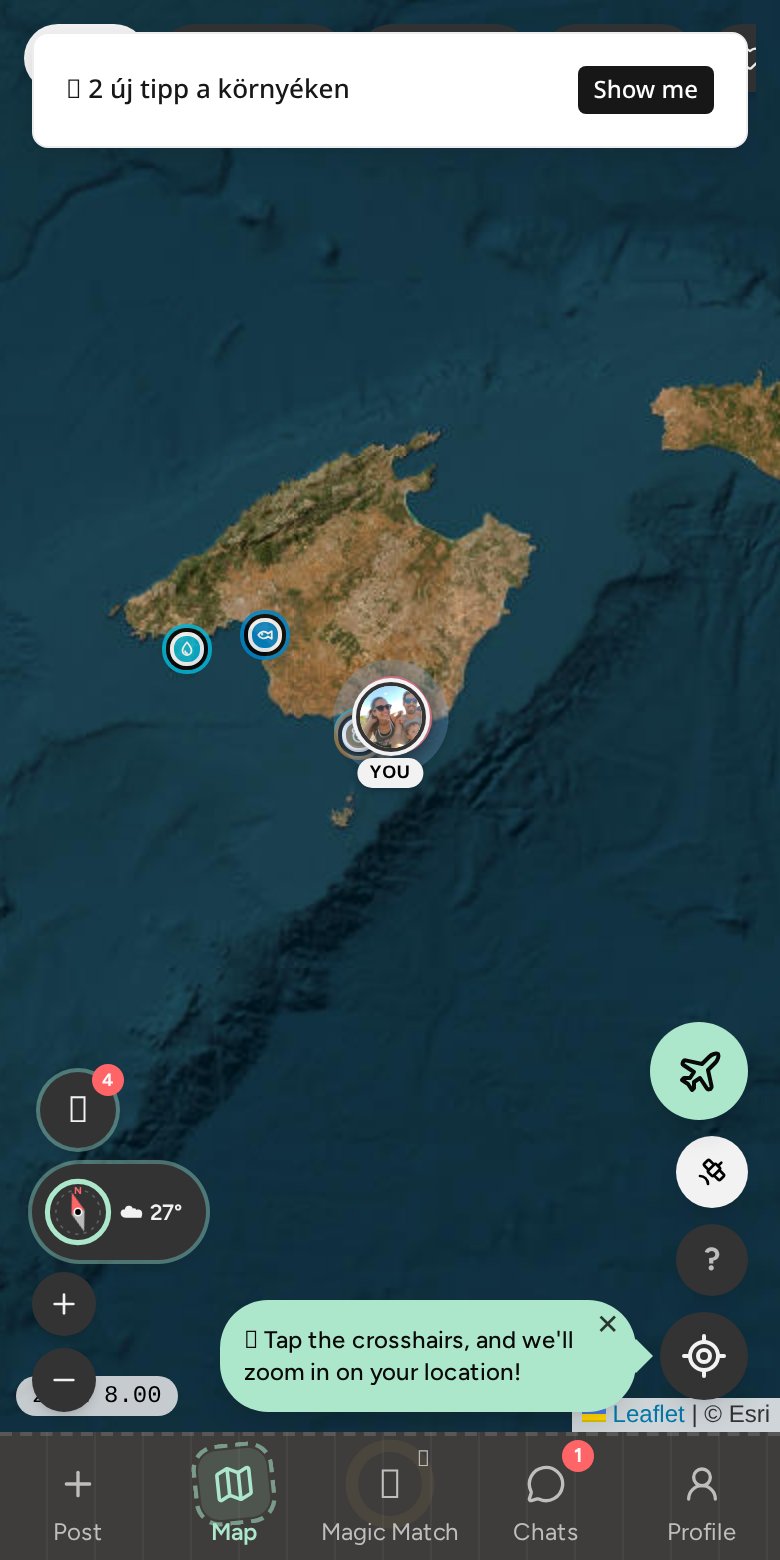
If meeting other families is important, research activities and communities before arriving. Families Planet is designed to help traveling families discover potential connections, places, and activities. Treat online information as a starting point and confirm plans directly.
11. Prepare for Changes
Weather, transport disruptions, accommodation issues, and family needs can affect your plans. Keep booking information accessible, understand cancellation conditions, and leave flexibility in your budget and schedule.
12. Create a Family Travel Information Pack
Keep essential confirmations, contact details, insurance information, copies of relevant documents, healthcare information, and educational records where needed in a secure digital folder. Maintain a backup that remains accessible if a device is lost.
Final Departure Checklist

Documents: Passports, required visas, entry requirements, and permissions checked. Healthcare: Insurance, medication, and essential medical information prepared. Finances: Budget, emergency reserve, and payment arrangements in place. Accommodation: Initial stay confirmed and practical details checked. Education: Requirements and learning arrangements reviewed. Work: Employment, business, communication, and time-zone considerations addressed. Packing: Clothing, essentials, technology, and travel equipment ready. Community: Activities and ways to connect with other families researched. Flexibility: Budget and itinerary allow for changes.
Your Checklist Should Make the Journey Easier

Focus on the arrangements that protect your family's health, legal position, finances, education, and practical needs. Prepare the essentials, keep information organized, and leave room for discoveries you cannot predict. The purpose of traveling together is to explore new places, learn, connect, and create memories. Start planning your next adventure and discover opportunities to connect with traveling families through Families Planet.