 Families Planet
How to Keep a Helpful Routine While Traveling With Children
· 3 min read
Written by a family that actually lives this. We've moved around Europe and Asia with our kids, love a long board-game evening (ask us about Catan), and run Families Planet from Mallorca. Below is what we'd tell a friend, kept practical. Where something depends on your country or your kids, we say so.
Travel changes the surroundings, timing, and demands of family life. Children may find some changes exciting and others tiring. A routine can help, but it does not need to copy the family’s home schedule. The aim is to keep a few predictable anchors while allowing the day to respond to travel, weather, and everyone’s energy.
Choose three anchors instead of scheduling every hour
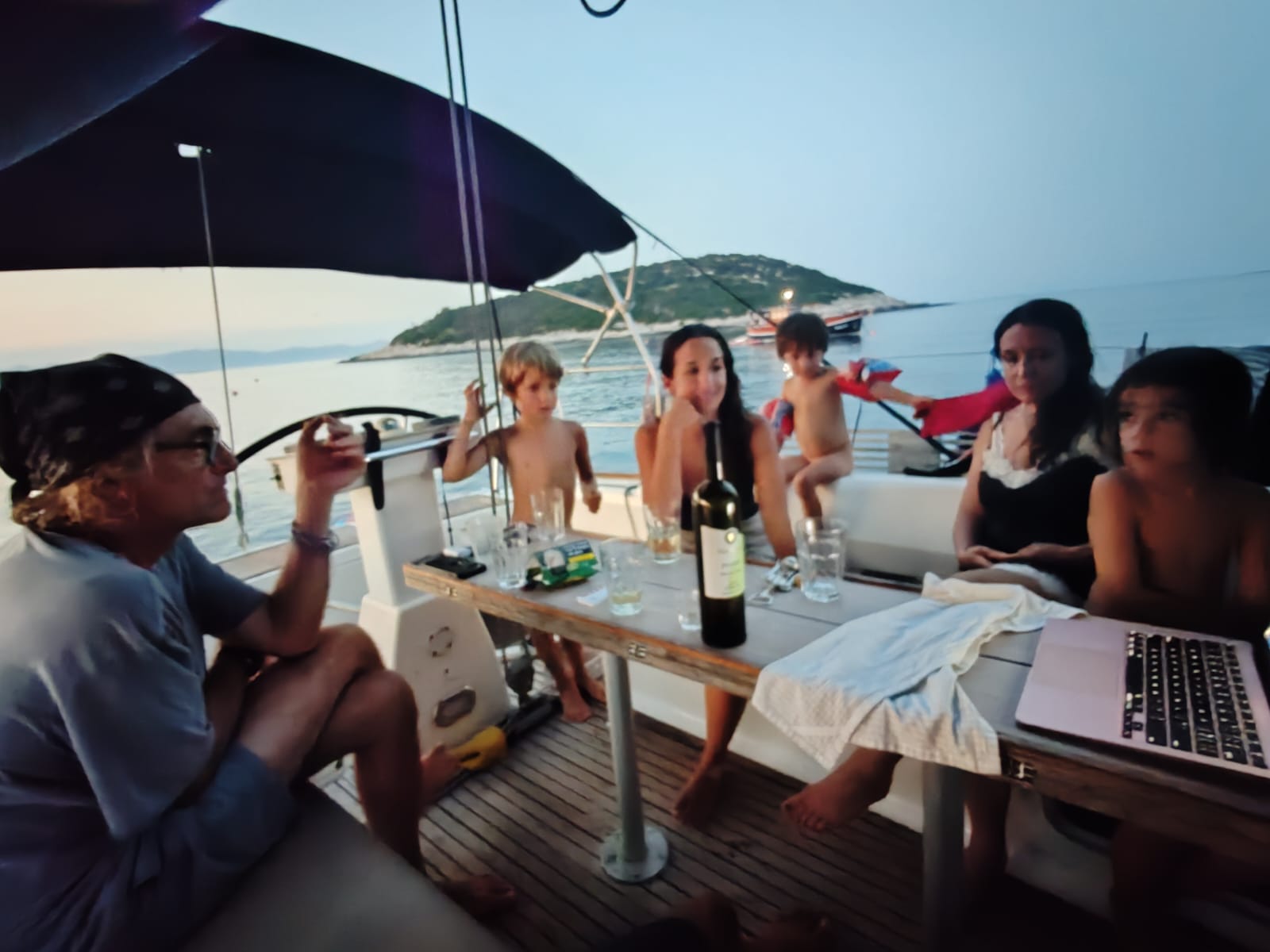
Pick a few repeatable moments, such as breakfast together, quiet time after lunch, or a familiar bedtime sequence. These anchors give the day shape without making the family feel behind whenever a train is late or an outing runs long.
Protect sleep where practical

Different beds, noise, light, and time zones can affect sleep. Keep a familiar book or calming activity if it helps, and consider accommodation layout when booking. Do not assume that every child will adapt at the same speed. If persistent sleep or health concerns arise, seek appropriate professional advice rather than relying on a travel hack.
Make meals predictable enough
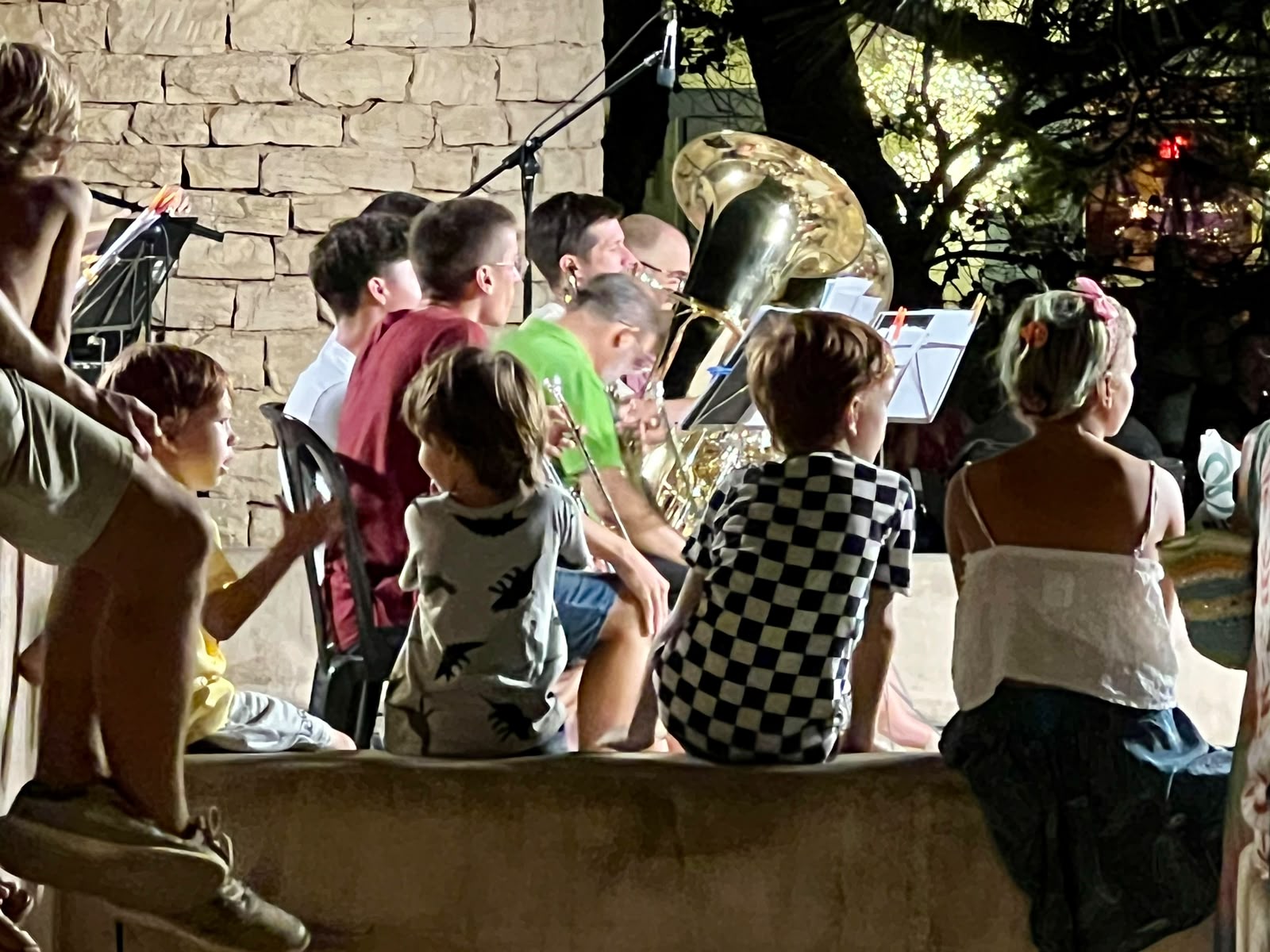
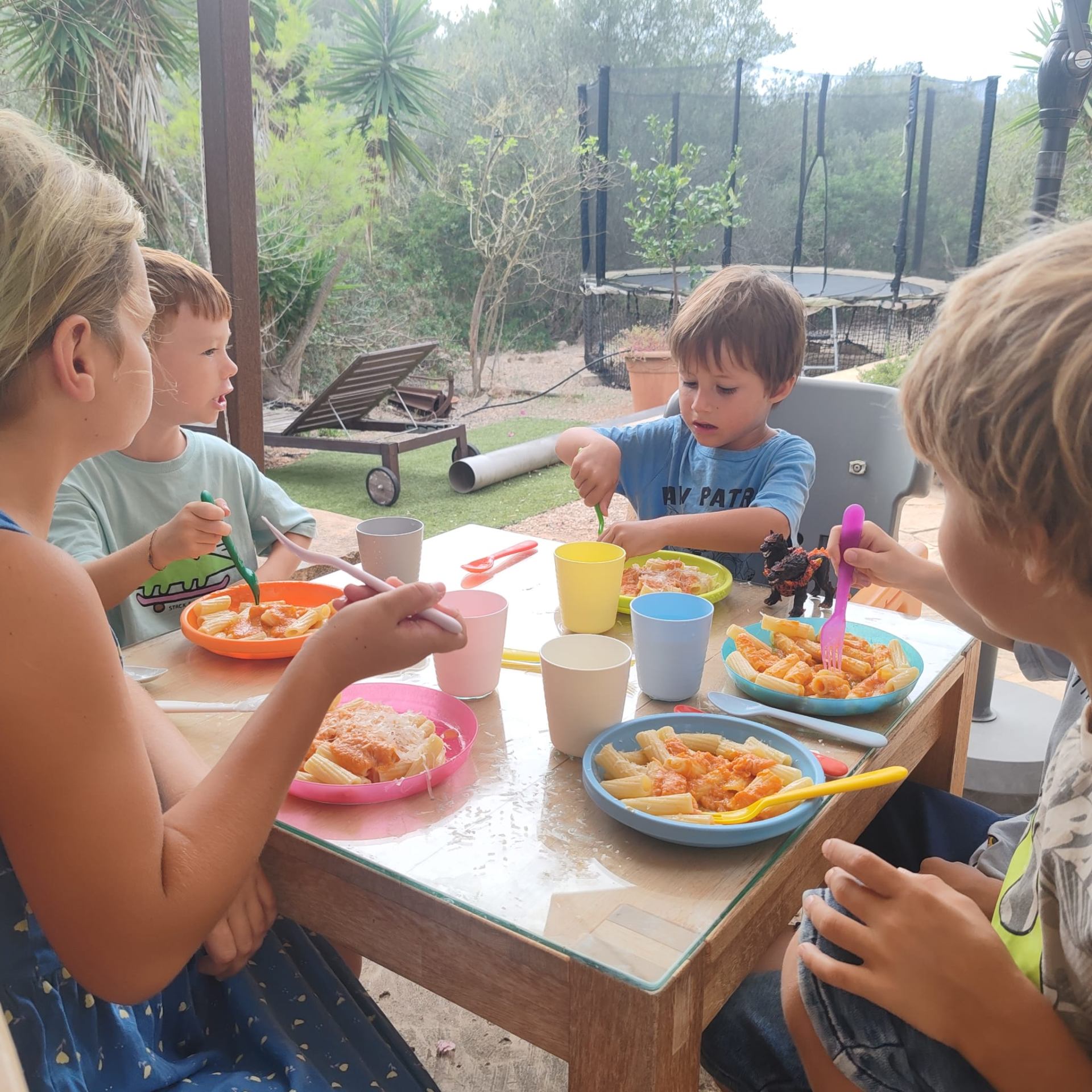
Regular opportunities to eat can make travel days easier, especially when familiar foods are not always available. Keep a small list of reliable options and plan ahead for dietary needs. Food availability, allergies, and storage requirements vary, so check restaurants and accommodation rather than assuming they can meet every need.
Balance activities with unstructured time
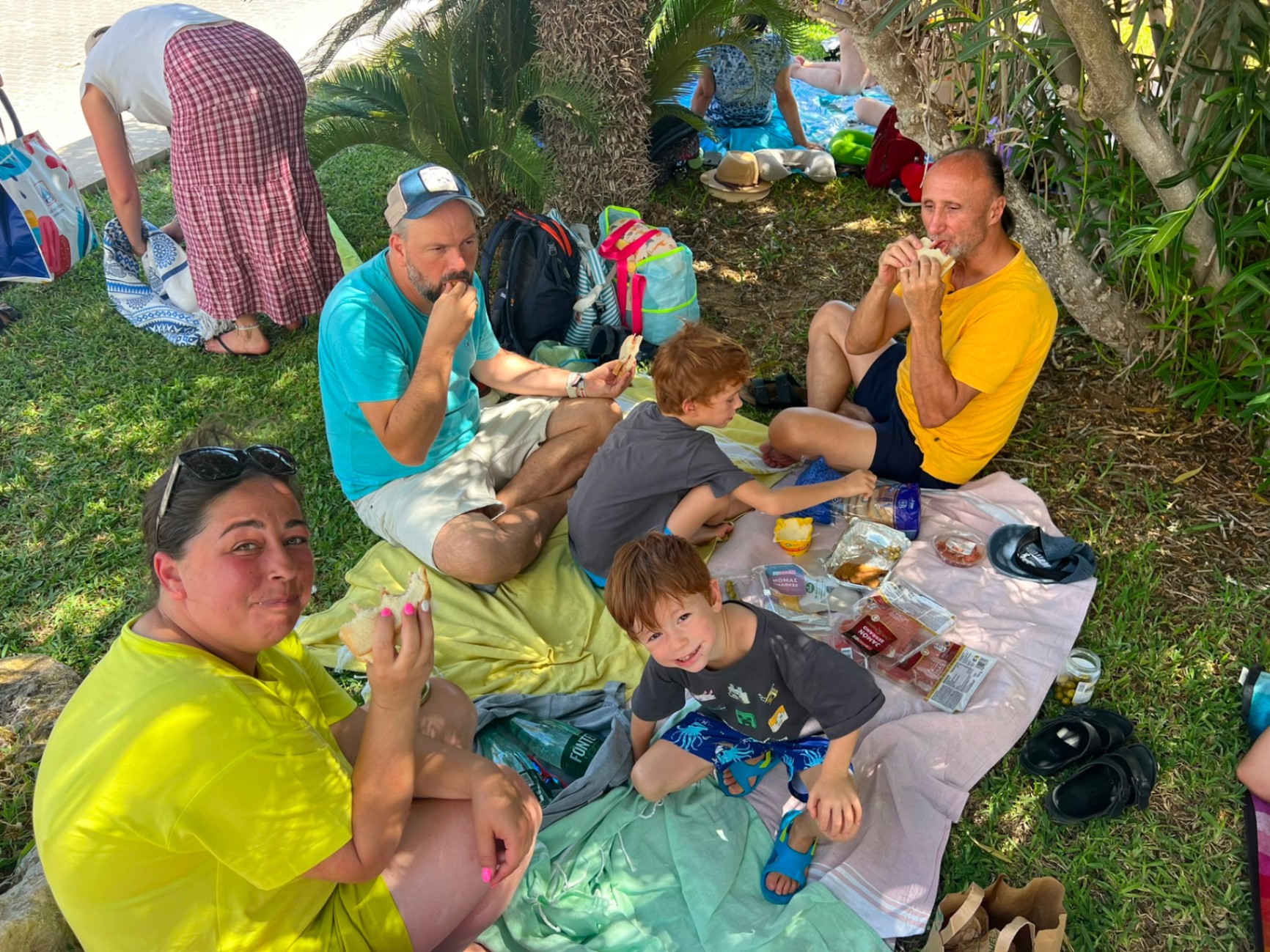
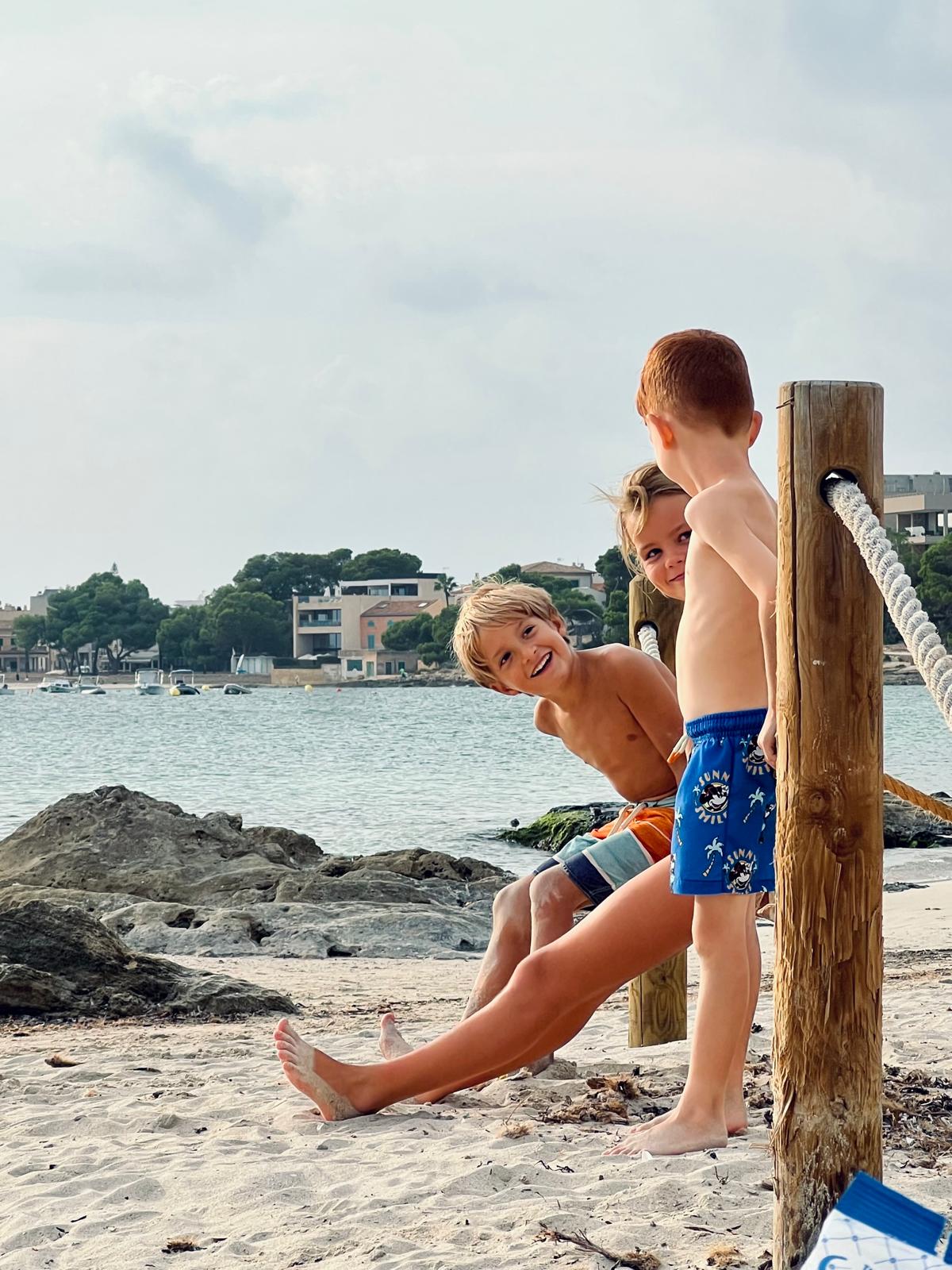
A full itinerary can leave little room for children to play, process new experiences, or simply rest. Build in time at a park, accommodation, beach, or quiet public space. Downtime is not wasted travel time; it can make the rest of the trip more manageable.
Keep learning flexible

For families combining travel and education, choose a realistic daily or weekly learning rhythm. A short reading session, journal, local museum visit, or nature observation may fit better than trying to recreate a full school day. However, informal travel learning does not automatically replace formal schooling obligations; check the rules that apply to your family.
Involve children in small decisions
Let children choose between two activities, help plan a meal, or mark places on a map. Participation can make a new environment feel more understandable, while limited choices keep decisions manageable for adults.
Review the routine every week
Ask what is working and what is becoming difficult. If mornings feel rushed, reduce the number of activities. If children seem overloaded, add a rest day. A routine should support the family, not become another standard everyone is expected to meet.
A practical next step

Write a ‘minimum viable day’ for your family: the few things that help everyone feel okay even when plans change. Use it as a fallback on travel days, not as a strict rule.
Frequently asked questions
Do children need a strict routine while traveling?
Not necessarily. Some predictable anchors can help, but the right amount of structure depends on the child, trip, and family. Flexibility is part of the plan.
How do we handle time-zone changes?
Allow time to adjust, keep the first days relatively light, and follow appropriate health advice if your child has specific needs. There is no single adjustment method that suits every family.
Can we homeschool while traveling using a routine?
A routine can support learning, but schooling requirements depend on your circumstances and jurisdiction. Check the relevant official rules before relying on an informal arrangement.