 Families Planet
Slow Travel With Kids: Why Staying Longer Can Transform Your Family Adventures
· 3 min read
A quick note before you read: this isn't theory for us. We're a travelling family (Italy, Spain, Thailand, Morocco, Indonesia, now based in Mallorca), and we built Families Planet because we kept wishing we could find other families on the road. Below is what we'd tell a friend, kept practical. Where something depends on your country or your kids, we say so.
Adventures
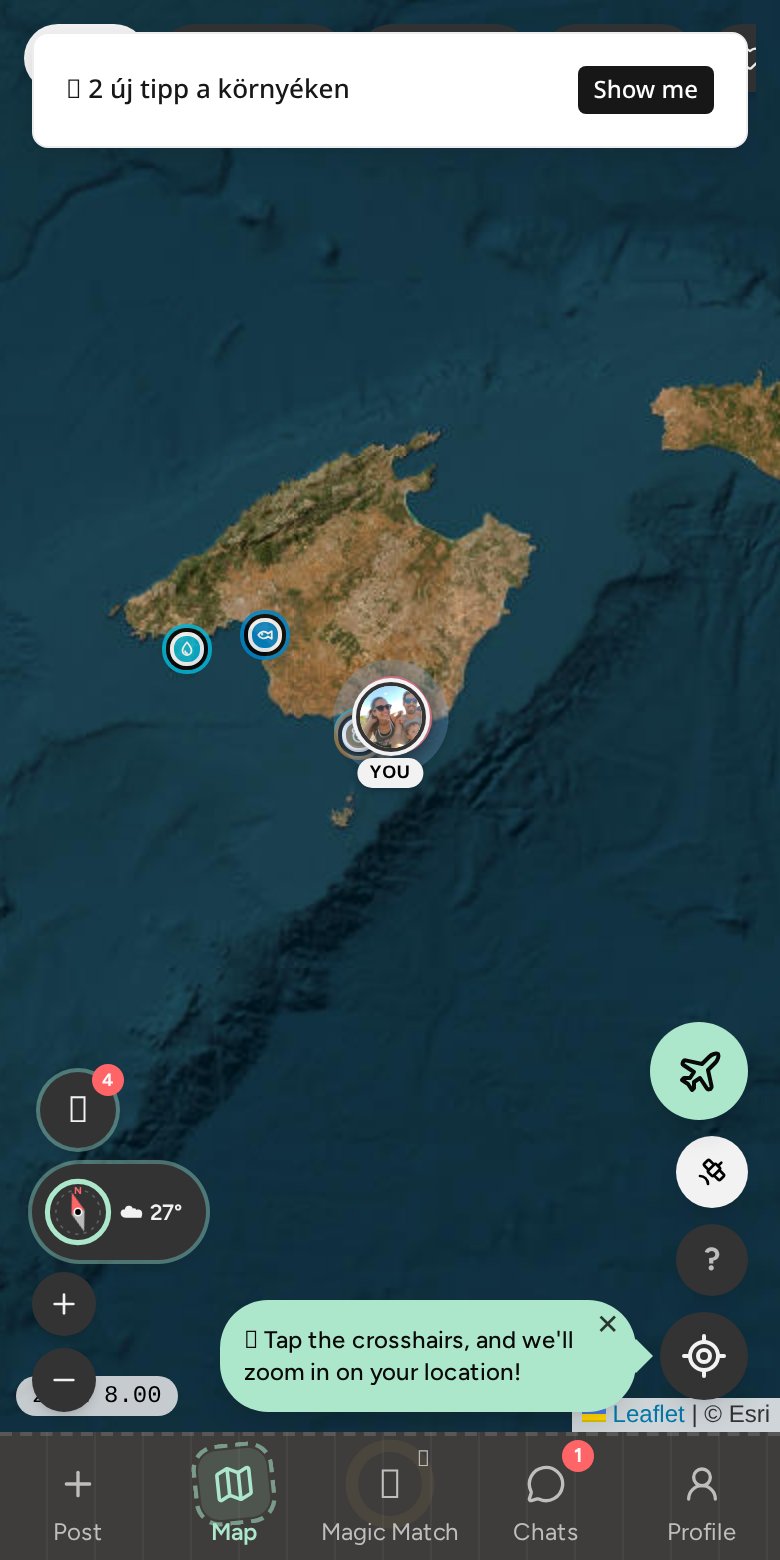
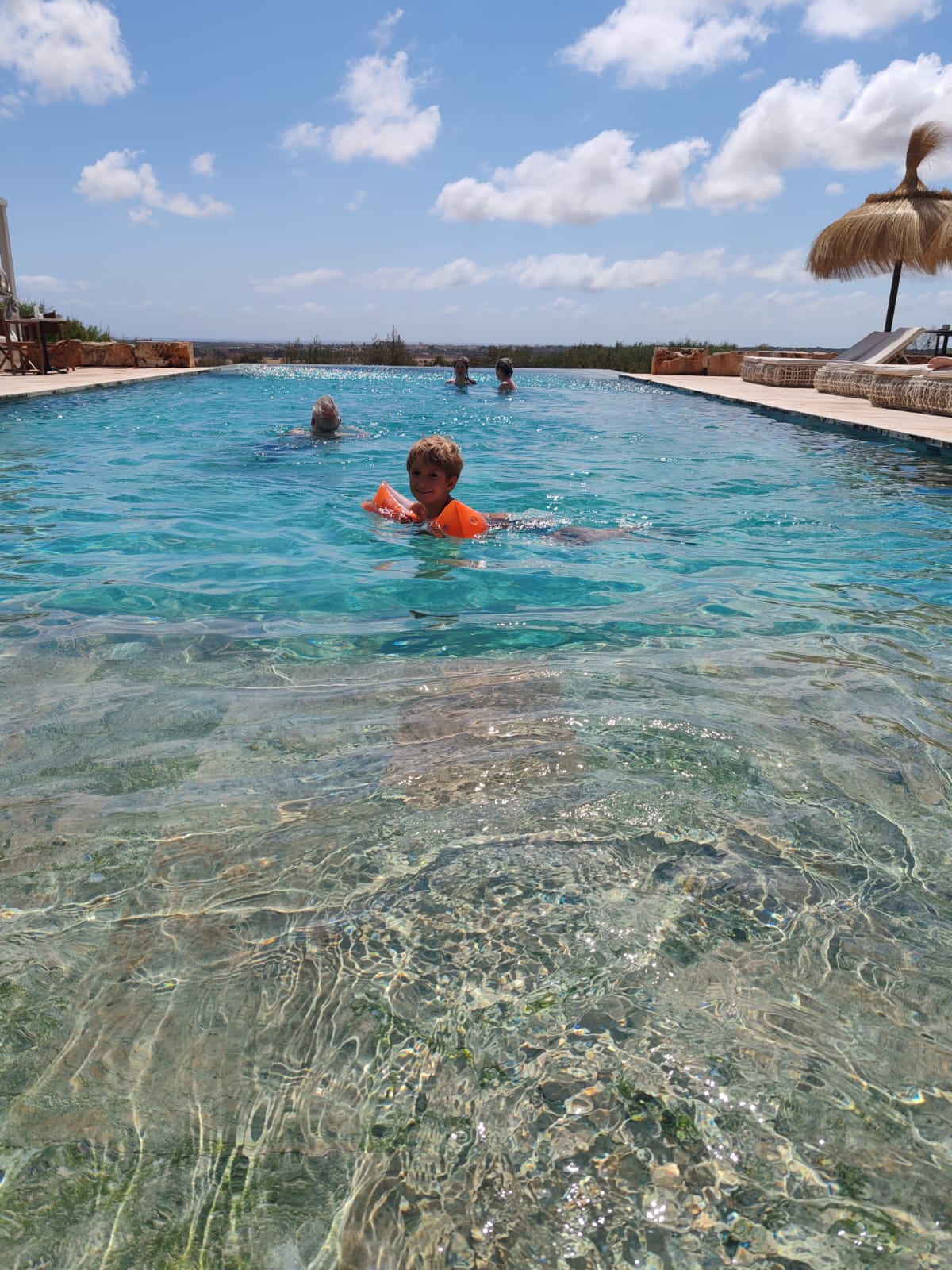
What if your next family adventure wasn't about visiting as many places as possible, but about discovering what happens when you stay a little longer? Imagine spending a month in a Mediterranean village instead of changing hotels every three days. Your children begin recognizing familiar faces, you discover a favorite local bakery, and ordinary walks turn into opportunities to explore your surroundings together. This is the idea behind slow travel. Instead of trying to see everything, you spend more time experiencing a place, developing routines, and connecting with the people around you.
What Is Slow Travel?
Slow travel emphasizes spending meaningful time in fewer places rather than moving rapidly between destinations. You might explore a local market, spend an afternoon at a playground, revisit a favorite beach, or discover a neighborhood away from the main tourist areas. For families, this approach can leave more room for children's natural rhythms. Not every day needs to be an adventure; sometimes the most valuable experiences happen when you have nowhere particular to be.
1. Less Moving, More Discovering
Frequent travel involves packing, transportation, checking in, planning routes, and helping children adjust to new surroundings. Staying longer means doing these tasks less often and gives you more time to understand the local area.
2. Children Have More Time to Settle In
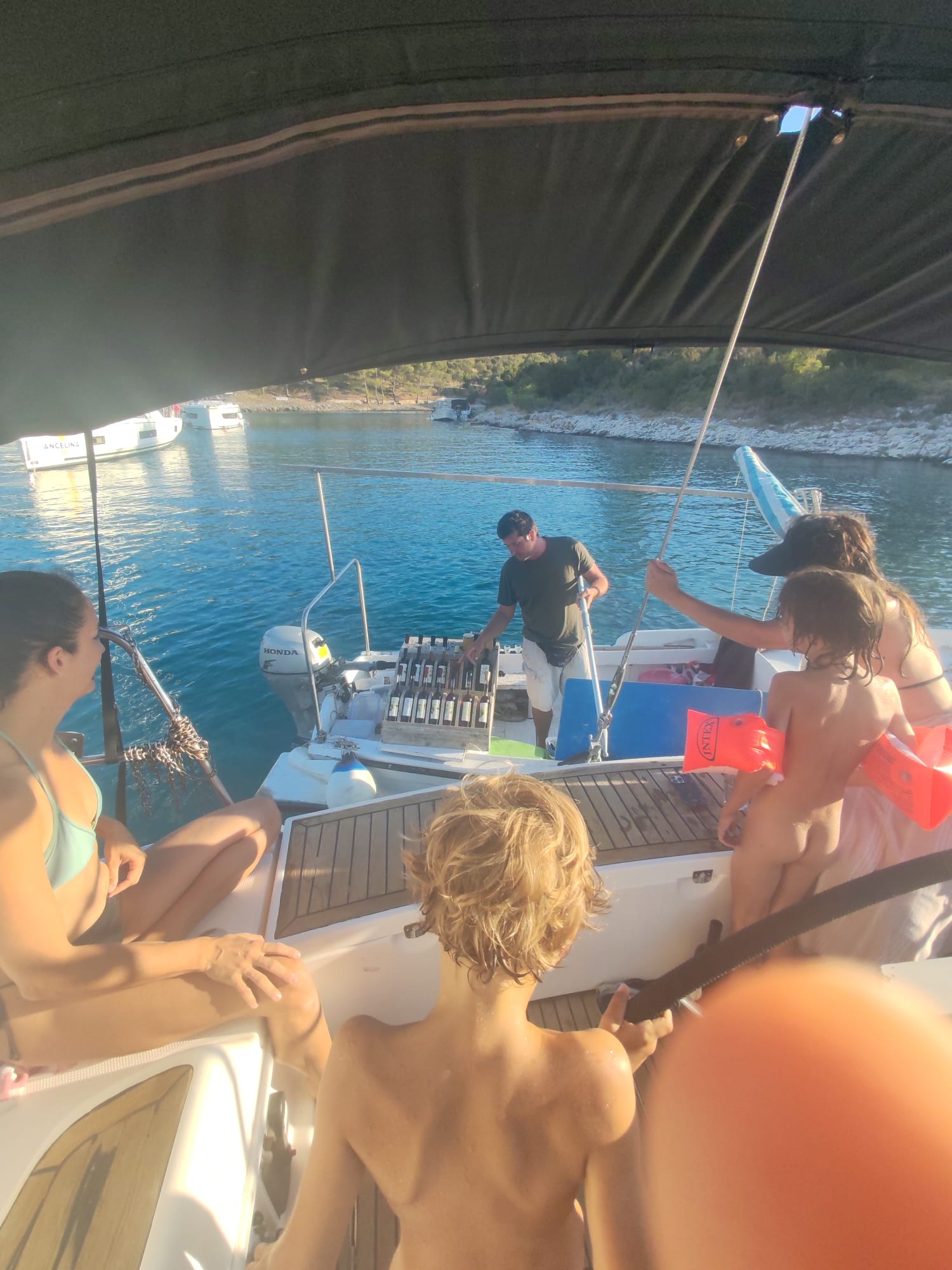
Some children immediately enjoy unfamiliar environments, while others need time to adjust. A slower pace lets children recognize people, return to favorite places, and become more confident in their surroundings. Longer stays can also create more chances to see the same people repeatedly and develop friendships.
3. Slow Travel Creates Opportunities to Meet Other Families
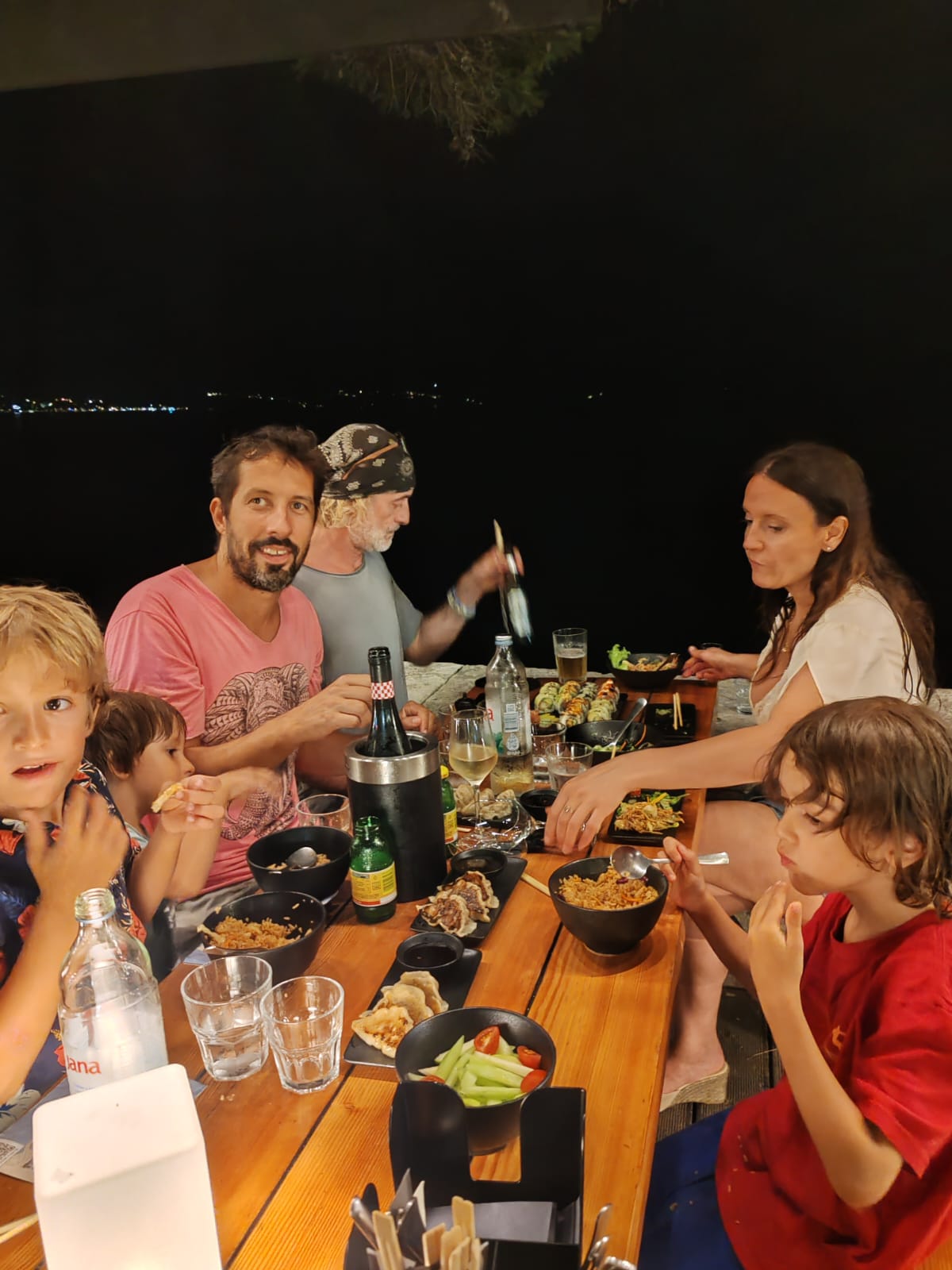
When you stay in a destination for several weeks, you have more chances to discover family activities, attend community events, and meet other traveling families. Families Planet is designed to help families discover potential connections and explore places along their journeys.
4. Everyday Experiences Become Part of the Adventure
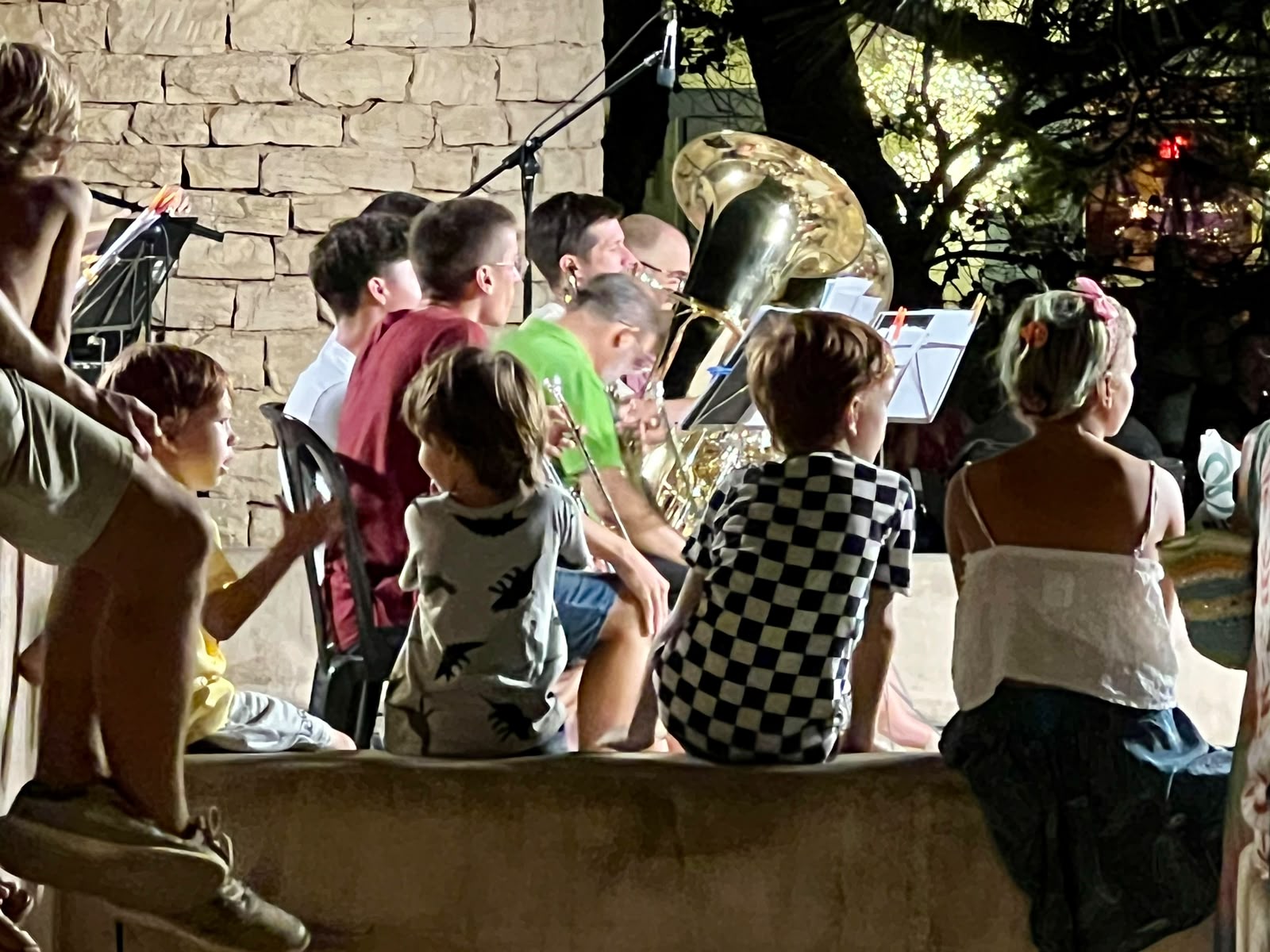
A local market can introduce children to ingredients, languages, and cultural traditions. Walking through a neighborhood can reveal differences in architecture and daily routines. For worldschooling families, these experiences can complement structured learning and encourage curiosity.
5. Slow Travel Can Help Manage Costs
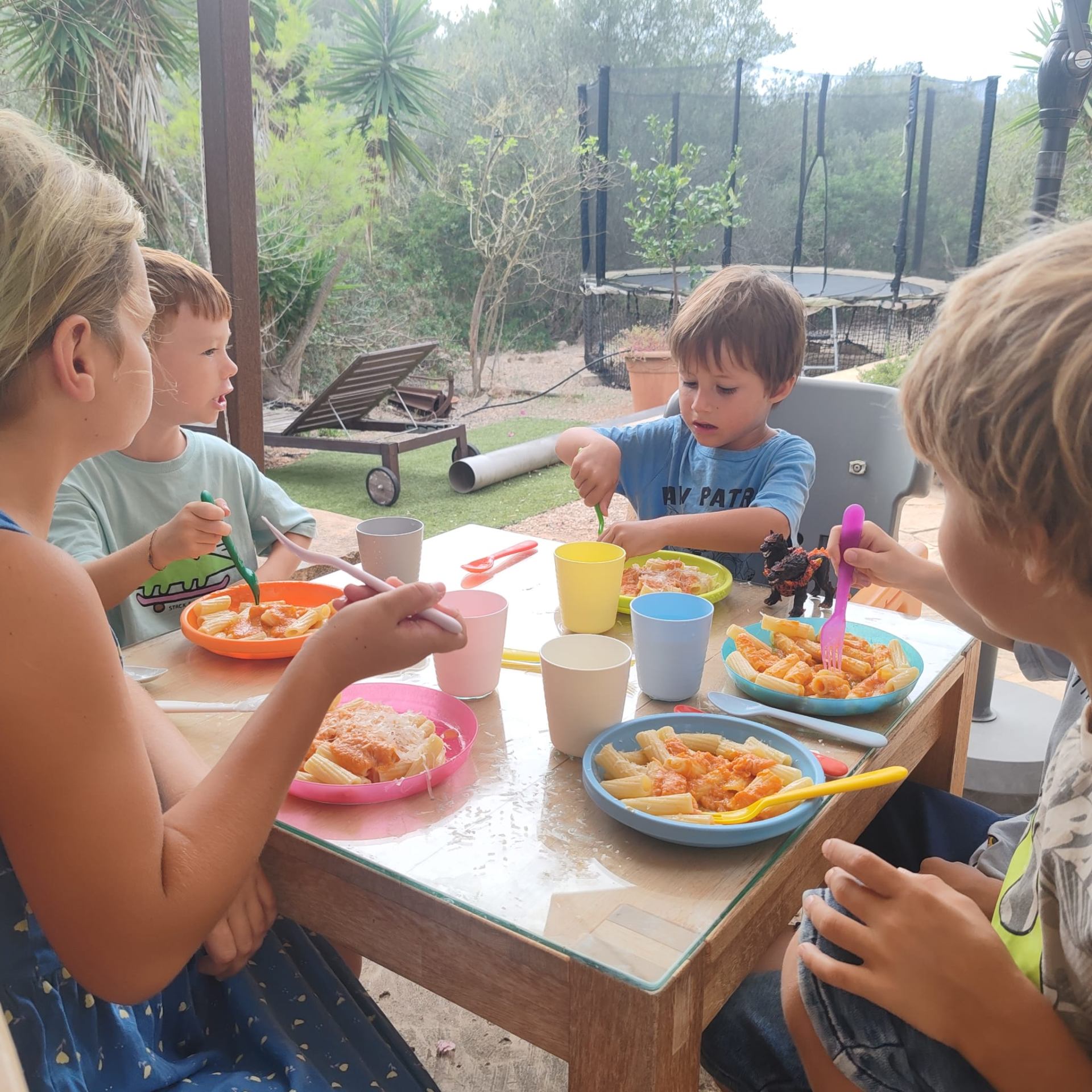
Longer accommodation bookings may offer lower nightly rates, and staying in one place can reduce transportation expenses. Having access to a kitchen can make some meals easier to manage. However, a longer stay is not automatically cheaper: compare the total costs, including utilities, deposits, seasonal prices, and transport.
6. How to Plan a Slow Travel Adventure

Choose a destination that suits your interests and practical needs. Research accommodation, transport, healthcare access, outdoor spaces, and activities. Avoid filling every day with excursions, and leave room for rest and spontaneous discoveries. Research community opportunities before arriving, and keep your itinerary flexible.
Slow Travel Doesn't Mean Doing Nothing
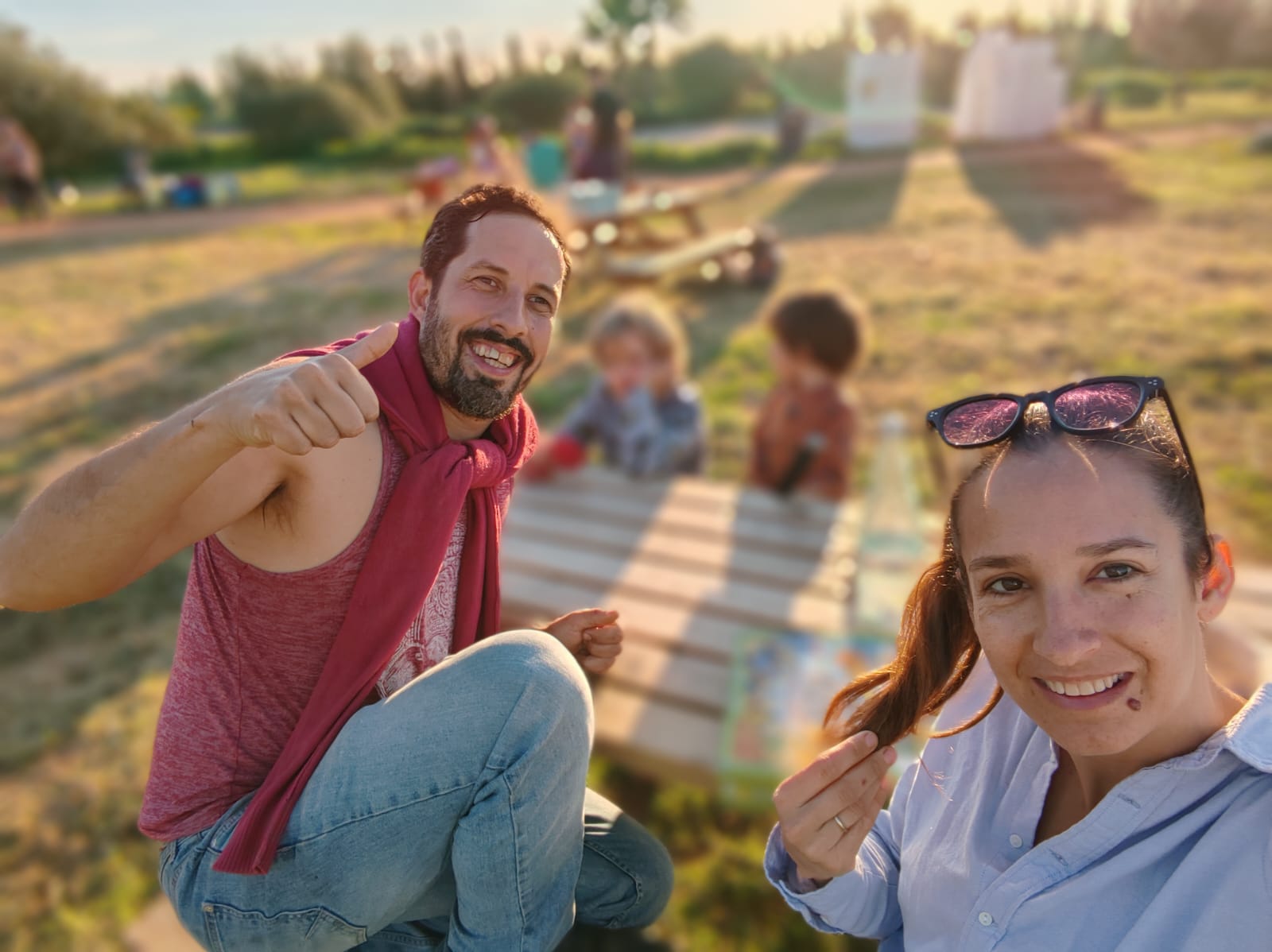
You might spend a week exploring a coastal region, followed by several weeks discovering local culture and nature. The important thing is to create a rhythm that suits your children, budget, and interests.
Is Slow Travel Right for Your Family?
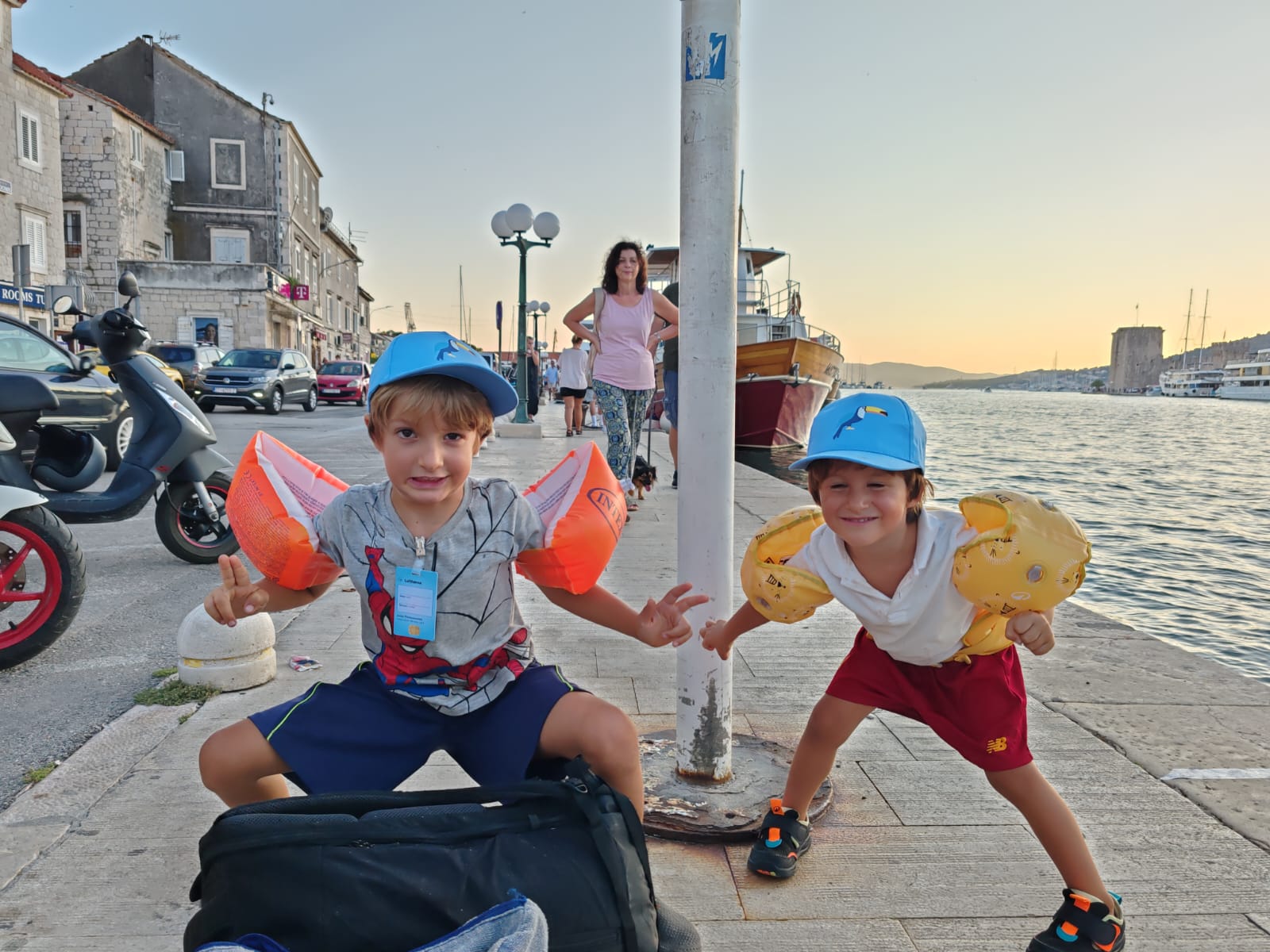
Slow travel can suit families who want time to explore, build routines, and experience destinations beyond their main attractions. Other families may prefer frequent movement or have limited holidays. Choose an approach that fits your circumstances. The best journey isn't necessarily the one that covers the most distance. Sometimes, staying longer is what allows you to discover more. Explore new places and discover potential family connections with Families Planet.