 Families Planet
How to Help Children Learn About Other Cultures Through Travel
· 3 min read
Written by a family that actually lives this. We've moved around Europe and Asia with our kids, love a long board-game evening (ask us about Catan), and run Families Planet from Mallorca. Below is what we'd tell a friend, kept practical. Where something depends on your country or your kids, we say so.
Travel can introduce children to different languages, foods, customs, landscapes, and ways of organizing everyday life. But simply visiting a place does not automatically create cultural understanding. Children learn more when adults encourage curiosity, avoid stereotypes, and make space for local people to describe their own experiences.
Prepare with curiosity, not a list of stereotypes
Before visiting, explore a little local history, geography, language, and everyday life. Use books, maps, music, or age-appropriate documentaries. Avoid describing an entire country or community as if everyone shares the same beliefs, food, or lifestyle.
Learn a few useful local phrases
Greetings, please, thank you, and polite ways to ask for help can make interactions more respectful. Practise pronunciation together and explain that making mistakes is part of learning. Do not expect local people to become unpaid language teachers; accept their response if they are busy.
Choose experiences that involve real local voices
Consider community-run tours, local museums, cultural centres, workshops, markets, or events that welcome visitors. Research who runs the experience and whether photography or participation rules apply. Be cautious about attractions that treat people as spectacles or allow visitors to enter private or sacred spaces without clear permission.
Teach children to ask before photographing
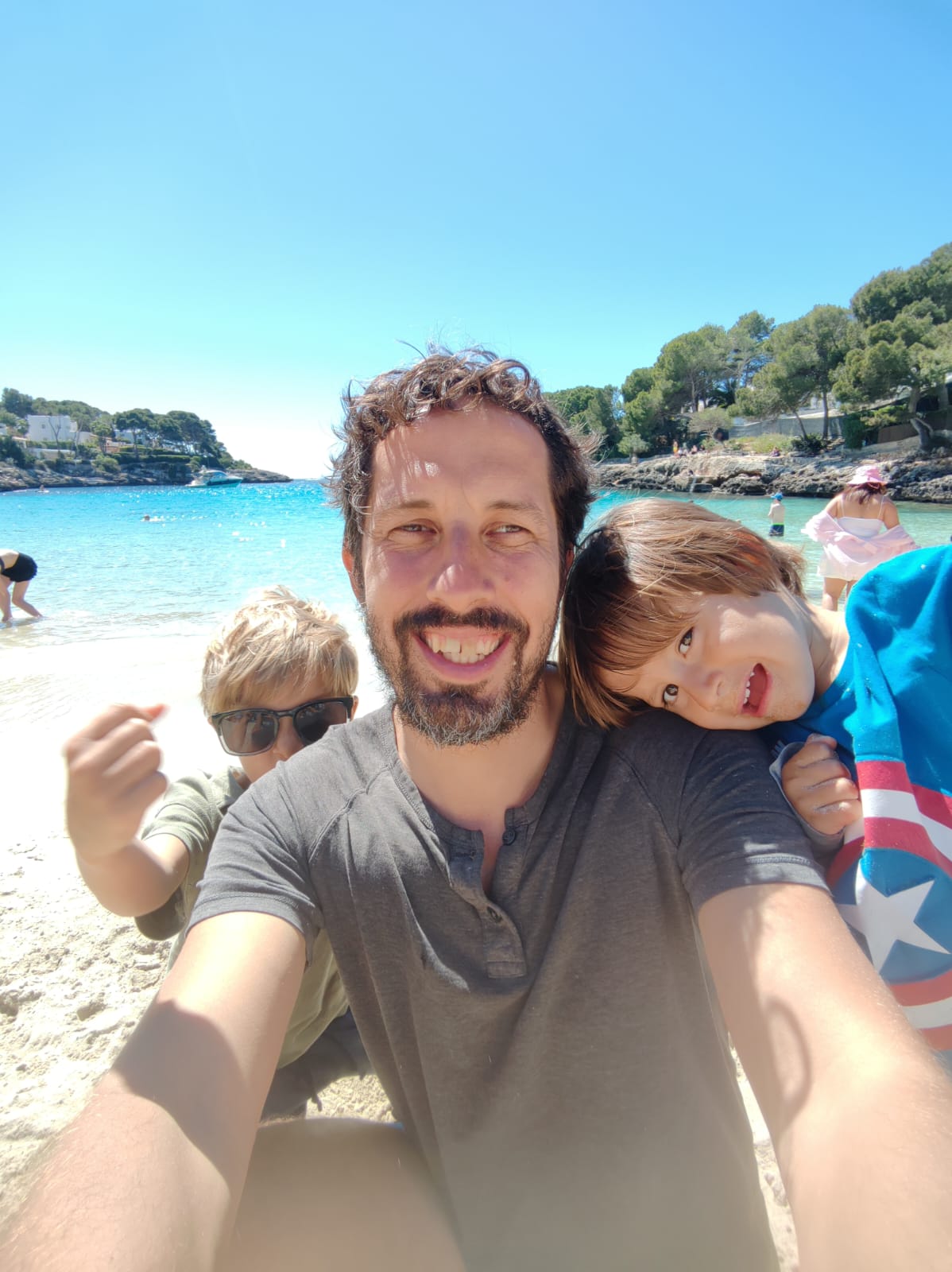
Explain that people are not scenery. Ask permission before taking close-up photos of individuals, and respect a no without arguing. Follow posted rules at religious, cultural, and community sites. In some settings, photography may be restricted for reasons that are not obvious to visitors.
Talk about differences without ranking them
Children may notice different foods, clothing, housing, languages, or family routines. Invite them to describe what they see without labelling it strange or inferior. Explain that practices vary within communities and change over time. Curiosity works better than turning one encounter into a claim about everyone.
Connect culture to daily life
A visit to a grocery store, public transport ride, shared meal, or local playground can prompt thoughtful questions about routines and the built environment. Let local people and context guide what you conclude; one neighbourhood cannot represent an entire country.
Reflect after the experience
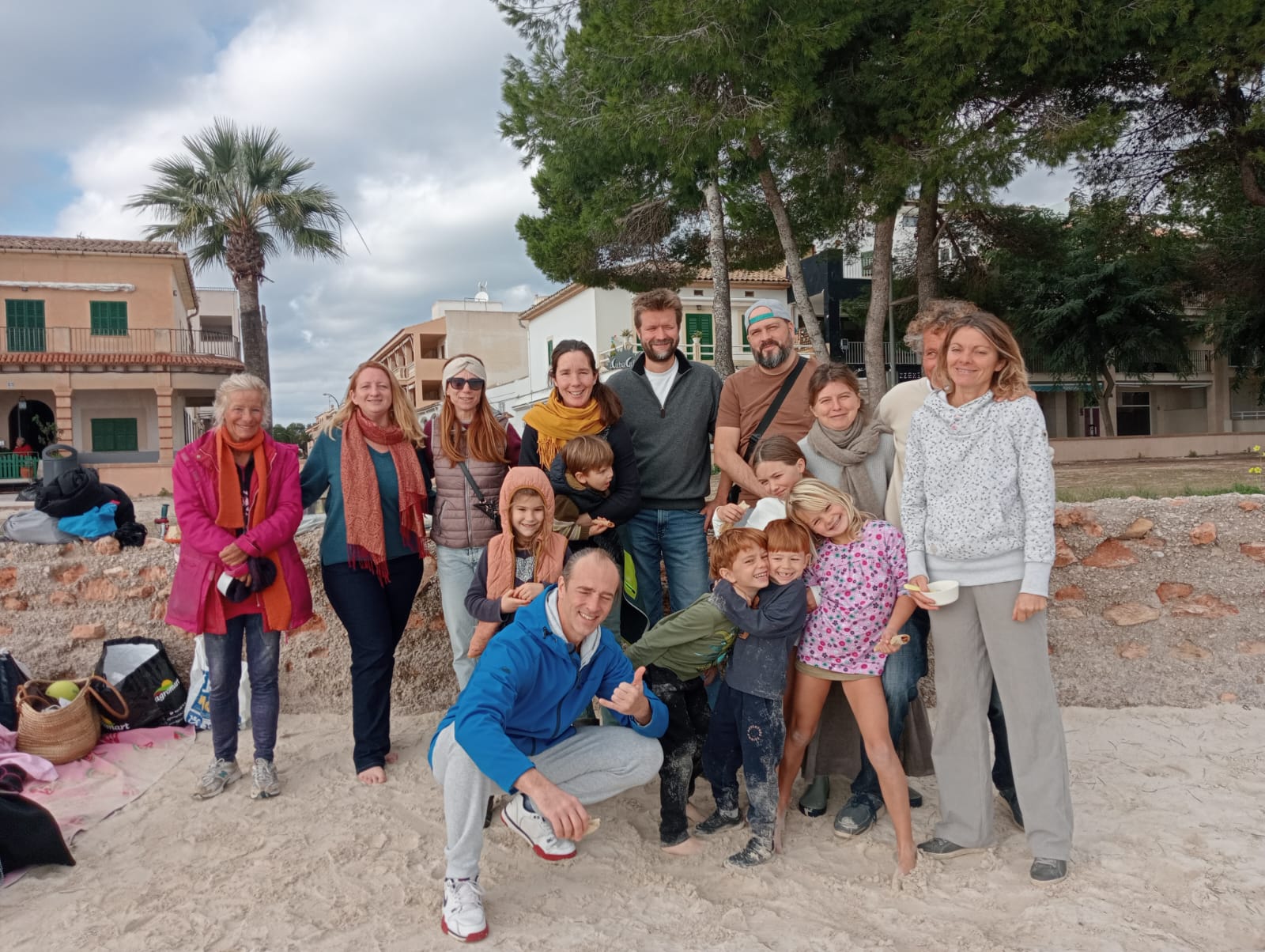
Ask what surprised your child, what they would like to understand better, and whether anything they expected turned out differently. If a misunderstanding occurred, talk it through without shaming them. Reflection helps turn a memorable outing into a learning experience.
A practical next step
Before each cultural activity, ask three questions: Who is telling this story? Is participation welcomed and respectful? What can we learn without assuming one person represents an entire community?
Frequently asked questions
At what age can children learn about other cultures?
Children can begin noticing language, food, and routines from an early age. The explanations should match their development and avoid treating cultural groups as all the same.
How do we avoid cultural stereotypes when travelling?
Use multiple sources, listen to local voices, ask respectful questions, and make clear that communities contain many different experiences and viewpoints.
Should we visit religious or sacred sites with children?
If visitors are welcome, explain expectations in advance and follow local guidance on clothing, behaviour, photography, and restricted areas.