 Families Planet
What Is Worldschooling? A Practical Guide for Families
· 12 min read
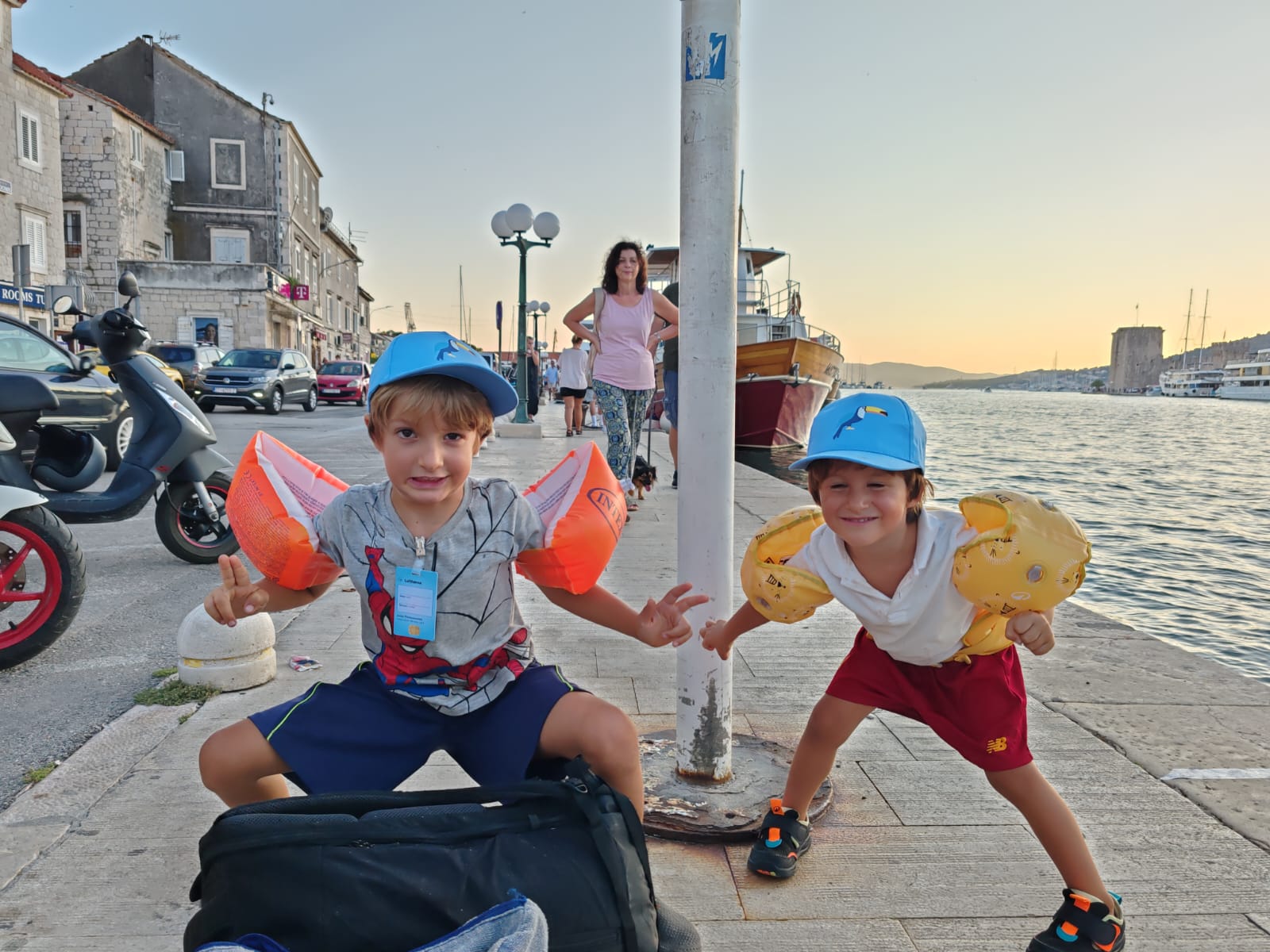
We're the Tóth family. We've travelled through Italy, Spain, Thailand, Morocco and Indonesia with our kids, and these days our base is Mallorca. Below is what we'd tell a friend, kept practical. Where something depends on your country or your kids, we say so.
What if your children's education could extend beyond the classroom and become part of the world they explore every day?
Imagine learning about ancient history while walking through Roman ruins, practising a foreign language at a local market, or discovering marine life during a family trip to the coast. These are examples of the experiences that inspire many families to explore worldschooling.
But what is worldschooling, exactly? Does it mean travelling full-time? Do children have to leave traditional school? And can a family try worldschooling without completely changing its lifestyle?
This guide explains the worldschooling meaning, explores different ways families approach it, and offers practical steps for beginners who want to bring more real-world learning into their children's lives.
What Is Worldschooling?
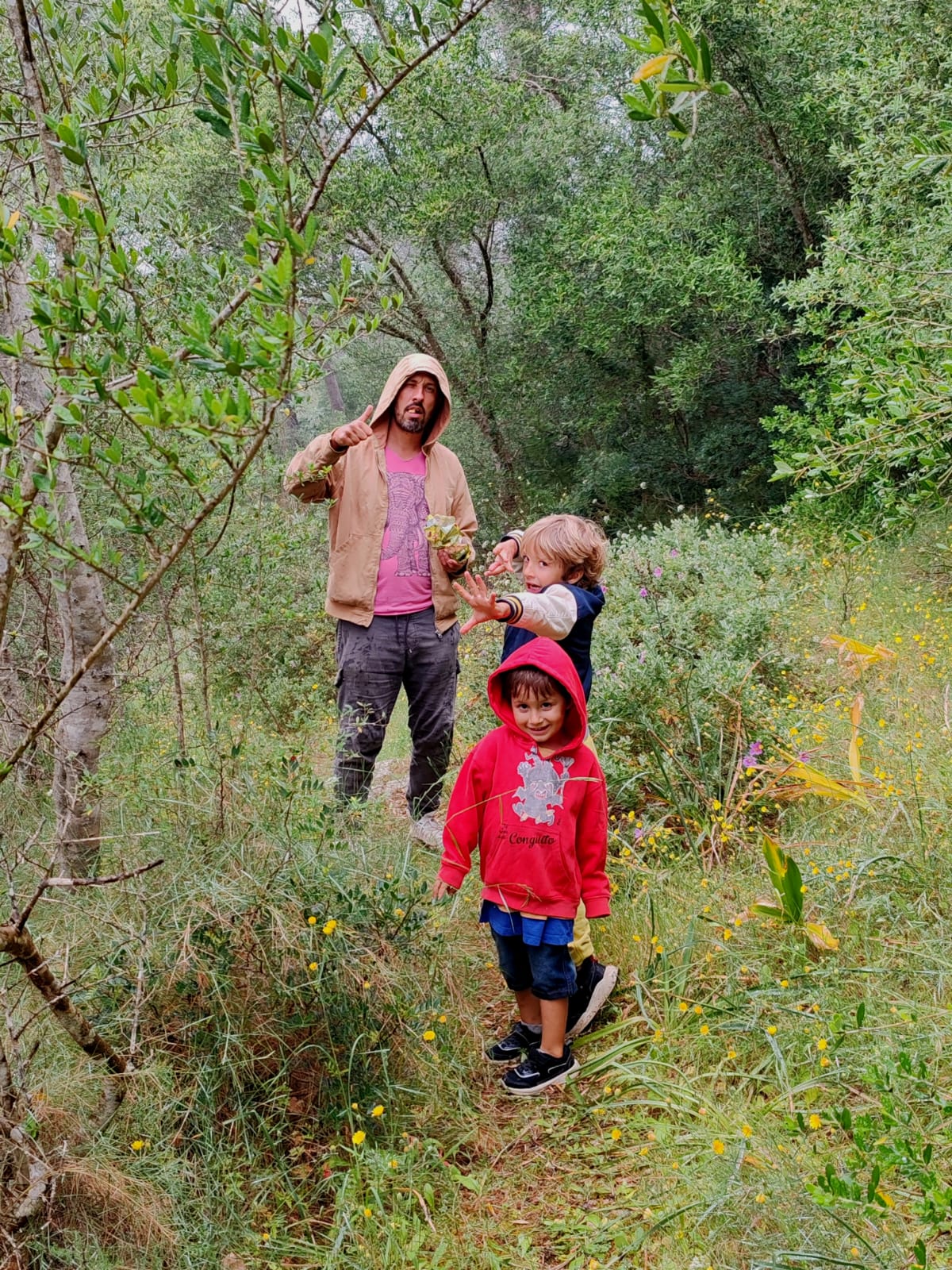
Worldschooling is an approach to learning that uses the world beyond the classroom as an important educational resource.
Instead of relying exclusively on textbooks and lessons, families create opportunities for children to learn through travel, cultural experiences, local communities, nature, practical activities and everyday life.
The idea is simple: the world itself can become part of the learning environment.
A child might learn about geography by navigating a new city, history by visiting a historical site, biology by exploring a forest, or language by interacting with people in another country.
Worldschooling does not have one universally agreed definition or a single prescribed method. Different families interpret it in different ways, depending on their circumstances, educational preferences and approach to travel.
For some, worldschooling means travelling around the world for months or years. Others use it to describe a more flexible educational lifestyle that combines a home base with regular trips, cultural activities and hands-on learning.
What connects these approaches is the intention to make real-world experiences an important part of children's education.
What Does Worldschooling Mean in Everyday Life?
The worldschooling meaning becomes easier to understand when you look at what it can involve in practice.
A worldschooling family might spend the morning reading, writing or working through a maths programme before exploring the surrounding area in the afternoon. Another family might organise its learning around a particular destination, using the local environment, culture and history as starting points.
For example, a family visiting Greece might:
- Explore an ancient archaeological site and discuss how people lived in the past.
- Learn about Greek mythology through stories and books.
- Practise reading signs and recognising words in Greek.
- Visit a local market and compare prices, currencies or ingredients.
- Learn about marine ecosystems during a day by the sea.
- Talk with local people about traditions, food and everyday life.
These experiences do not have to replace every conventional lesson. They can complement reading, writing, maths and other structured learning activities.
The important difference is that learning is not limited to a designated school environment. Everyday experiences become opportunities to ask questions, investigate ideas and understand how the world works.
Do You Have to Travel Full-Time to Try Worldschooling?
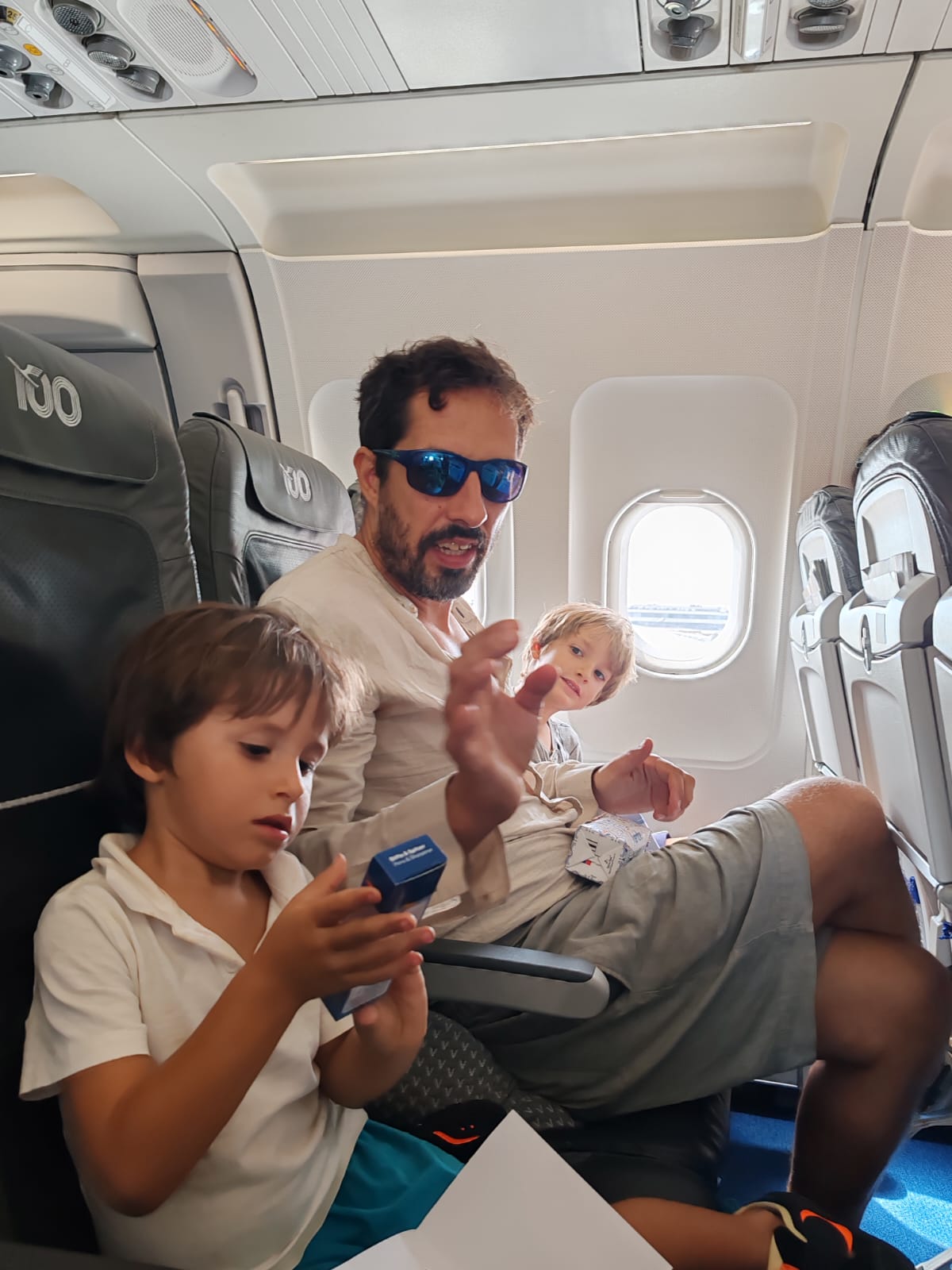
No. Full-time travel is one possible form of worldschooling, but it is not a requirement for every family using this approach.
Worldschooling families have different lifestyles, budgets and responsibilities. Some travel continuously, some move between a few locations throughout the year, and others maintain a home base while making travel and cultural experiences part of their children's education.
Here are three common ways families approach worldschooling.
1. Full-Time Travel
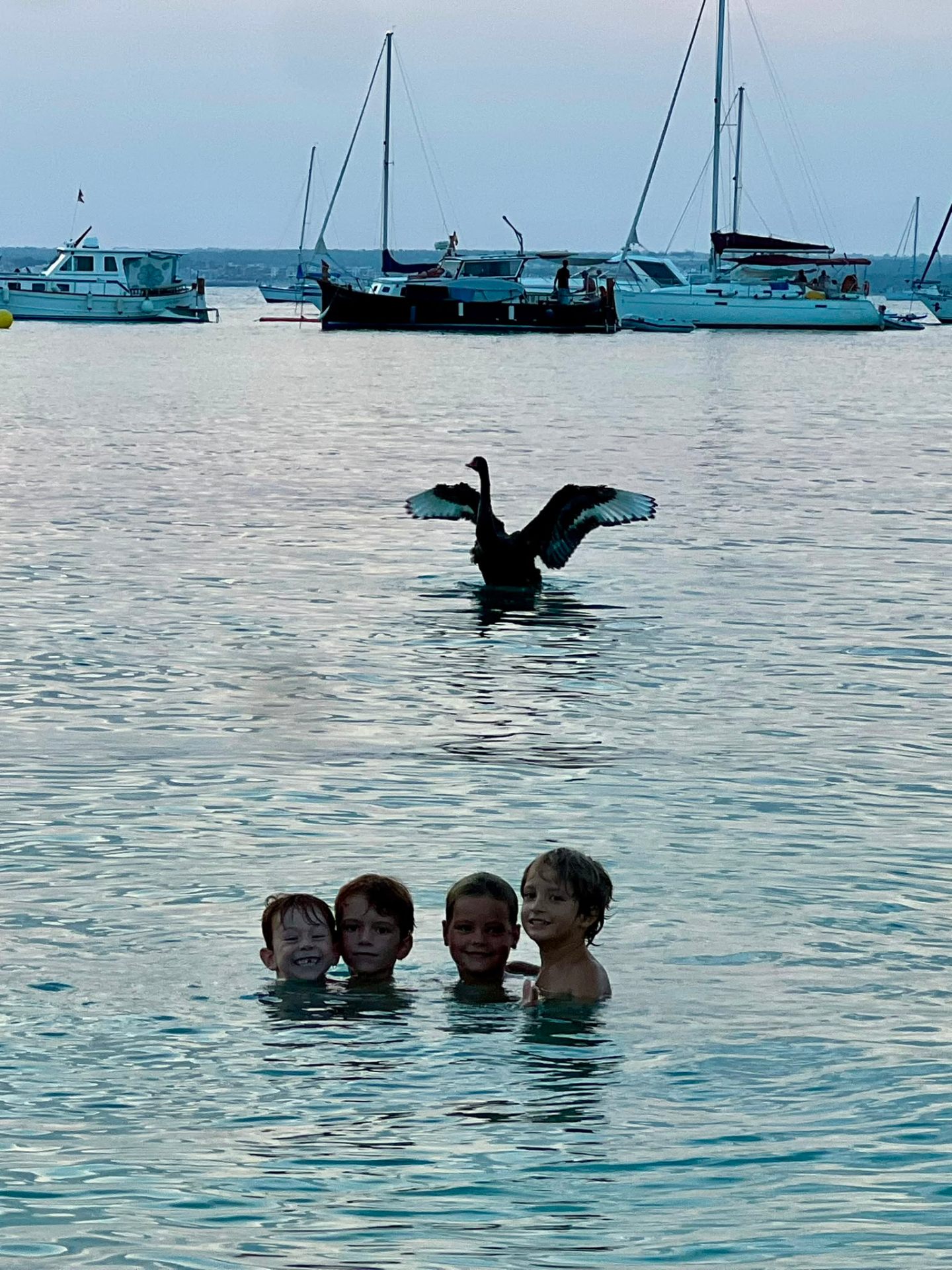
Some families travel from country to country for extended periods. Their children learn through a combination of travel experiences, independent study, educational resources and interactions with different communities.
This lifestyle can provide frequent opportunities for cultural immersion, but it also requires planning around accommodation, transport, finances, routines and education.
2. Slow Travel and Longer Stays
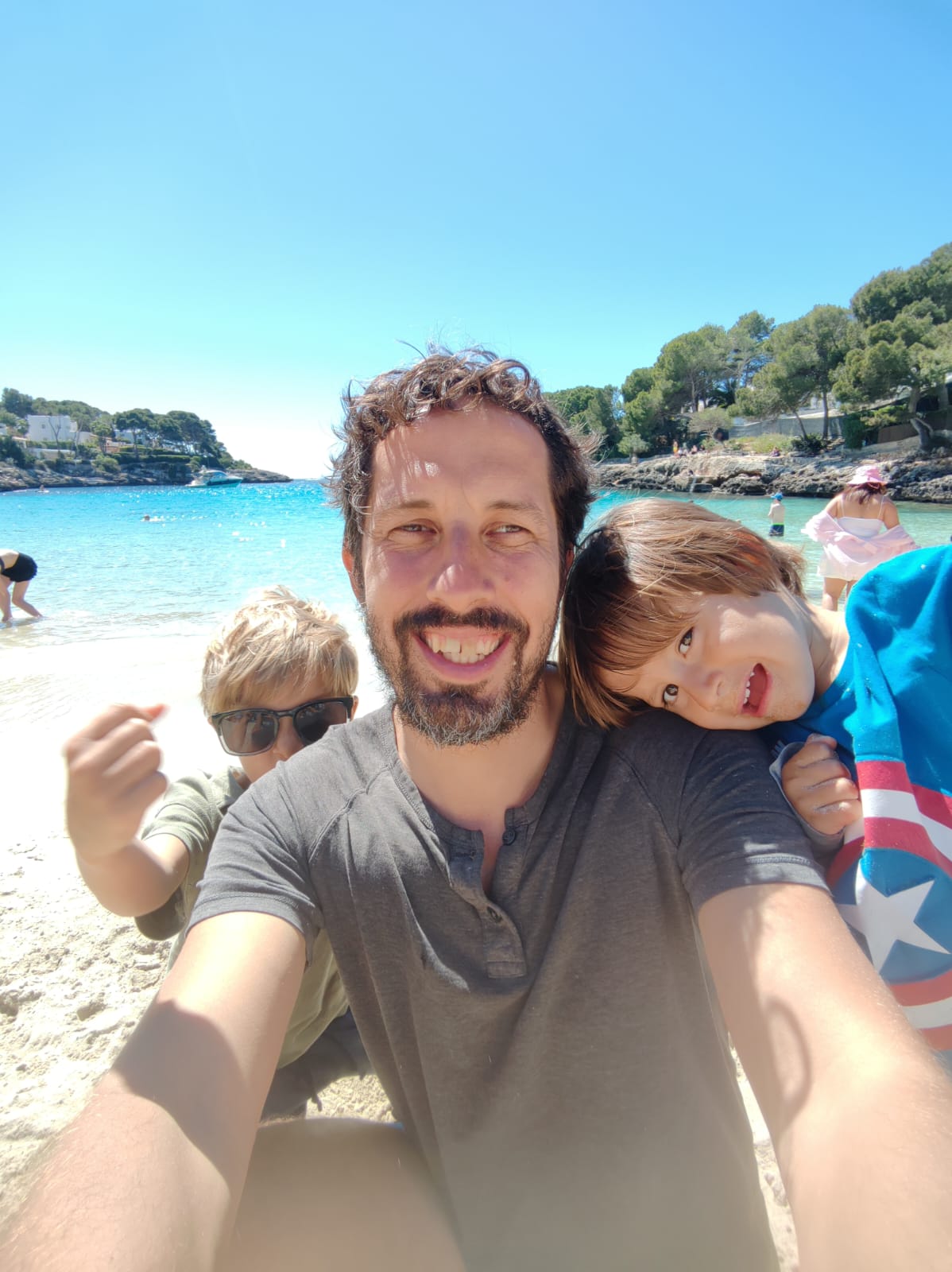
Other families spend several weeks or months in one destination before moving on.
Rather than visiting many places in a short period, they take time to explore local life, develop friendships, learn about the surrounding environment and establish a routine.
Longer stays can also make it easier for children to participate in activities and see the same friends repeatedly.
3. Worldschooling From a Home Base
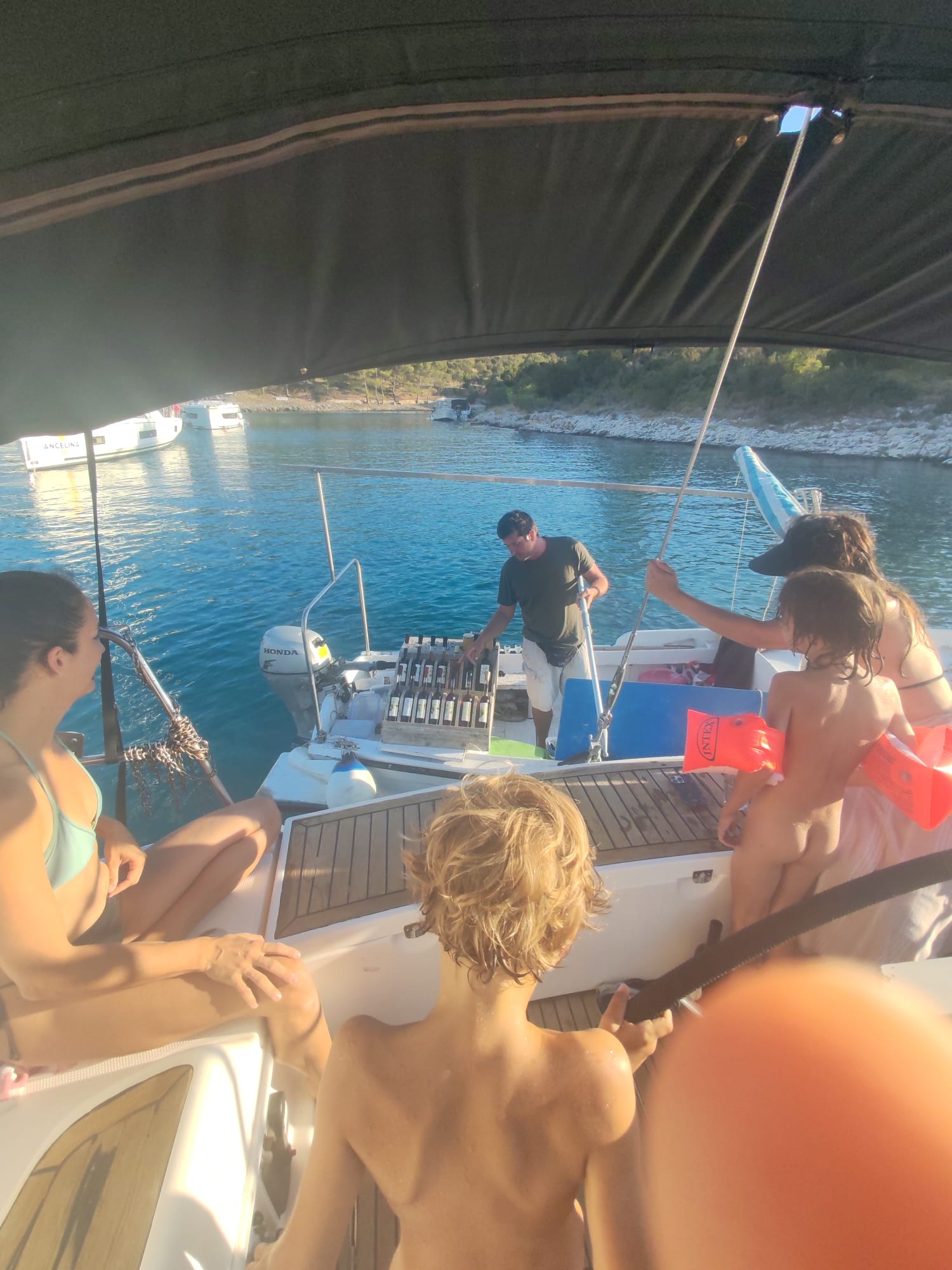
A family does not necessarily need to live out of a suitcase to embrace worldschooling.
Regular trips, museum visits, cultural workshops, nature activities, local community events and conversations with people from different backgrounds can all contribute to a more experiential approach to learning.
This option may be particularly appealing to families who want to explore worldschooling without immediately committing to long-term travel.
The right approach depends on your family's circumstances. You do not have to adopt someone else's lifestyle to explore learning through travel.
What Are the Benefits of Worldschooling?
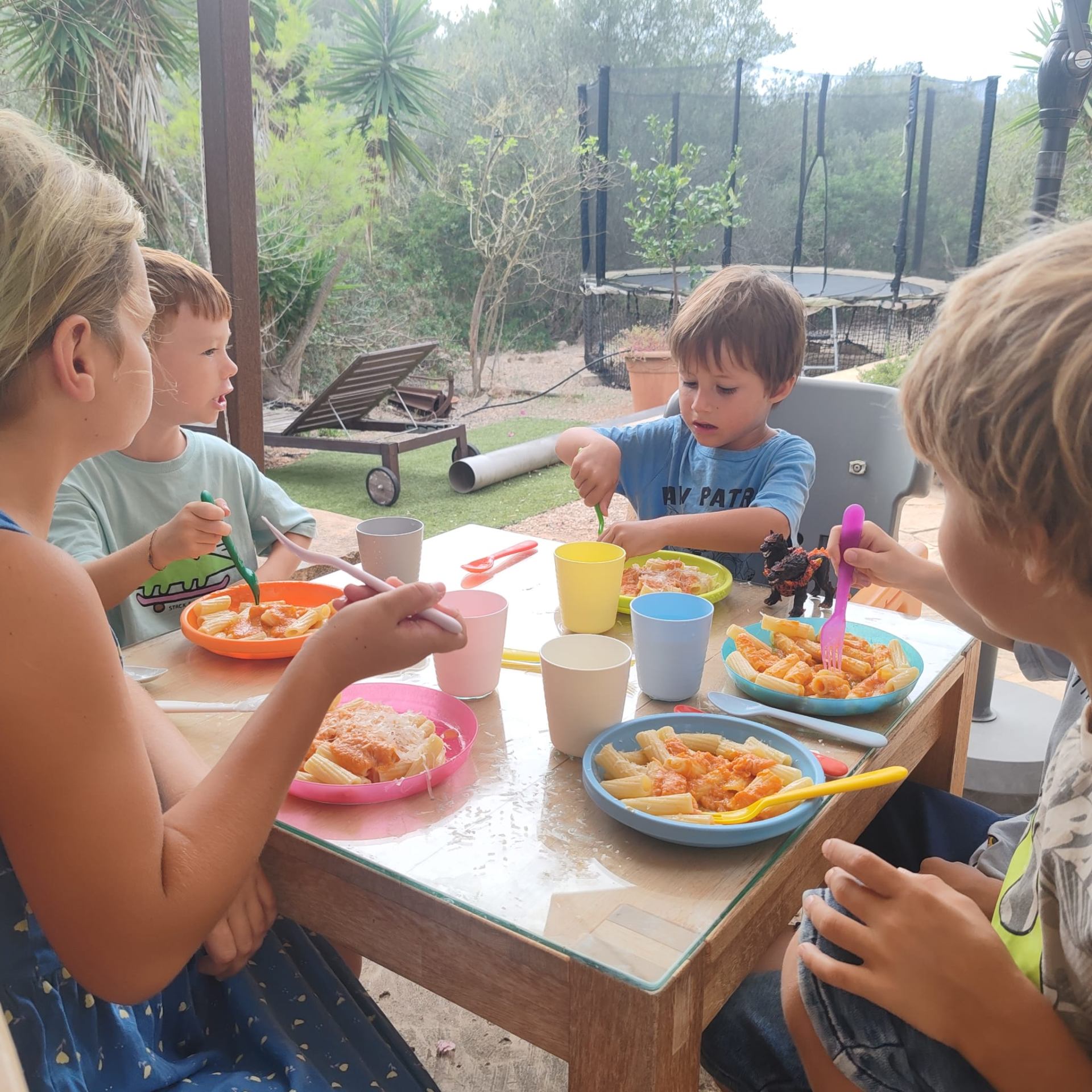
Worldschooling can create opportunities for children to connect what they learn with real experiences. However, the benefits depend on how the approach is organised and what works for an individual child.
Learning Through Real-Life Experiences
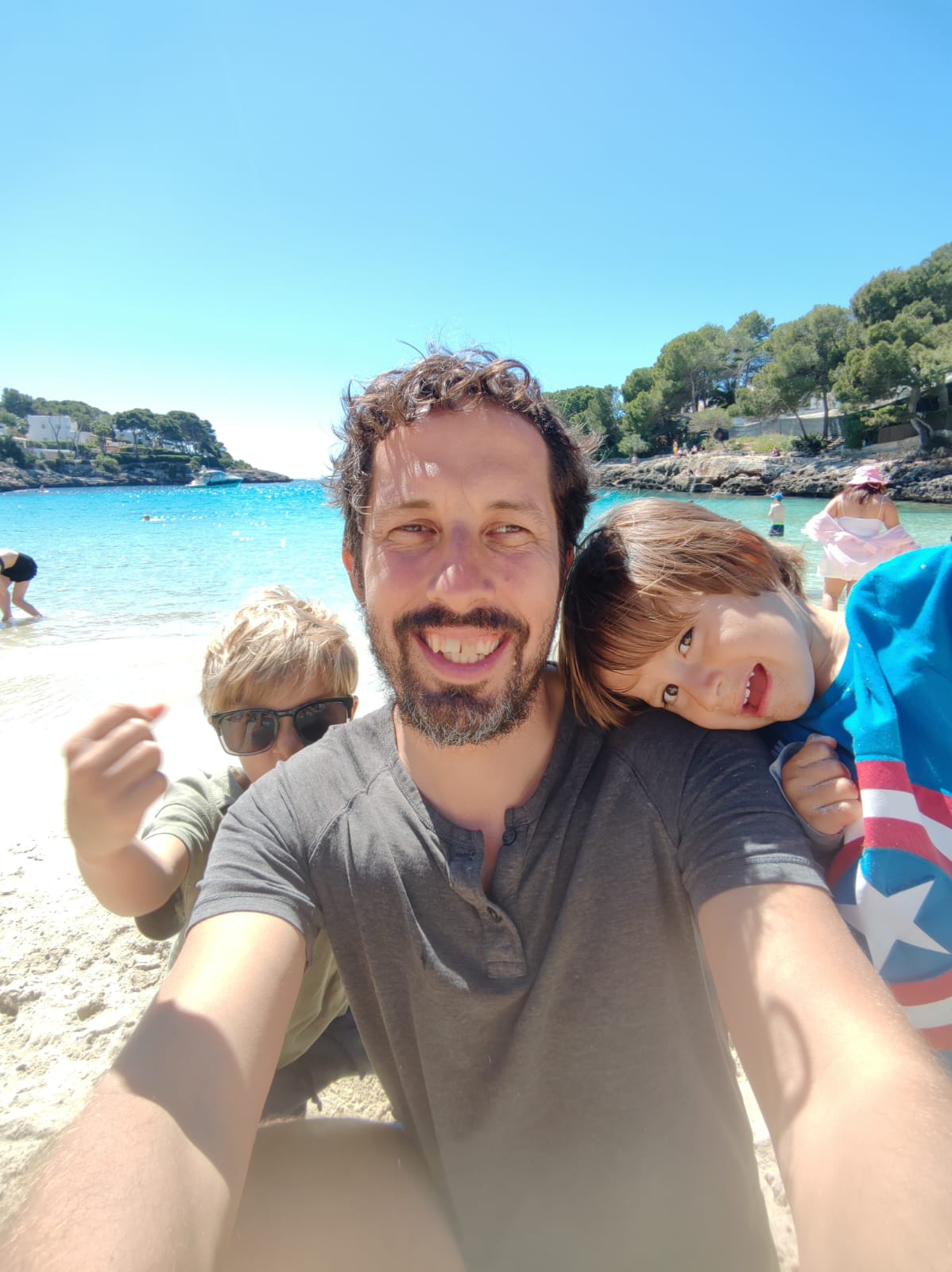
Some concepts become easier to explore when children can observe them directly.
A visit to a farm can lead to conversations about food production, animals and ecosystems. Exploring a historic town can raise questions about architecture, trade and daily life in the past.
Instead of learning about a subject in isolation, children can connect it with places, objects and people.
Exposure to Different Cultures
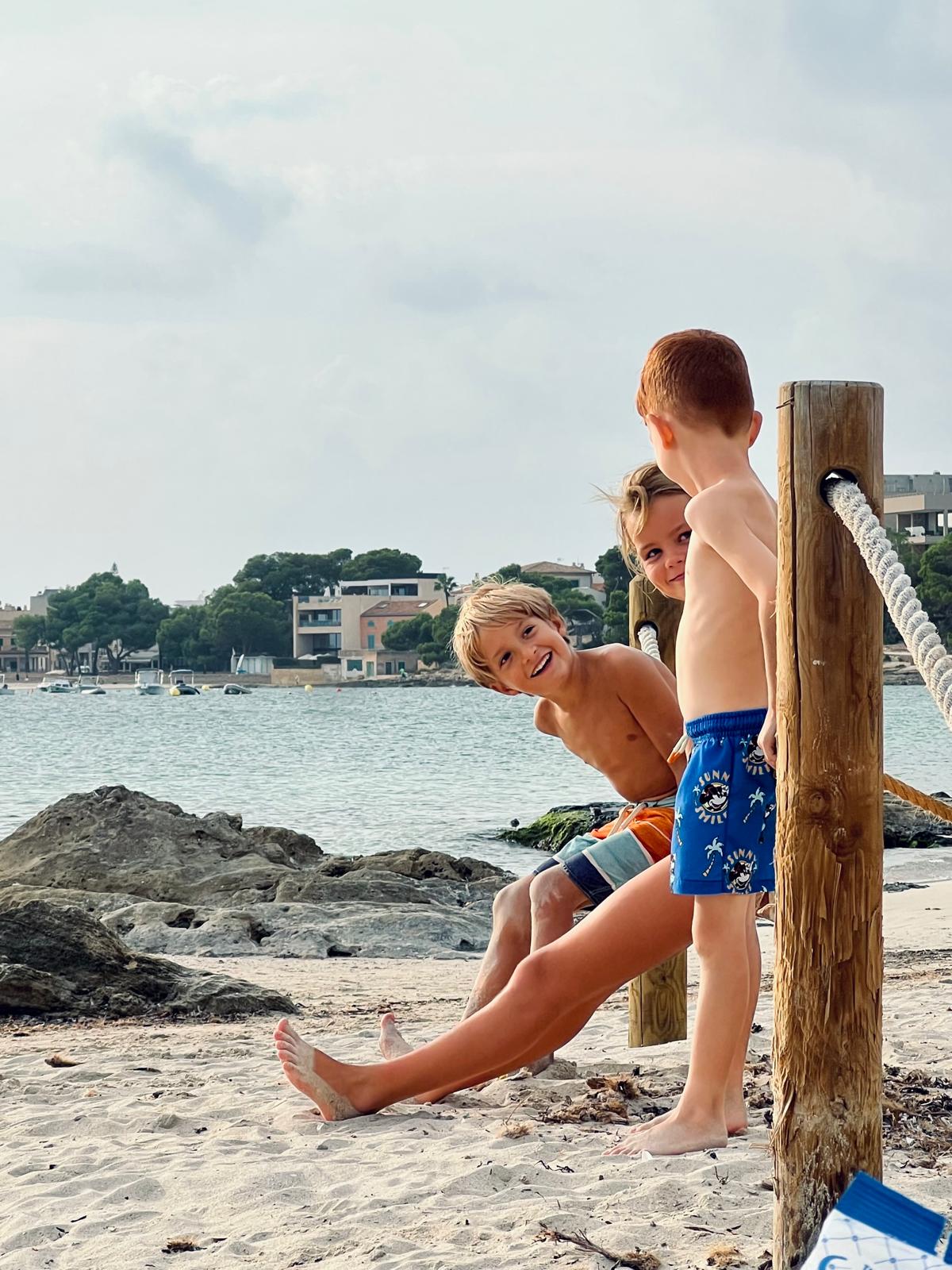
Spending time in different communities can introduce children to new languages, foods, customs and perspectives.
These experiences can encourage curiosity and provide opportunities to discuss similarities and differences between cultures.
The value comes from meaningful engagement rather than simply collecting destinations. Taking time to listen, ask respectful questions and understand local perspectives can make an experience more educational.
Flexibility in How Children Learn
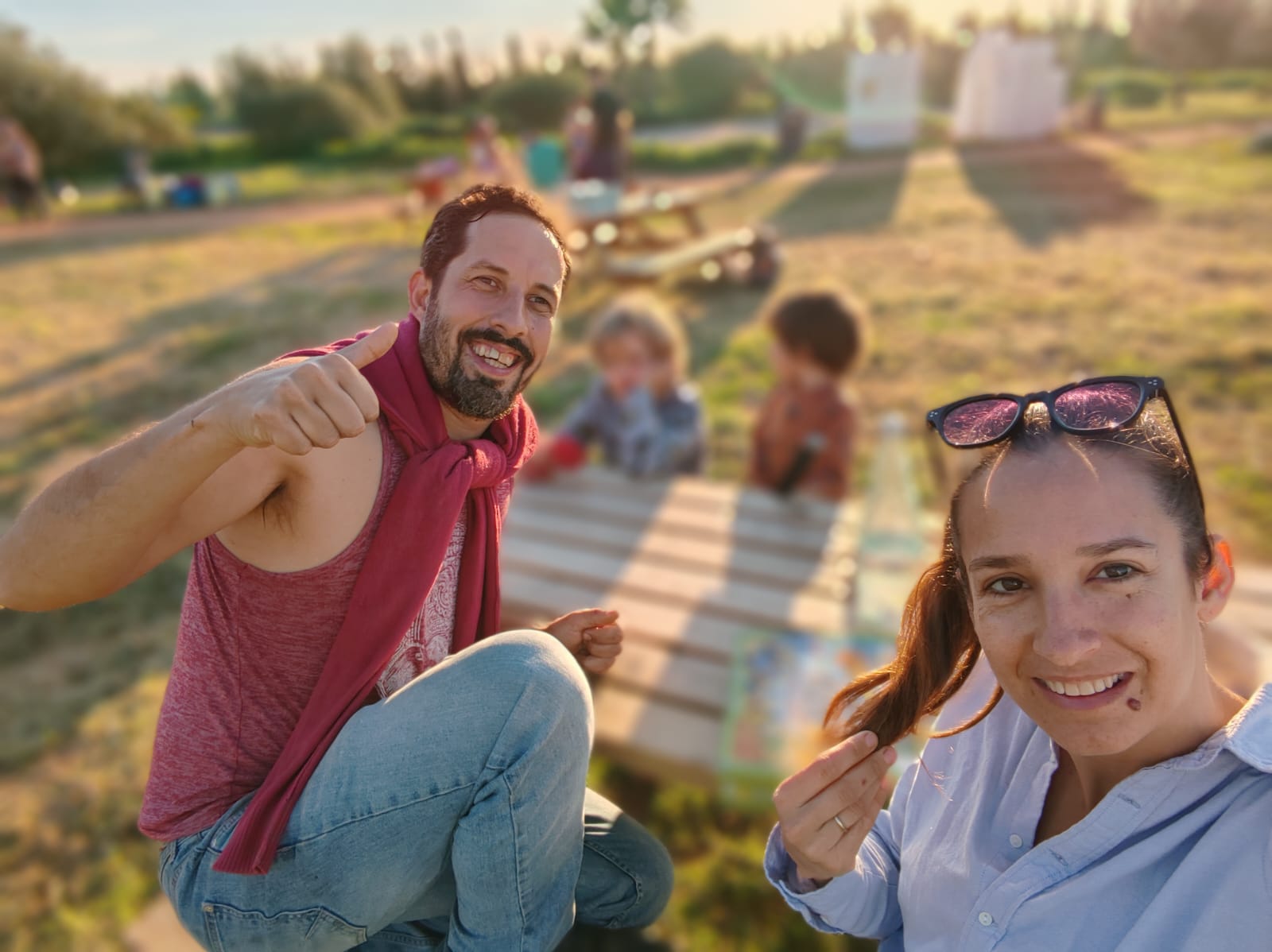
Worldschooling families may have more flexibility in choosing activities, adjusting their daily schedules or following a child's particular interest.
A child fascinated by astronomy might become interested in visiting a planetarium. Another who loves animals might enjoy learning about local wildlife.
This flexibility can help families find engaging ways to explore subjects while continuing to pay attention to their children's individual learning needs.
Opportunities to Build Connections
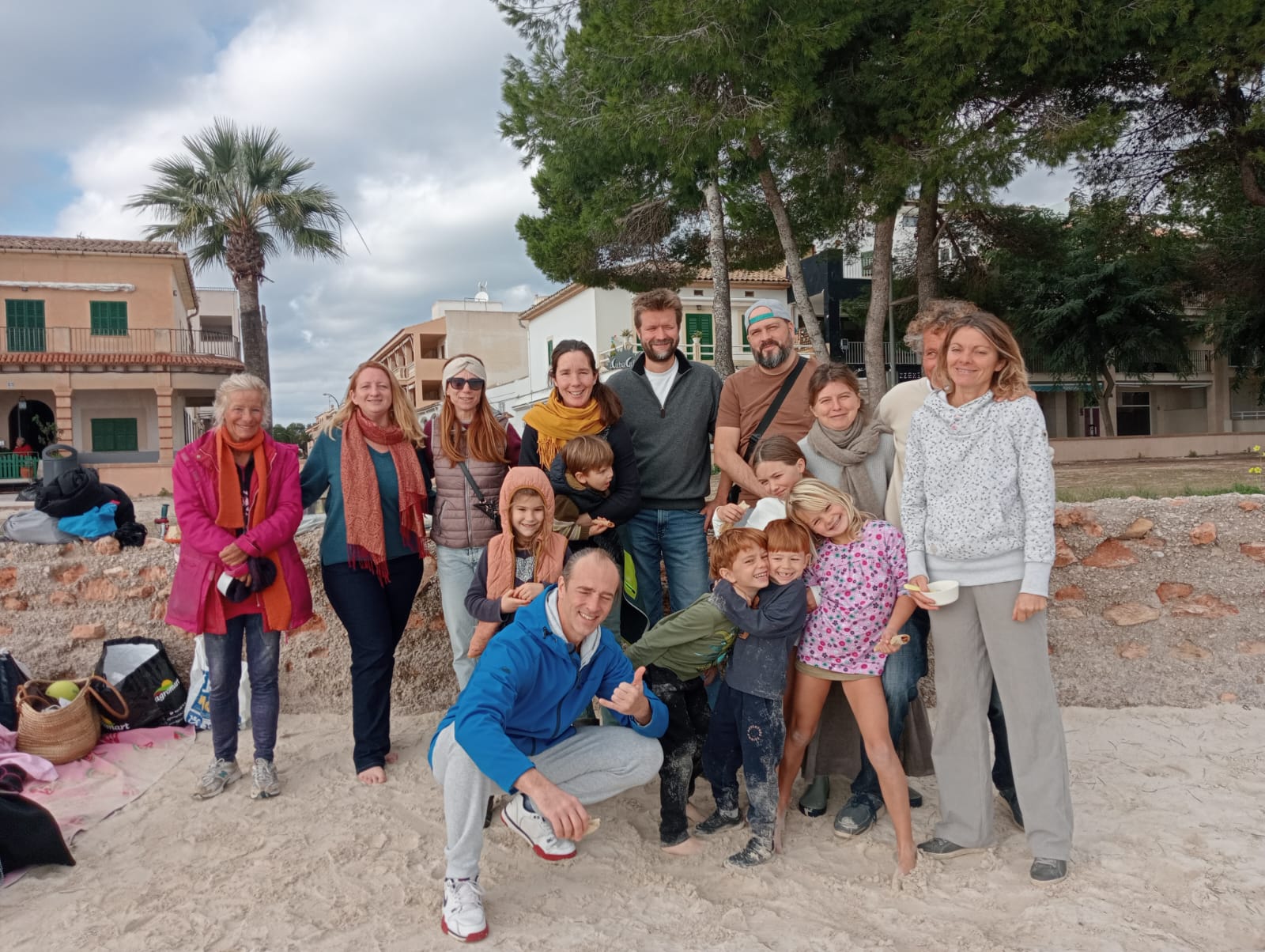
Travel can introduce families to people with different backgrounds and experiences. Children may meet other children through community activities, workshops, sports, educational gatherings and informal playdates.
For families who travel regularly, finding opportunities to form lasting friendships can be an important part of creating a sustainable lifestyle.
Connecting with other families who share similar interests can also give parents a chance to exchange ideas, experiences and practical advice.
What Are the Challenges of Worldschooling?
Worldschooling can be rewarding, but it is not automatically easy or suitable for every family.
Understanding the challenges is an important part of deciding whether this approach fits your circumstances.
Maintaining Educational Consistency
Moving between destinations can make regular routines more difficult.
Families may need to plan time for reading, writing, maths and other learning activities while allowing space for exploration. The balance will depend on the children's ages, needs and educational arrangements.
A flexible lifestyle still benefits from clear expectations and a realistic plan.
Finding Friends and Community
Travelling frequently can make it harder for children to maintain friendships.
Some families address this by staying longer in each destination, returning to places where they have friends, or attending gatherings with other traveling families.
Online communities and map-based platforms can also help families discover people and activities in unfamiliar locations.
If building connections is a priority, read our guide on "how to find other traveling families around the world" (/blog/meet-other-traveling-families).
Managing Costs and Practical Arrangements
Long-term travel can involve substantial expenses, including accommodation, transport, food, activities and educational resources.
The financial reality varies considerably between families and destinations. Some travel slowly and keep costs low, while others have larger budgets or continue working remotely.
Before making a major change, consider your income, savings, healthcare arrangements, insurance, travel documents and the practical needs of your children.
Understanding Education Requirements
Worldschooling is an educational approach, not a universal legal status that automatically exempts a child from school attendance requirements.
The rules that apply can depend on factors such as the family's country of residence, the child's circumstances and the education arrangement being used.
Before changing your child's schooling arrangements or relocating, check the current requirements with the relevant official authorities. Do not assume that rules are the same in every country.
How to Start Worldschooling: A Beginner's Guide
You do not need to plan a year-long trip around the world to explore worldschooling.
If you are curious about this approach, start with a few manageable steps.
Step 1: Define What You Want for Your Family
Ask yourself what attracts you to worldschooling.
Perhaps you want to travel more, give your children opportunities to experience different cultures, spend more time outdoors, or make learning more connected to everyday life.
You may also be looking for a more flexible family lifestyle or a community of people with similar interests.
Knowing your reasons will help you choose an approach that fits your family instead of copying someone else's routine.
Step 2: Start With Experiences Close to Home
Choose an activity that gives your children an opportunity to learn through direct experience.
Visit a local museum, explore a nature reserve, attend a cultural event, learn about your region's history or spend an afternoon investigating how a local market works.
Encourage children to ask questions, make observations, draw what they see or discuss what surprised them.
You can begin developing a worldschooling mindset without booking a flight.
Step 3: Decide How Structured You Want Learning to Be
Some families prefer a clear educational routine with regular lessons and planned activities. Others allow more room for independent exploration and interests that emerge naturally.
Many combine both approaches.
Think about your children's ages, learning preferences, educational needs and any applicable schooling requirements. Consider what structure will help them learn while keeping everyday family life manageable.
Step 4: Choose a Destination With Your Learning Goals in Mind
If you decide to travel, think about what your family would like to explore.
A coastal destination may offer opportunities to learn about marine life and ecosystems. A historic city could inspire an interest in architecture and history. A rural area might provide opportunities to discover farming, local traditions and nature.
Practical considerations matter too. Think about accommodation, transport, healthcare, your budget, the season and how long you can comfortably stay.
Step 5: Find Other Worldschooling Families
You do not have to work everything out alone.
Connecting with worldschooling families can help you discover activities, exchange practical advice and create opportunities for children to meet new friends.
You can start with online groups, local meetups, family-friendly events and communities focused on learning through travel.
Families Planet is designed to help families explore places, events and community connections. It can be a useful starting point when you are looking to discover family-related opportunities while travelling.
Step 6: Review What Works and Adjust
Your first experience does not need to determine your entire future.
After a trip or a few weeks of trying a different approach, consider what your children enjoyed, what they learned and what was difficult.
Perhaps you discover that longer stays work better than moving every few days. Maybe your children enjoy organised activities, or perhaps they learn best when they have more time to follow their own interests.
Use these observations to shape the next step.
Worldschooling can evolve as your family grows and your needs change.
How Do Worldschooling Families Find Community?
For many families, the question is not only how to learn through travel, but also how to build a social life along the way.
When children change locations regularly, finding playmates and opportunities to see familiar faces can take extra effort. Parents may also want to connect with people who understand the practical realities of their lifestyle.
There are several ways to approach this:
- Join online worldschooling communities and relevant family travel groups.
- Look for workshops, educational gatherings and local activities.
- Stay in destinations long enough to develop friendships and routines.
- Ask other parents about family-friendly places and events.
- Use community platforms to discover relevant connections in your destination.
Not every family follows the same educational philosophy, and you do not need to agree on everything to build a friendship. Families may connect because their children are a similar age, they enjoy the same activities, or they happen to be exploring the same destination.
For more practical ideas, read our guide to "finding other traveling families around the world" (/blog/meet-other-traveling-families).
Families Planet brings together a map, places, events and community discussions to help families explore opportunities for connection. Rather than relying entirely on chance encounters, you can start looking for relevant places and community activity as part of your travel planning.
Is Worldschooling Right for Your Family?
Worldschooling is not a perfect solution for every family, and it does not need to be an all-or-nothing decision.
It may appeal to families who value experiential learning, cultural exploration, flexibility and opportunities to spend more time discovering the world together.
At the same time, it requires thoughtful planning. Your children's educational needs, your financial situation, your work commitments and the regulations that apply to your family all matter.
You can explore some elements of worldschooling while maintaining your current lifestyle. You can also research different approaches, talk to families with firsthand experience and start with small experiments before making a bigger commitment.
The most useful question is not whether worldschooling is the right choice for every family. It is whether a particular approach to learning and travel could work for yours.
Frequently asked questions
What is worldschooling in simple terms?
Worldschooling is an approach to education that uses real-world experiences, travel, cultures, places and everyday life as important opportunities for learning. Families use different methods, from structured study alongside travel to more flexible, experience-led learning.
What is the meaning of worldschooling?
The term worldschooling describes a way of learning in which the world beyond the classroom plays a central role. There is no single method that every worldschooling family follows.
Is worldschooling the same as homeschooling?
Not exactly. Worldschooling describes an approach that emphasises learning through real-world experiences, while homeschooling refers more directly to education organised outside a conventional school. The two can overlap: a family may use a homeschool curriculum while travelling and learning from the places it visits.
Can you try worldschooling without travelling full-time?
Yes. Families can incorporate worldschooling principles through local cultural activities, nature exploration, educational trips and time spent learning from their surroundings. Full-time international travel is only one possible approach.
How do worldschooling families meet other families?
They may join online communities, attend family gatherings, participate in workshops, explore local activities or use community platforms to discover families with similar interests. Staying longer in one location can also help children develop more consistent friendships.
Is worldschooling suitable for every child?
There is no single answer. Children's needs, interests, educational circumstances and responses to change differ. Parents should consider what helps their own children learn and feel supported, and seek appropriate professional guidance when needed.
Do worldschooling families need to follow education laws?
Yes. Families need to understand and comply with the education and school attendance requirements that apply to their circumstances. These rules vary, so parents should confirm the relevant requirements with official authorities before changing their arrangements. Discover a World of Possibilities With Families Planet Learning does not have to stop at the classroom door. Travel, local communities and everyday experiences can all inspire children to ask questions and explore new ideas. Whether you are already travelling with your children or only beginning to explore worldschooling, connecting with other families can make the journey more rewarding. Explore Families Planet to discover family-related places, events and opportunities to connect with people who share your curiosity about the world.