 Families Planet
Worldschooling vs. Homeschooling: What's the Difference?
· 2 min read
Written by a family that actually lives this. We've moved around Europe and Asia with our kids, love a long board-game evening (ask us about Catan), and run Families Planet from Mallorca. Below is what we'd tell a friend, kept practical. Where something depends on your country or your kids, we say so.
Worldschooling and homeschooling are sometimes used interchangeably, but they describe different ideas. Homeschooling generally refers to education organized outside a conventional school setting. Worldschooling describes an approach that uses the wider world—places, people, cultures, and experiences—as an important part of learning. A family may combine the two, but neither term automatically describes one specific curriculum or legal arrangement.
What Is Homeschooling?
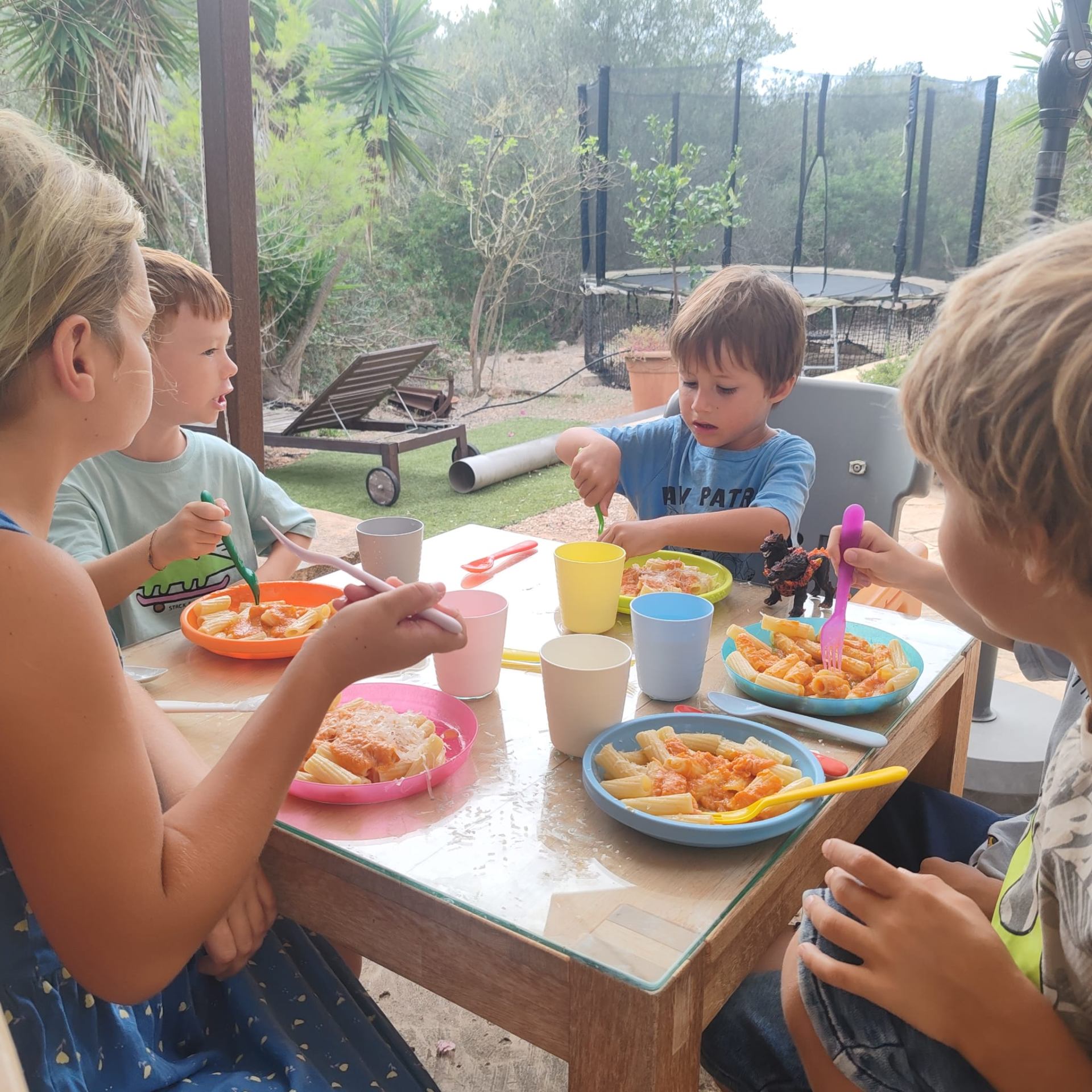
Homeschooling is an educational arrangement in which a child's learning is organized outside a traditional school. Families may follow a structured curriculum, use online programs, work with tutors, or combine different resources. The approach can offer flexibility in schedule and teaching methods. However, requirements differ by jurisdiction, so families should research applicable rules before making decisions.
What Is Worldschooling?
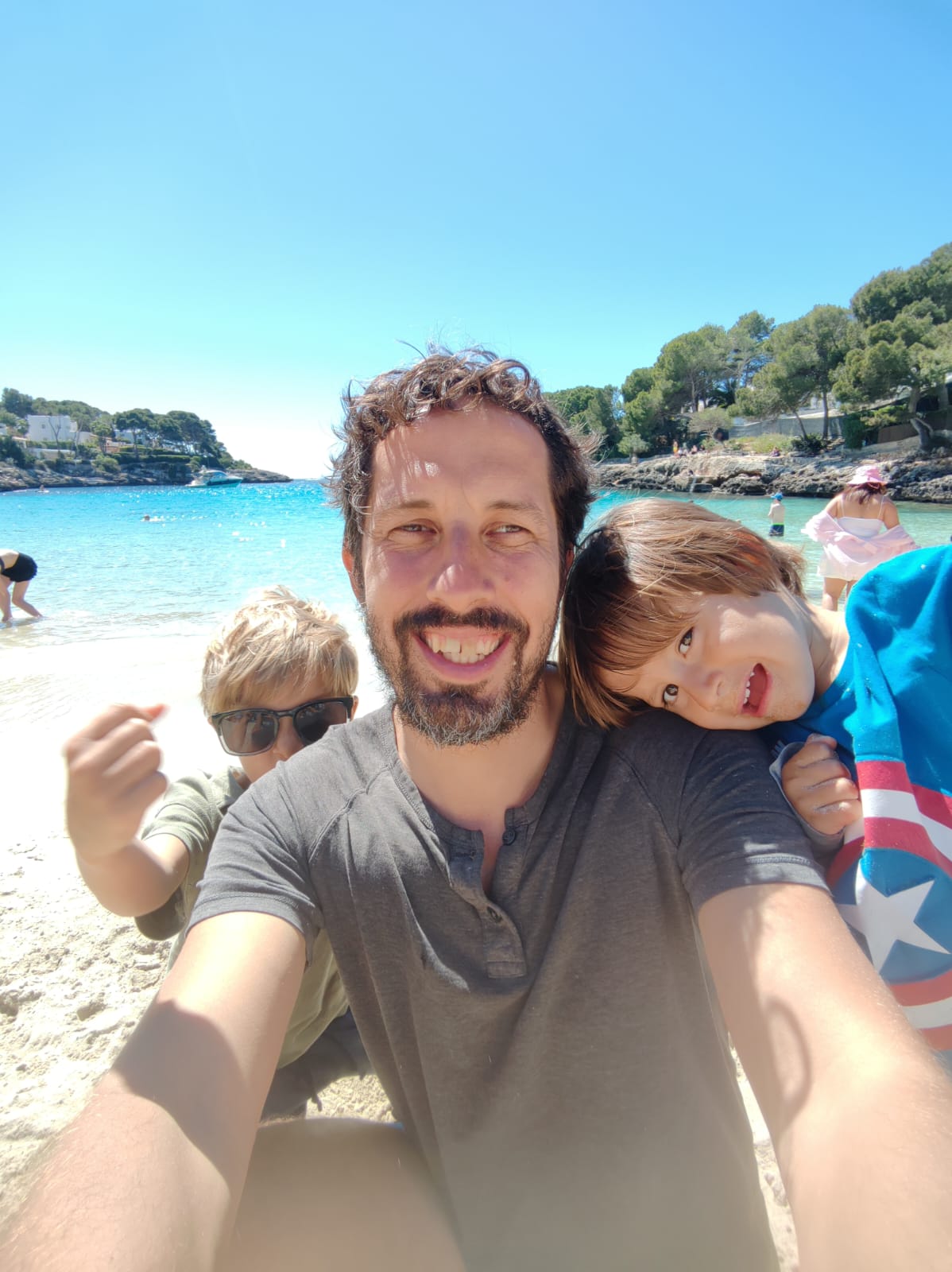
Worldschooling uses real-world experiences as a significant part of learning. Children might explore history at a historic site, learn about ecosystems in nature, practice languages in everyday situations, or investigate geography while moving between destinations. Worldschooling does not necessarily mean constant travel. Families can use local communities, museums, parks, cultural events, and everyday experiences as learning opportunities wherever they live.
Key Differences
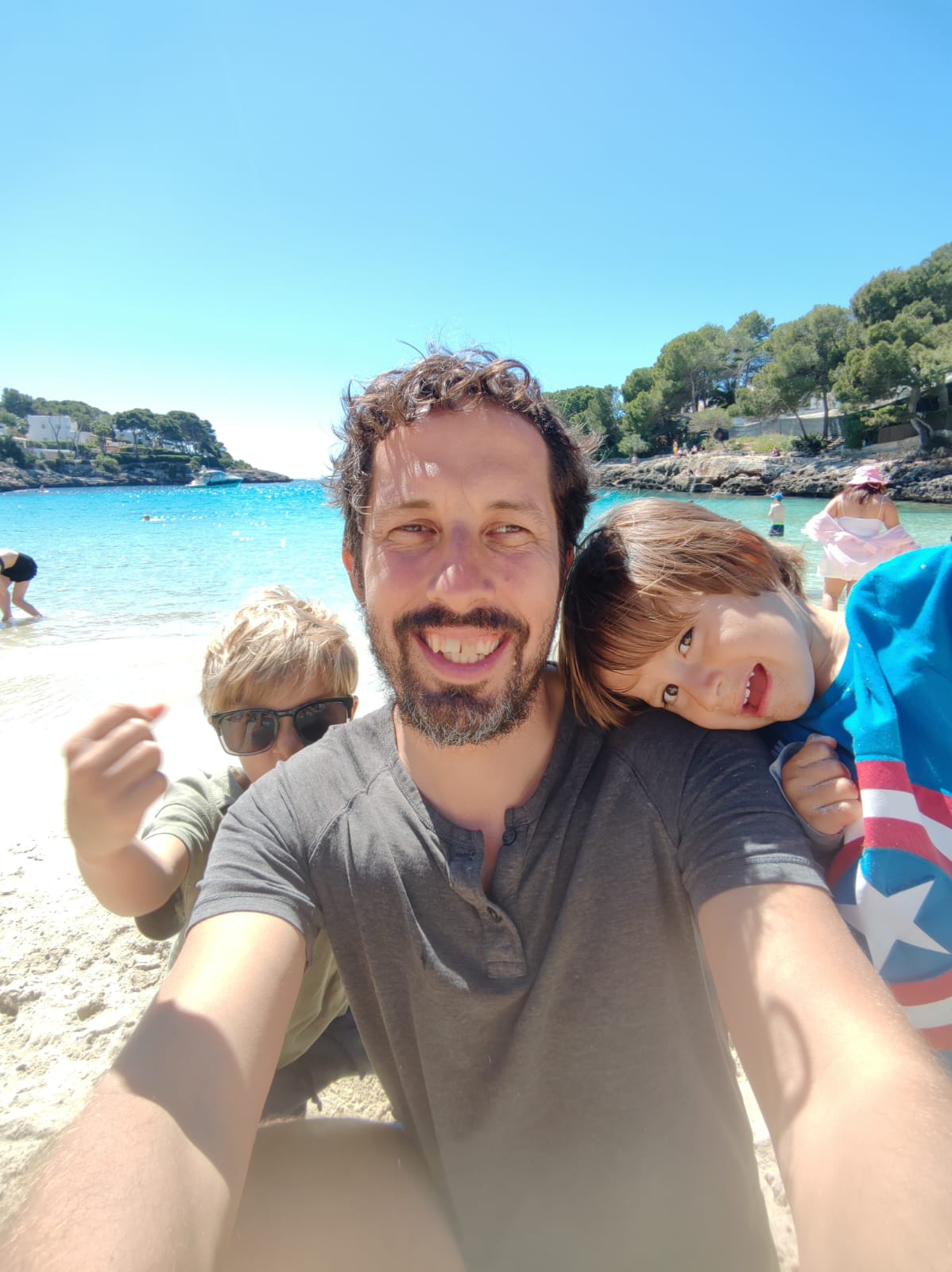
Focus: Homeschooling describes where or how education is organized; worldschooling emphasizes learning through the world and lived experience. Structure: Homeschooling may be highly structured or flexible. Worldschooling can also include structured lessons, but experiential learning often plays a central role. Location: Homeschooling does not require travel. Worldschooling may involve travel, but it can also happen at home or in a local community. Resources: Homeschooling often relies on curricula, books, tutors, or online programs. Worldschooling may additionally draw on museums, nature, cultural activities, local experts, and community experiences.
Can You Combine Worldschooling and Homeschooling?
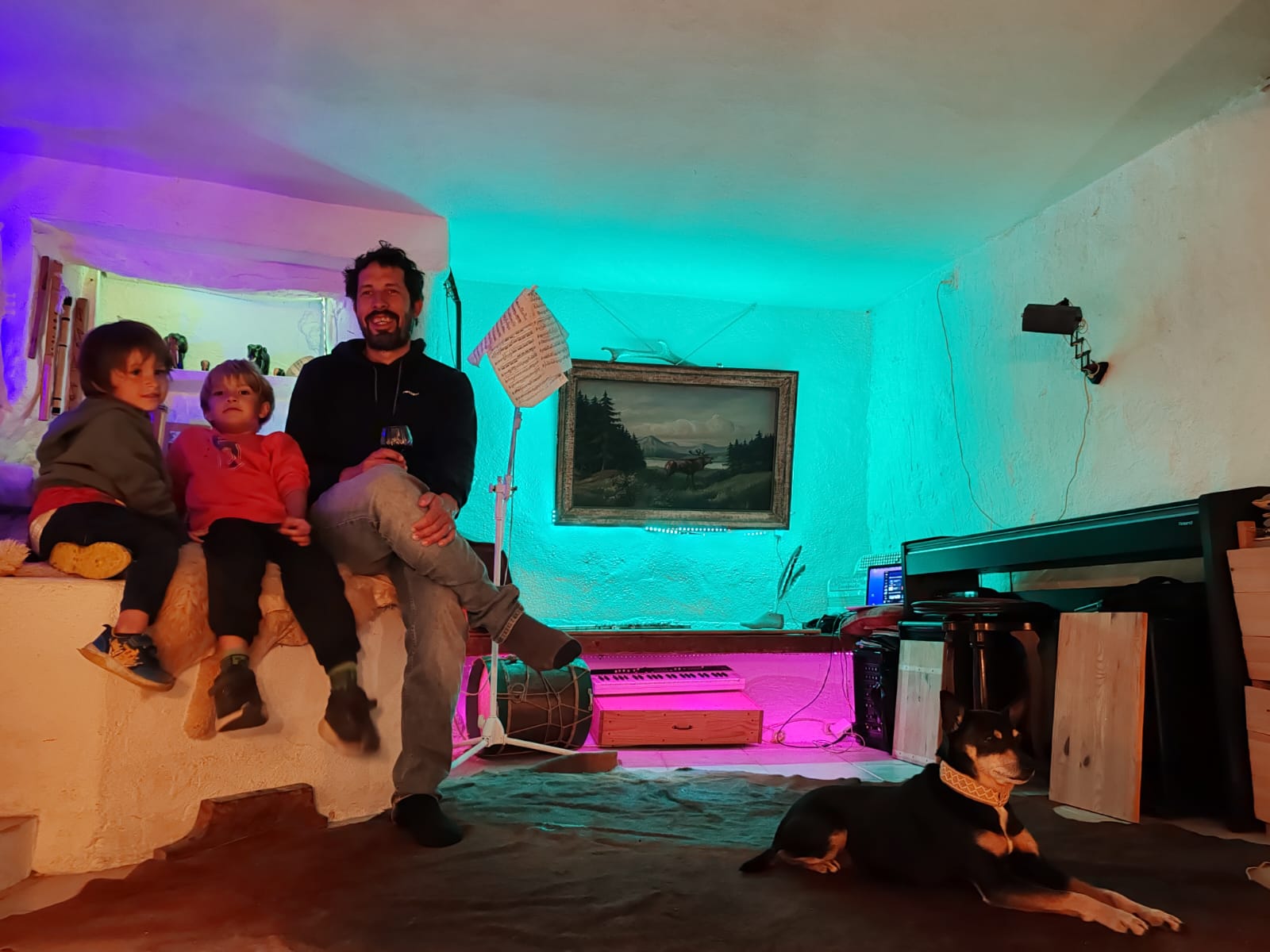
Yes. A family might use a formal curriculum for core subjects and complement it with travel-based projects, museum visits, language practice, and outdoor exploration. This combination can provide structure while encouraging curiosity. The right balance depends on the child's needs, educational goals, and the family's circumstances.
What About Socialization?
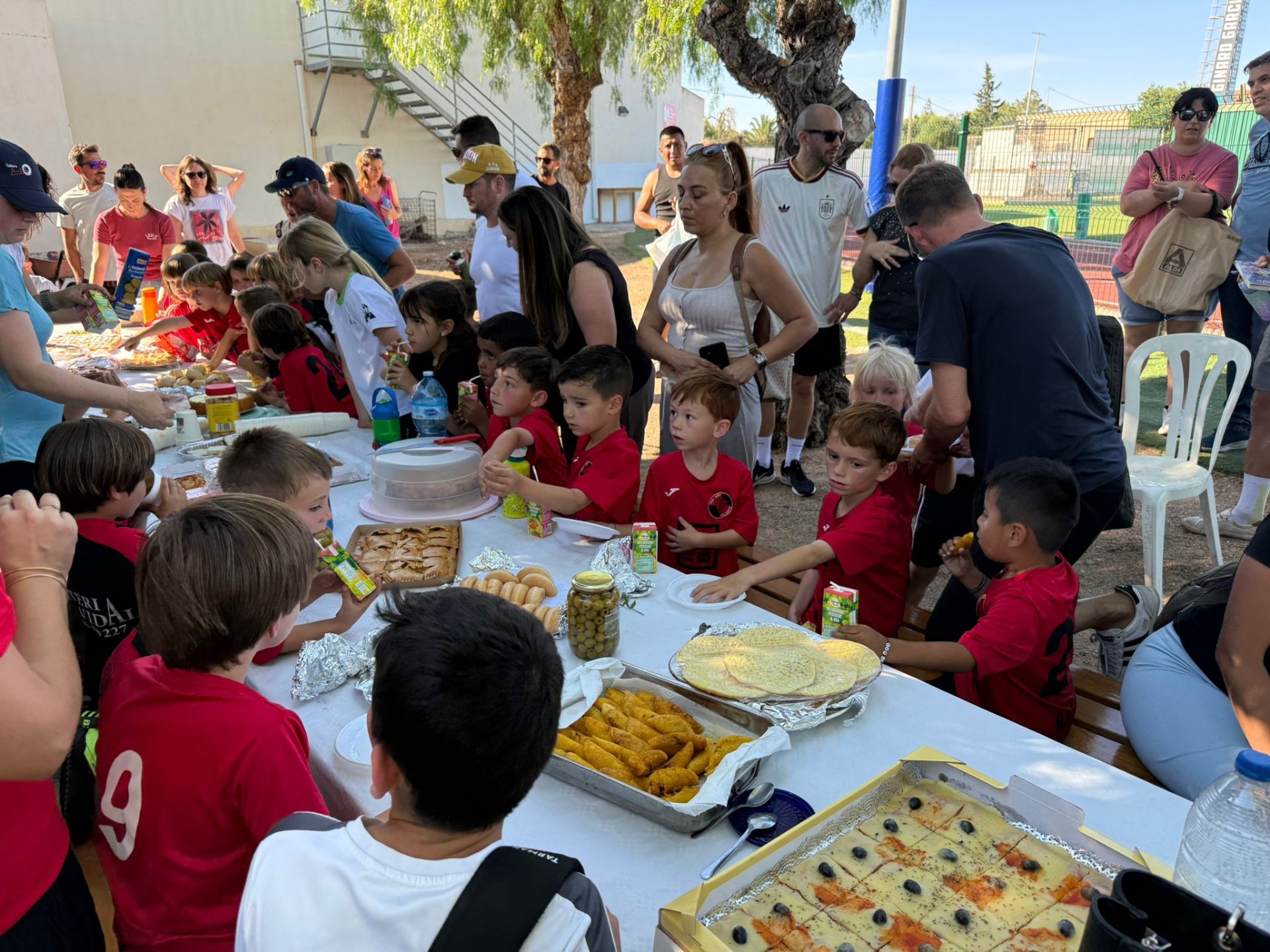
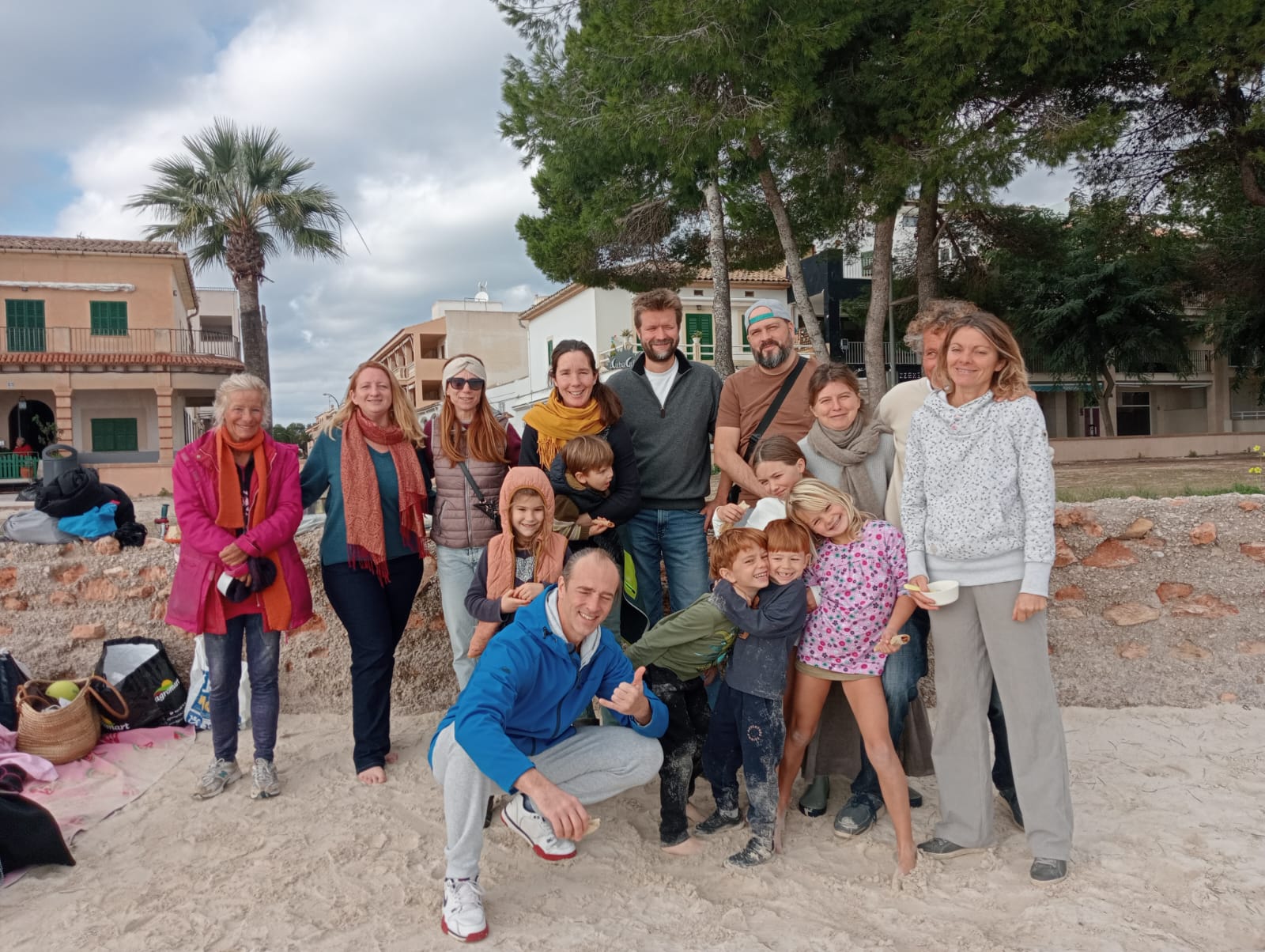
Both approaches require thought about children's social opportunities. Families can explore sports, clubs, workshops, local events, community groups, and activities with other children. Traveling families may also seek out other families following similar lifestyles. Families Planet aims to help traveling families discover potential connections and relevant places along their journeys.
What Should Families Consider Before Choosing?
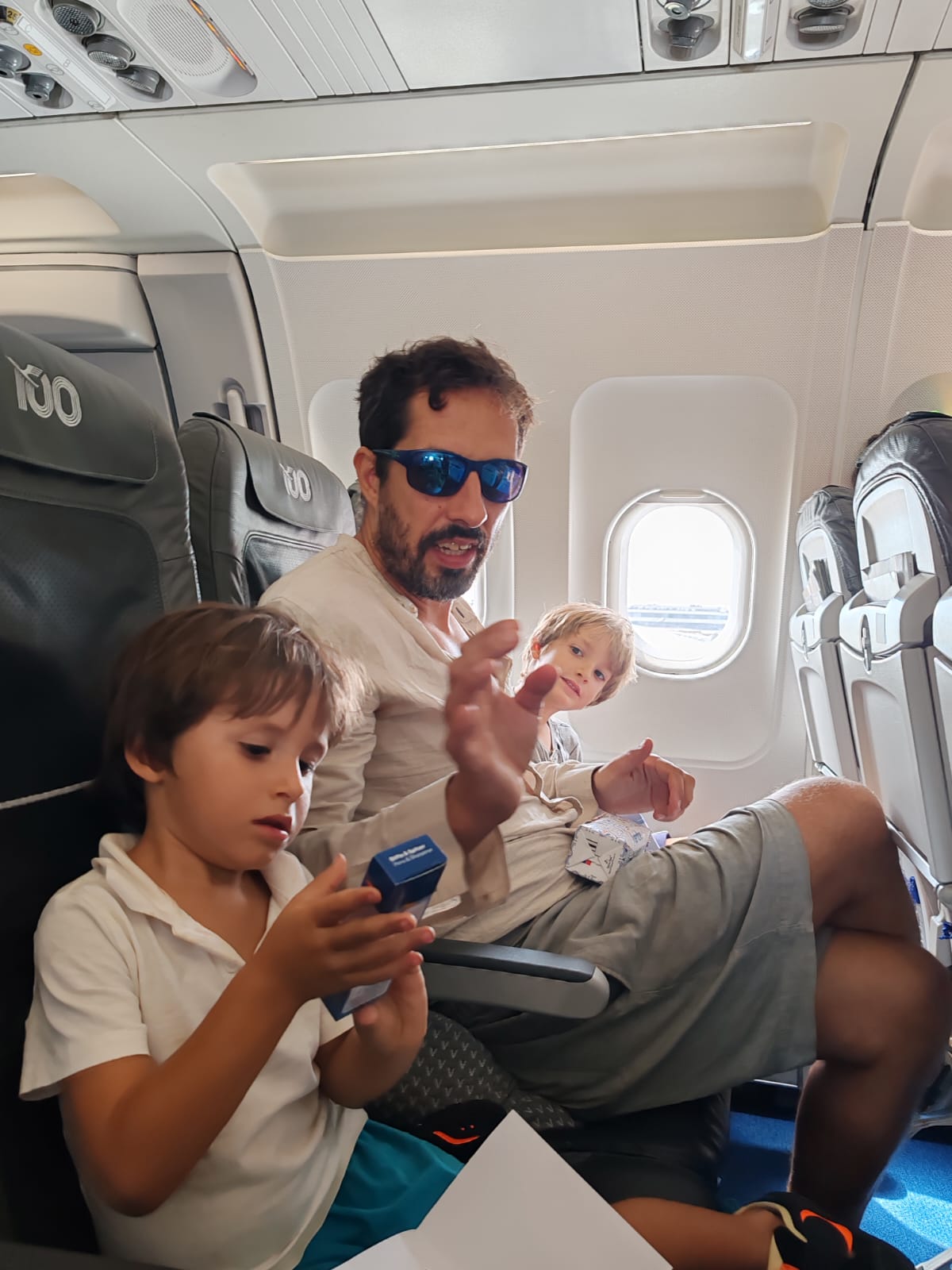
Research legal and educational requirements, think about your child's learning style, consider the time and resources available, and decide how progress will be supported. Travel-based experiences can enrich learning, but they should be part of a thoughtful plan rather than a substitute for understanding your responsibilities.
The Main Difference
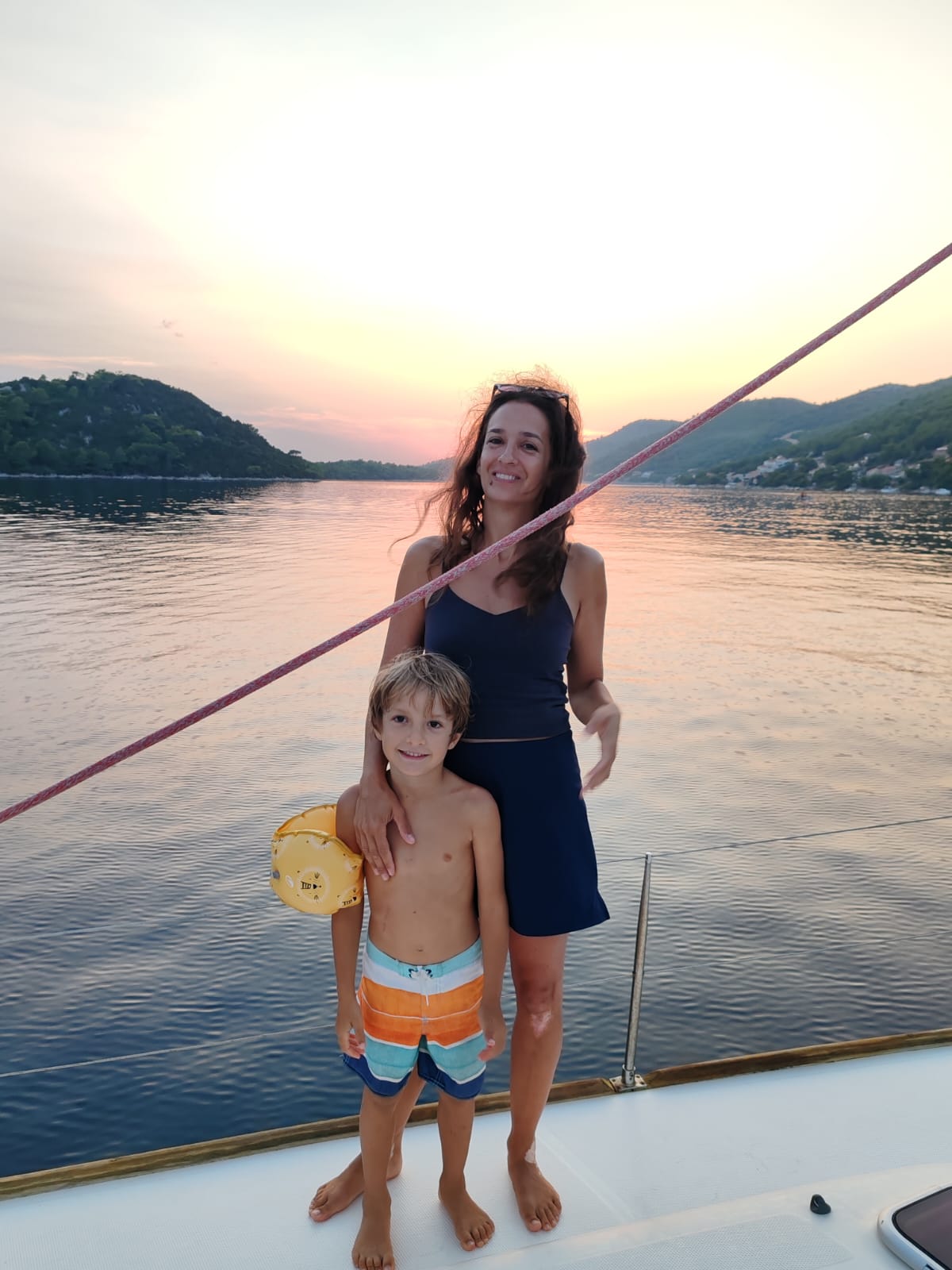
Homeschooling is an educational arrangement; worldschooling is a learning philosophy or approach that places real-world experience at the center. They can overlap, and many families combine them in ways that suit their children. Explore family-friendly places and discover potential connections with Families Planet.